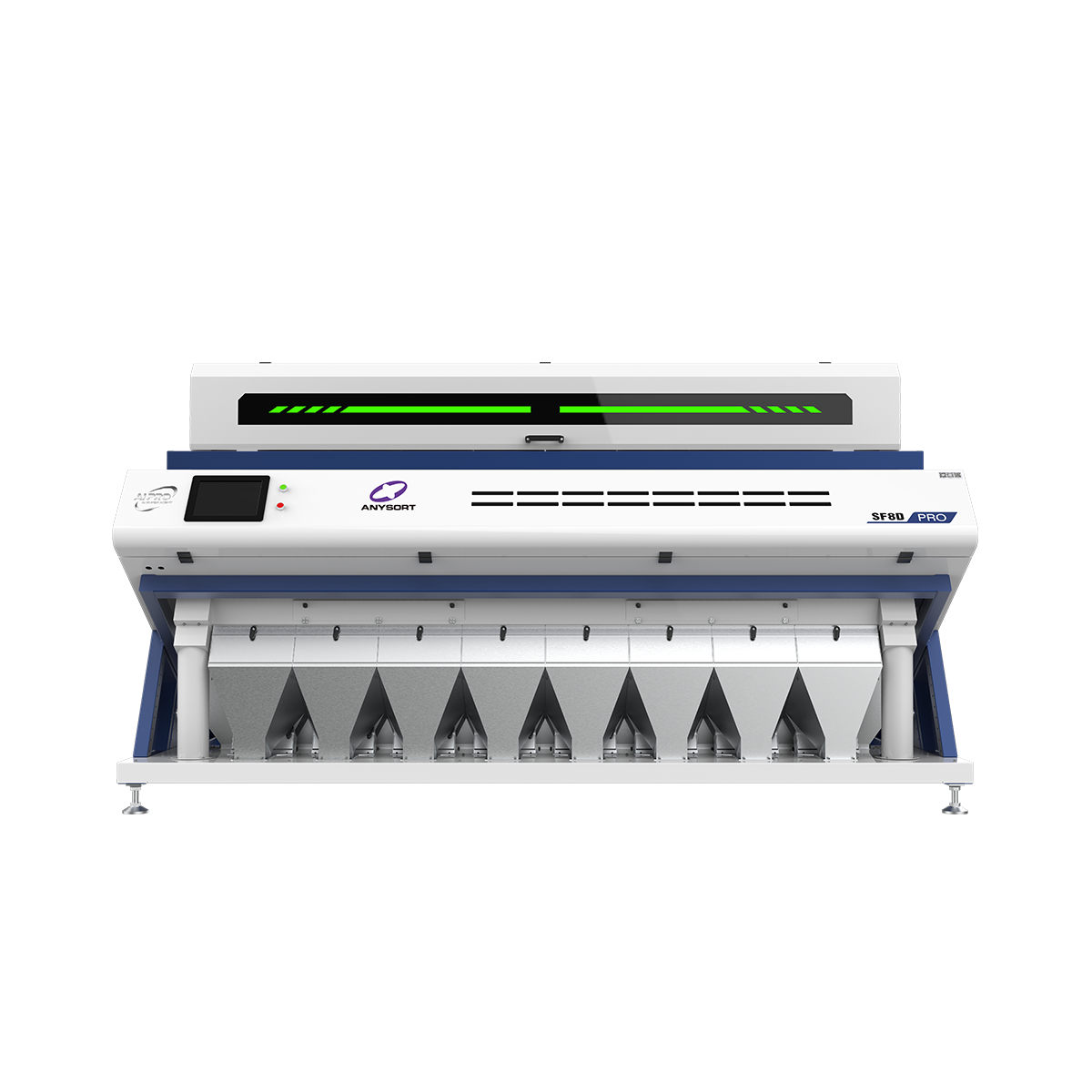
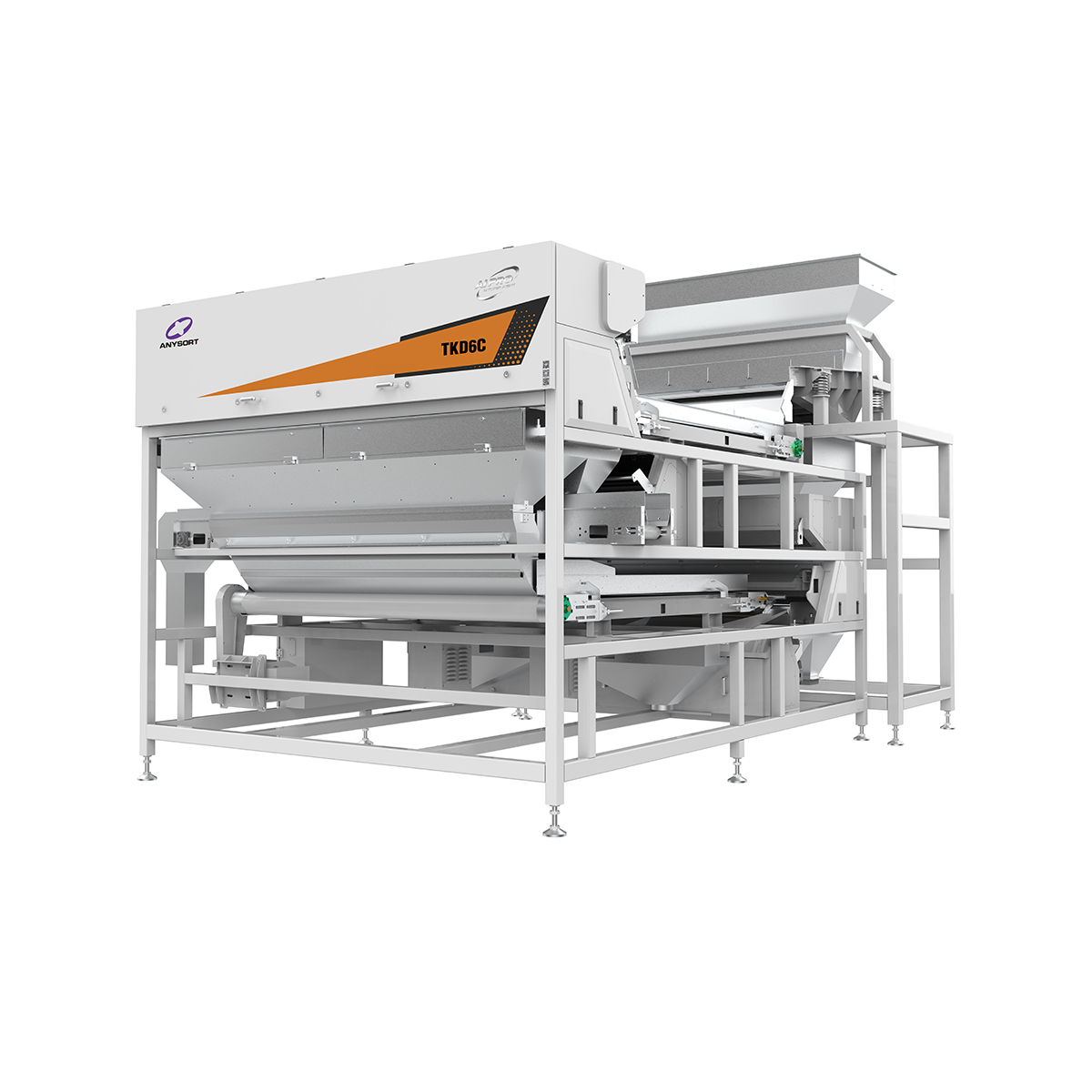
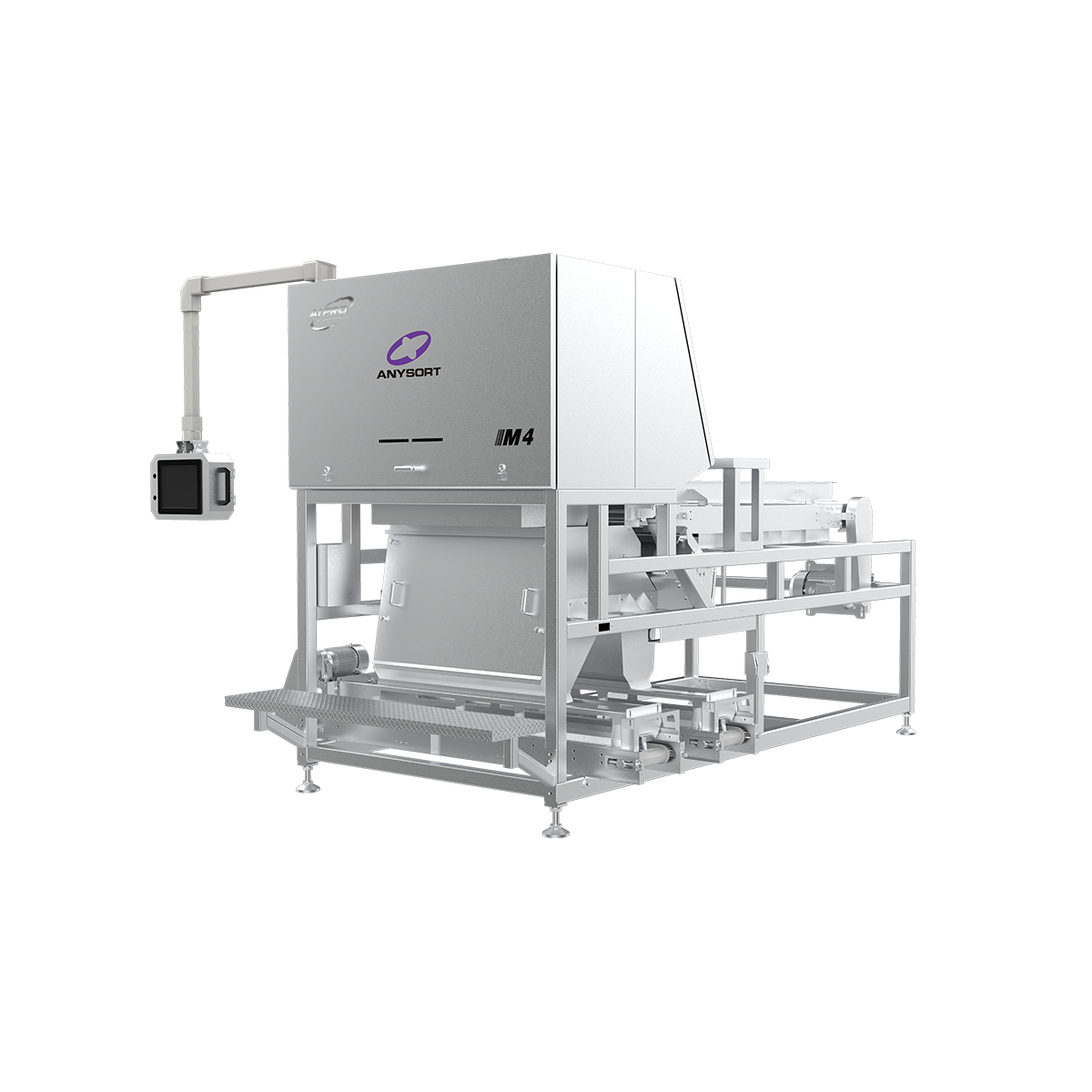
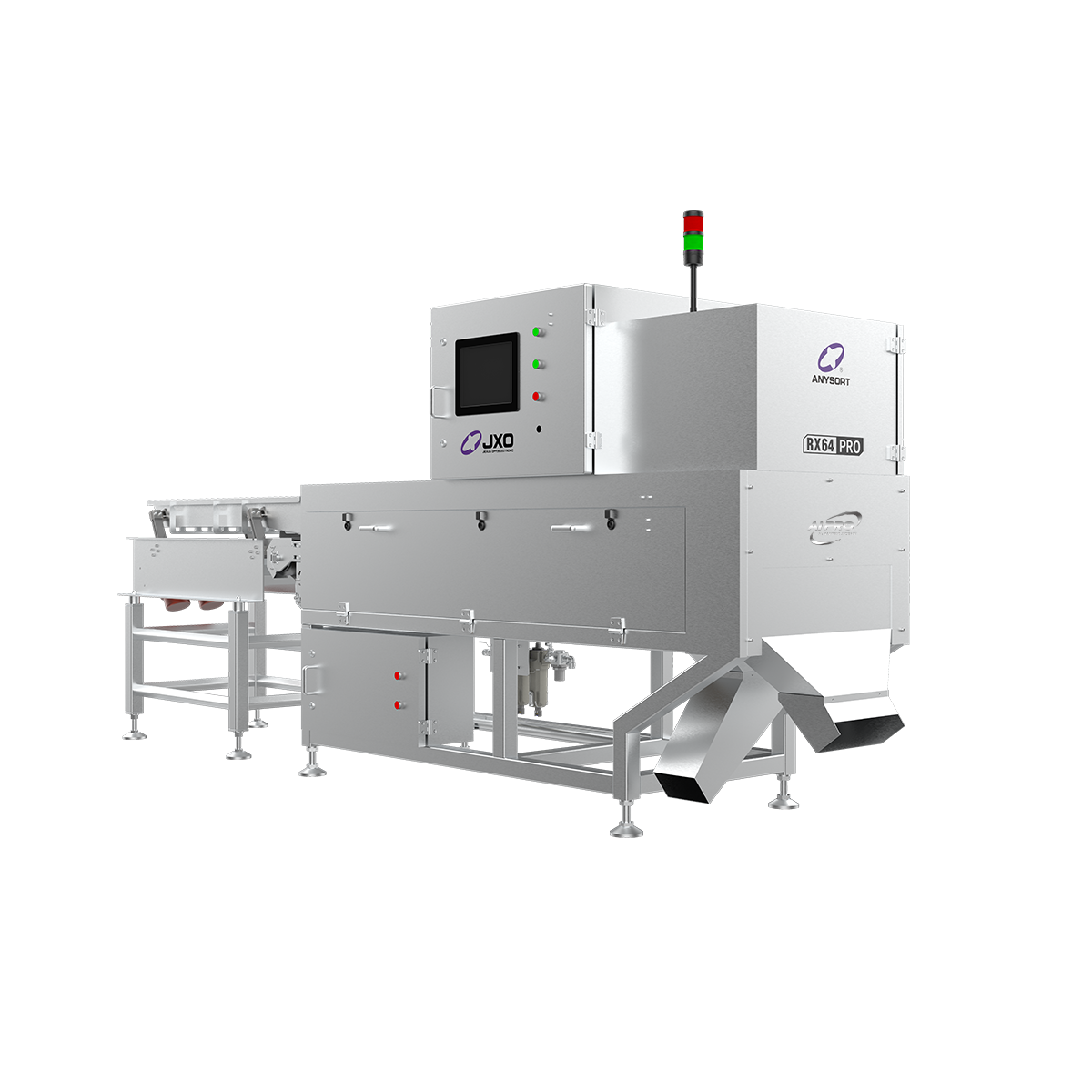
Optical Sorting Plastics | Advanced Recycling Solutions

All Categories

optical sorting plastics

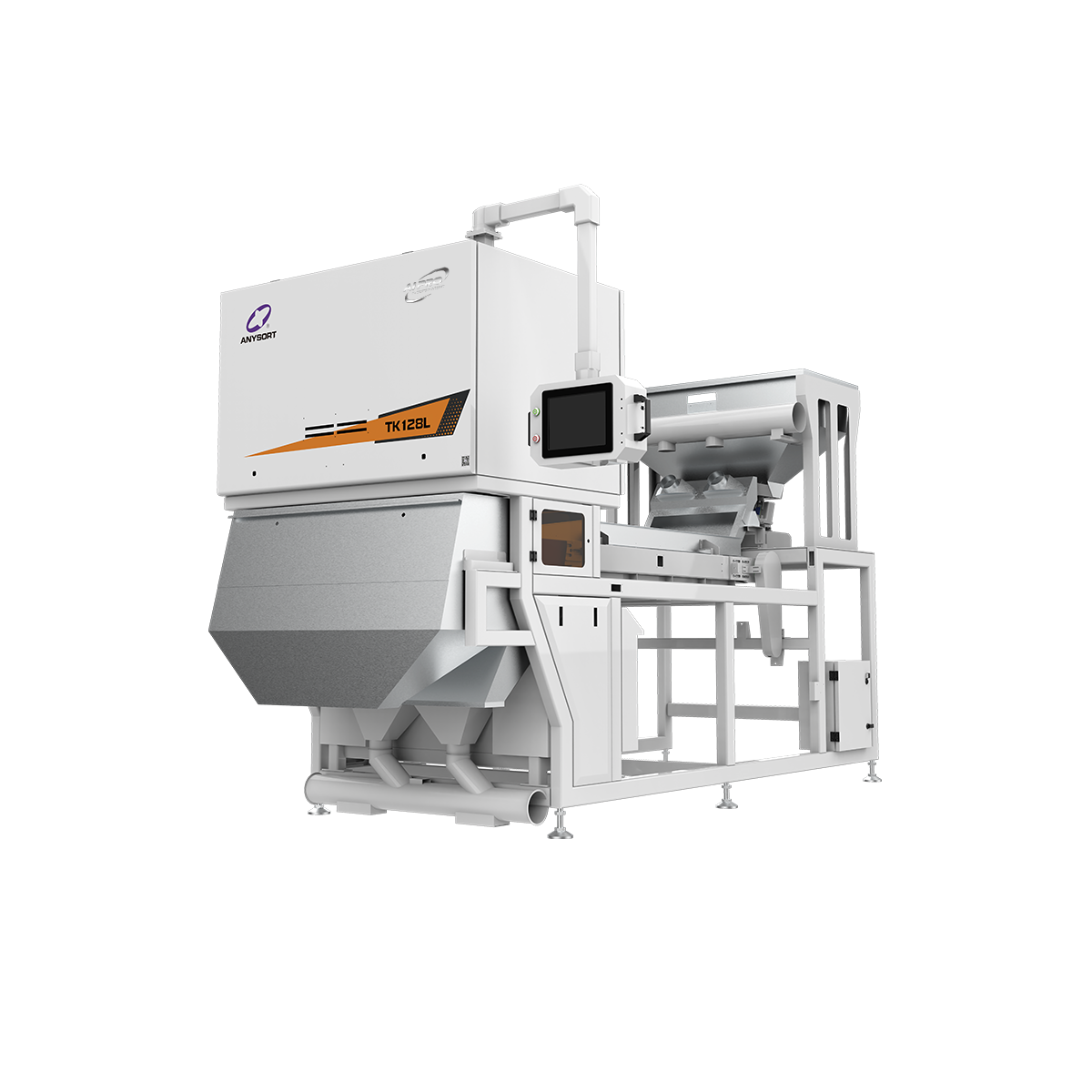
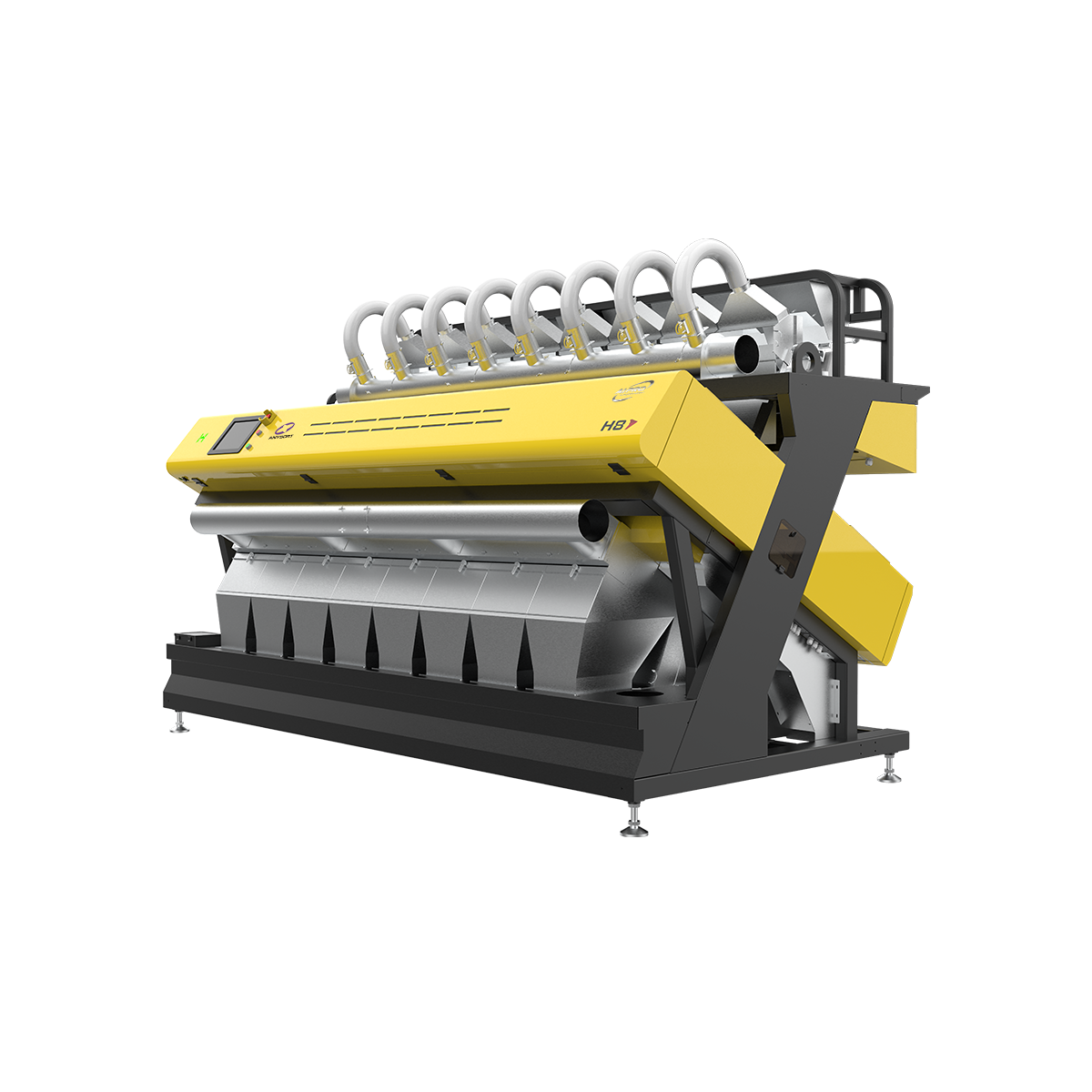
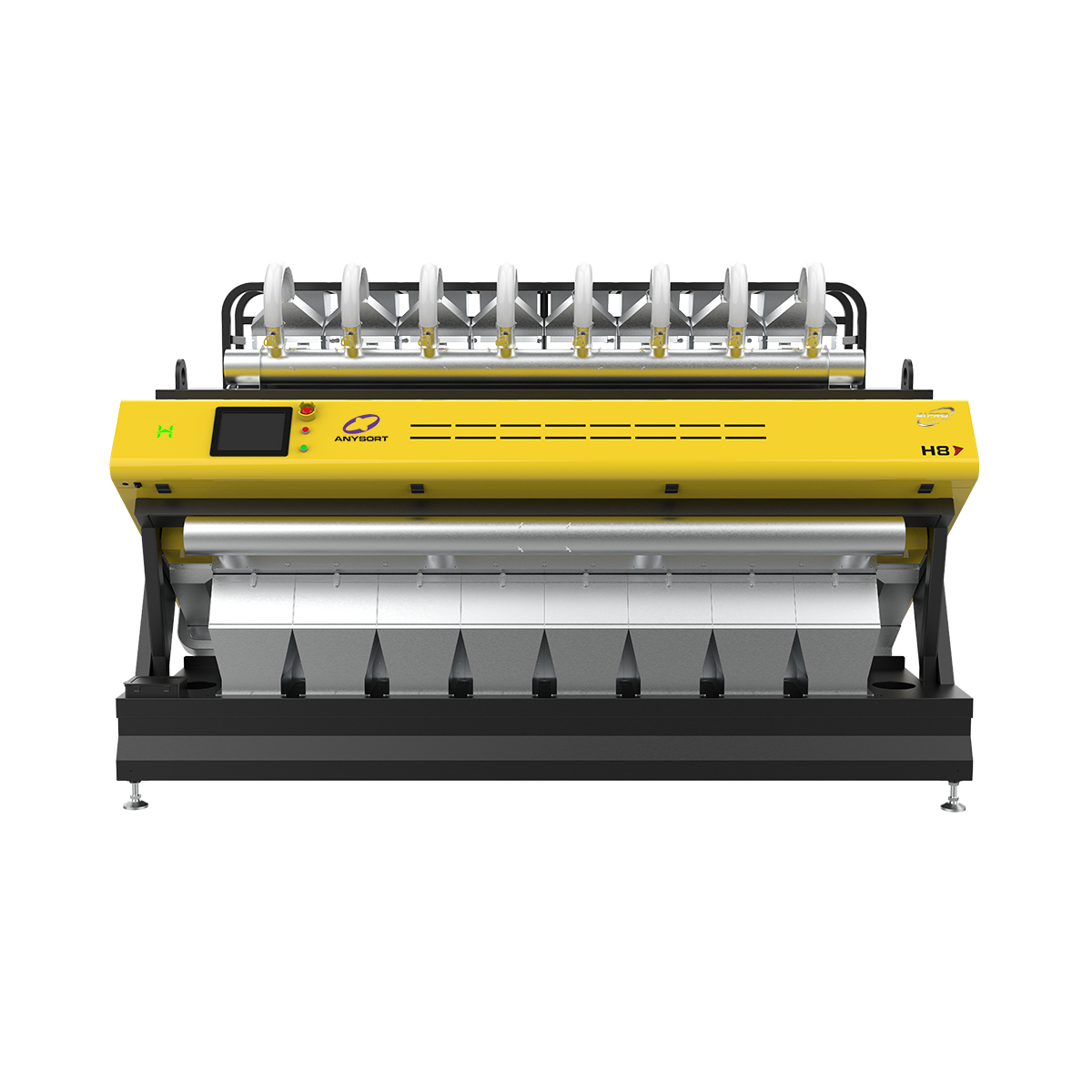
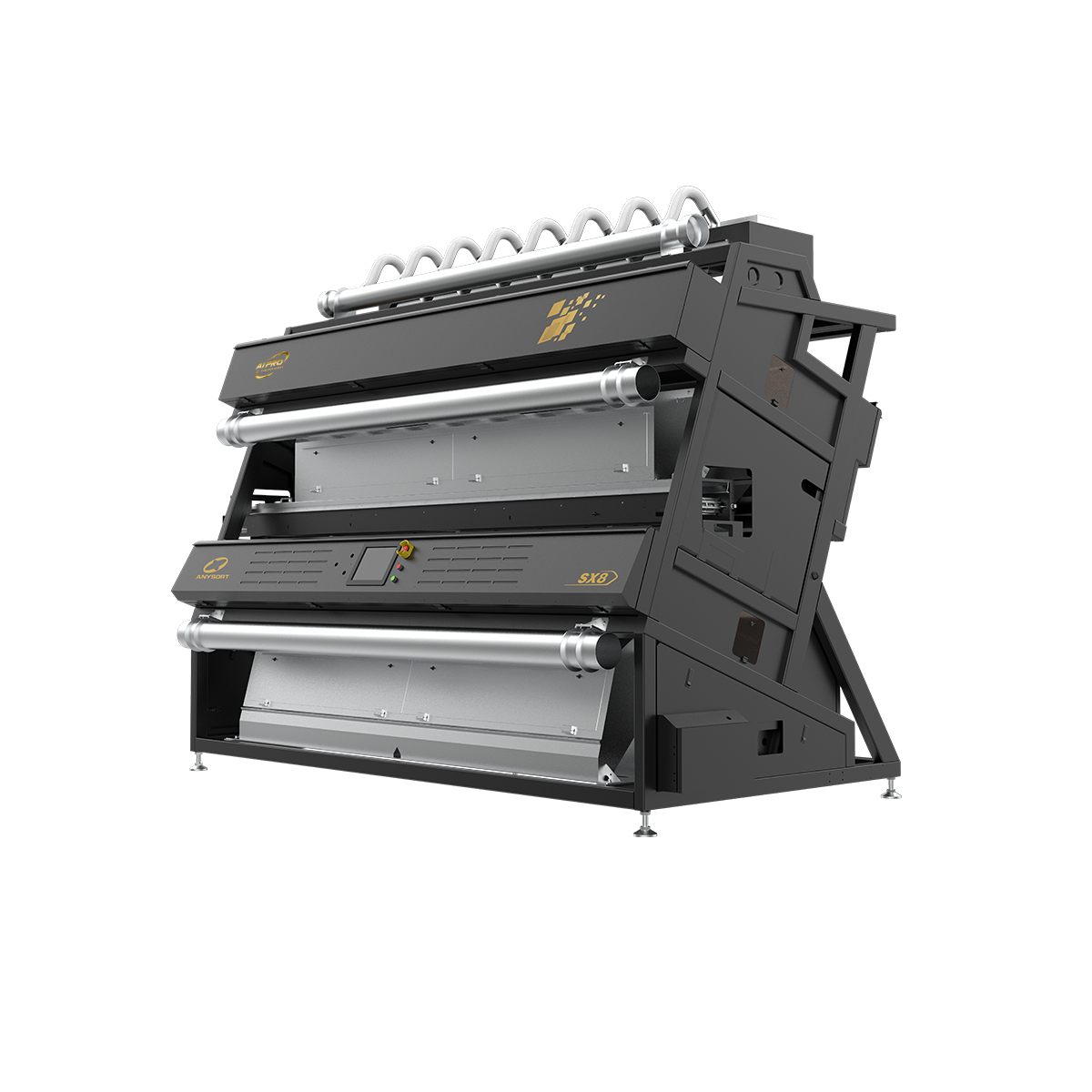
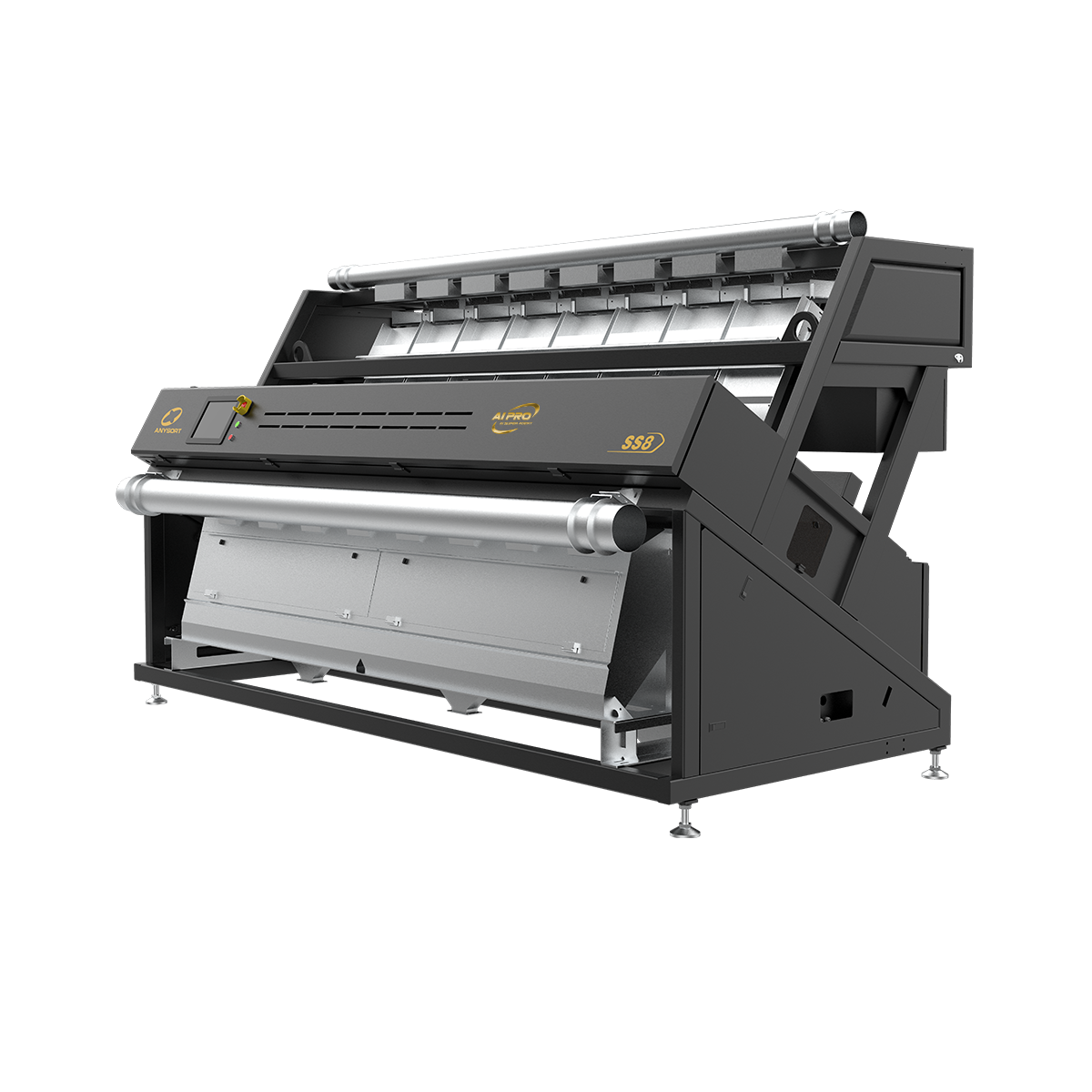
Optical sorting plastics represents an innovative technology designed to revolutionize waste management and material recovery processes. This advanced system uses sophisticated optical sensors and artificial intelligence to automatically identify, sort, and separate different types of plastic materials with remarkable precision. Optical sorting plastics operates by analyzing the spectral characteristics of plastic items, distinguishing between various polymers such as PET, HDPE, PVC, and LDPE in real-time. The primary function of optical sorting plastics is to streamline recycling operations by removing contaminated or unsuitable materials from processing streams. This technology features multiple high-resolution cameras, near-infrared sensors, and advanced imaging algorithms that work together seamlessly. When plastic materials pass through the system, optical sorting plastics evaluates each piece within milliseconds, making precise decisions about material classification. Key technological features include real-time processing capabilities, high-speed ejection systems, and adaptive learning algorithms that improve accuracy over time. Optical sorting plastics can process thousands of plastic items per minute, significantly exceeding manual sorting capabilities. The system integrates seamlessly with existing recycling infrastructure, requiring minimal modifications to current operations. Applications of optical sorting plastics span across multiple industries, including municipal waste management facilities, commercial recycling centers, and industrial plastic processing plants. The technology proves especially valuable in preparation stages for plastic-to-fuel conversion, bottle-to-bottle recycling programs, and manufacturing of recycled plastic products. Optical sorting plastics enhances material quality, reduces contamination rates, and maximizes the value of recovered plastic resources for secondary processing.

New Product Releases

Optical sorting plastics delivers substantial practical benefits that transform recycling operations and material recovery efficiency. The most significant advantage lies in contamination reduction. Optical sorting plastics automatically removes non-target materials, ensuring only suitable plastics enter downstream processing, which substantially improves final product quality and reduces equipment damage throughout the recycling chain. Operationally, optical sorting plastics dramatically increases processing speed compared to manual sorting methods. Facilities can handle significantly larger volumes of plastic materials daily, improving operational throughput and return on investment. This increased capacity allows recycling centers to accept more materials without expanding physical infrastructure, making expansion economically feasible for existing operations. Cost savings represent another compelling advantage of optical sorting plastics. By reducing labor requirements for material sorting, facilities decrease operational expenses while improving consistency and accuracy. The system operates continuously without fatigue, maintaining performance standards throughout full working shifts. Optical sorting plastics reduces waste in processing streams, meaning more materials successfully complete the recycling cycle instead of being discarded. Application suitability makes optical sorting plastics versatile across diverse scenarios. Whether processing mixed waste streams, preparing materials for specific manufacturing applications, or meeting strict quality requirements, optical sorting plastics adapts to various operational needs. The technology proves essential for facilities targeting premium recycled plastic grades, where contamination tolerance remains minimal. Decision-useful context shows that optical sorting plastics investment yields measurable returns through recovered material value increases. Higher-grade sorted plastics command premium market prices, directly improving facility profitability. Environmental benefits include maximizing material recovery rates and reducing landfill contributions, aligning operations with sustainability goals while generating revenue from recovered resources.

Latest News

How can rice color sorters improve grain quality?

08

Aug

How can rice color sorters improve grain quality?

Rice color sorters represent a transformative technology in modern grain processing, fundamentally changing how producers maintain and enhance the quality of their rice output. By utilizing advanced optical scanning and artificial intelligence, a ric...
View More
How Can a Nuts Sorter Improve Your Production?

15

Aug

How Can a Nuts Sorter Improve Your Production?

A nuts sorter represents one of the most significant investments a food processing operation can make to enhance production quality and operational efficiency. The modern nuts sorter uses advanced imaging and sensor technology to identify and separat...
View More
How Do Color Sorters Improve Product Quality?

26

Aug

How Do Color Sorters Improve Product Quality?

Product quality stands as a critical differentiator in competitive industrial markets, and achieving consistency at scale requires more than manual oversight. A color sorter represents one of the most effective technologies for identifying and removi...
View More
Top AI Color Sorter Manufacturers in China (2026)

30

Aug

Top AI Color Sorter Manufacturers in China (2026)

The global demand for precision sorting technology has surged dramatically, with color sorter machine manufacturers in China leading innovation across agricultural and industrial sectors. Chinese color sorter machine manufacturers have established th...
View More

Get a Free Quote

Our representative will contact you soon.
Required Product
Name
Email
WhatsApp
Message
0/1000

optical sorting plastics

Advanced Sensor Technology for Precision Sorting

Advanced Sensor Technology for Precision Sorting

Optical sorting plastics utilizes cutting-edge sensor technology featuring multiple detection methods working in perfect harmony. High-resolution cameras capture detailed images while near-infrared spectroscopy analyzes material composition at molecular levels. This multi-sensor approach ensures optical sorting plastics identifies even subtle differences between plastic types that visual inspection alone cannot detect. The system's sophisticated algorithms process vast datasets in real-time, making split-second classification decisions with exceptional accuracy rates exceeding industry standards. Optical sorting plastics maintains consistent performance across varying lighting conditions, material shapes, and contamination levels. The technology continuously adapts through machine learning, improving recognition accuracy as it processes more materials. This precision eliminates guess-work from material sorting, ensuring contaminated batches never reach manufacturing processes. Facilities using optical sorting plastics report dramatic improvements in sorted material purity and reduced downstream processing complications.
High-Speed Processing Capacity for Maximum Throughput

High-Speed Processing Capacity for Maximum Throughput

Optical sorting plastics transforms operational capacity by processing thousands of plastic items per minute, substantially exceeding manual sorting limitations. This impressive speed doesn't compromise accuracy, as advanced recognition systems evaluate each piece thoroughly while maintaining rapid throughput. The technology enables smaller facilities to handle material volumes previously requiring significantly larger operations. Optical sorting plastics integration with conveyor systems creates seamless workflows where materials flow continuously without bottlenecks or processing delays. Facilities maximize equipment utilization and worker productivity, as staff redirect efforts toward system monitoring and maintenance rather than repetitive sorting tasks. The high-speed capability of optical sorting plastics means recycling centers can accept materials from larger geographic areas, expanding market reach without proportional expense increases. Processing efficiency improvements directly translate to reduced per-unit material handling costs, improving overall facility economics significantly.
Automated Quality Control and Contamination Reduction

Automated Quality Control and Contamination Reduction

Optical sorting plastics delivers superior contamination control through fully automated quality assurance processes operating continuously throughout material streams. The system automatically rejects unsuitable materials, paper, metals, and other contaminants before they enter processing lines. This automated rejection capability protects downstream equipment from damage while preventing contaminated batches from reaching manufacturing partners. Optical sorting plastics maintains consistent sorting standards regardless of operator experience or attention levels, eliminating human error from critical quality decisions. The technology provides detailed reporting on sorted material composition, rejected contamination types, and system performance metrics. Facilities gain complete transparency into material streams and can optimize processes based on data insights. Higher material purity achieved through optical sorting plastics means recyclers can confidently supply premium-grade recovered plastics commanding better market prices. This quality assurance advantage creates competitive differentiation and strengthens customer relationships through reliable, consistent supply of clean, properly sorted plastic materials.

Get a Free Quote

Our representative will contact you soon.
Required Product
Name
Email
WhatsApp
Message
0/1000

Copyright © 2026 Anhui Jiexun Optoelectronic Technology Co., Ltd. All rights reserved.  -  Privacy policy