
 EN
EN

Rice color sorters represent a transformative technology in modern grain processing, fundamentally changing how producers maintain and enhance the quality of their rice output. By utilizing advanced optical scanning and artificial intelligence, a rice color sorter can identify and separate damaged grains, discolored particles, and foreign materials with unprecedented precision. This capability directly translates to improved overall grain quality, higher market value, and stronger customer satisfaction across both domestic and international markets.
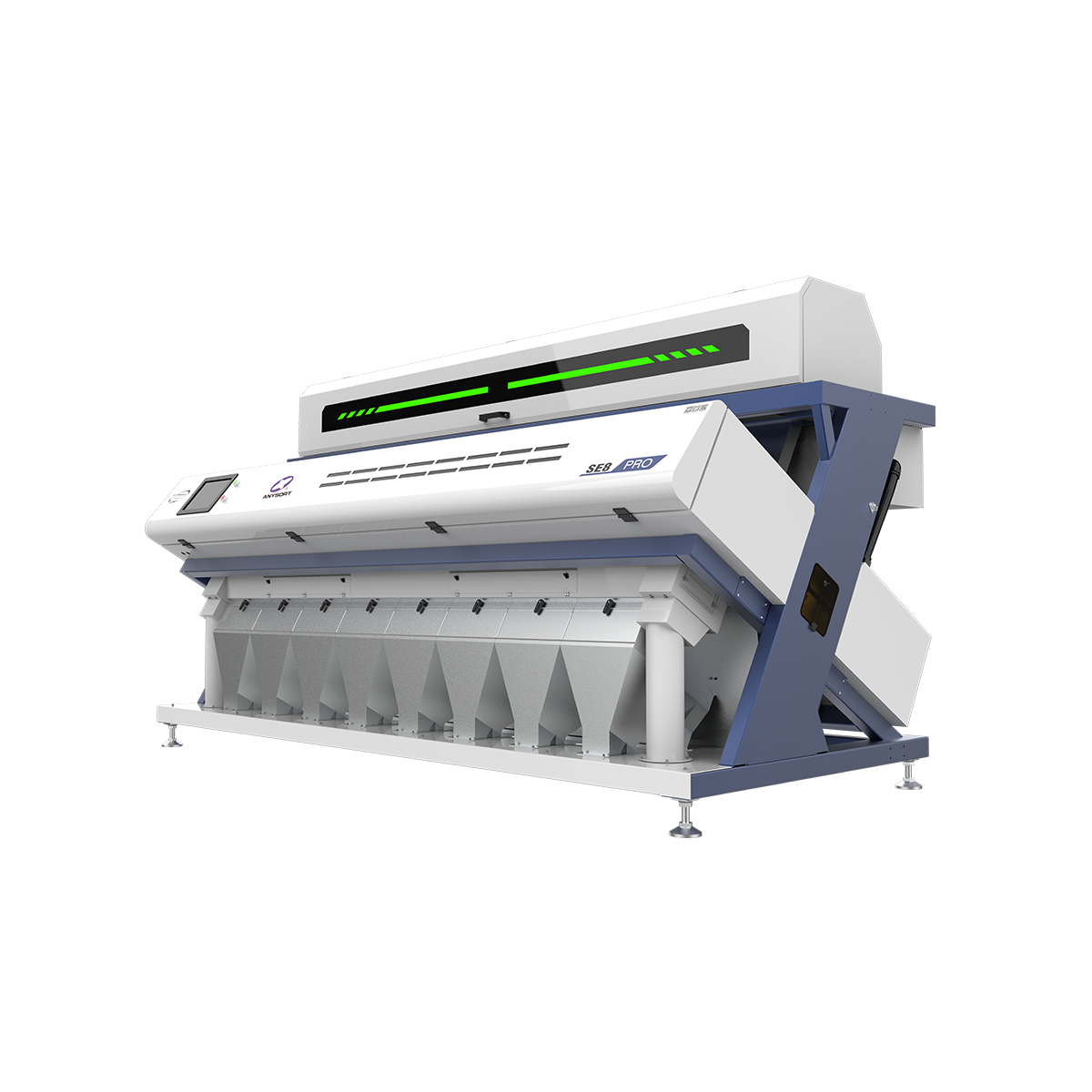
In today's competitive agricultural landscape, consumers expect consistent quality, purity, and visual appeal in their rice products. A rice color sorter addresses this expectation by removing imperfections that would otherwise damage brand reputation and reduce profitability. Understanding how this technology operates and the tangible benefits it delivers is essential for grain processors seeking competitive advantage and operational excellence.
Understanding Rice Color Sorter Technology and Operation
How Rice Color Sorters Function
A rice color sorter works by passing grain through a precision optical inspection system where high-resolution cameras and spectral sensors analyze each individual grain in real time. The system captures color data, texture information, and physical characteristics, comparing them against pre-programmed quality standards stored in the machine's database. When a grain fails to meet acceptance criteria, pneumatic ejectors instantly remove it from the output stream with pinpoint accuracy. This rice color sorter technology operates at speeds exceeding 1,000 grains per second, making it practical for large-scale commercial operations.
Detection Capabilities of Rice Color Sorters
Modern rice color sorter systems can identify a wide range of defects and unwanted materials. These include discolored or yellowed grains, red rice contamination, partially broken or chalk-white kernels, insect-damaged grains, and foreign materials such as stones, glass, or plastic. Some advanced rice color sorter models incorporate infrared and multispectral imaging to detect defects invisible to standard cameras, significantly expanding their effectiveness. This comprehensive detection ability ensures that only premium-quality grains reach the final product.
Quality Improvements Delivered by Rice Color Sorters
Enhanced Visual Quality and Market Appeal
Consumer purchasing decisions are heavily influenced by visual appearance, making aesthetic quality a critical factor in rice products. A rice color sorter removes all visibly discolored or damaged grains, resulting in a final product that appears uniform, clean, and visually appealing. This visual consistency strengthens brand perception and justifies premium pricing. For exporters, this rice color sorter application is particularly valuable, as international markets often impose strict appearance standards that directly impact export competitiveness.
Nutritional and Food Safety Standards
Beyond aesthetic quality, a rice color sorter protects food safety by eliminating grains contaminated with mold, fungi, or mycotoxins that could pose health risks. By removing damaged kernels before they enter the supply chain, the rice color sorter reduces the likelihood of contamination spreading to bulk grain stores. Additionally, the removal of defective grains helps maintain nutritional consistency across batches, since damaged or diseased grains often contain compromised nutrient profiles. This capability is critical for meeting international food safety certifications and regulatory compliance.
Operational Efficiency and Cost Reduction
Implementing a rice color sorter reduces waste and maximizes yield per ton of raw grain processed. Rather than discarding entire batches or performing labor-intensive manual sorting, operators can process grain continuously with minimal human intervention. The rice color sorter's automated precision also reduces sorting variability, ensuring consistent output quality across all production runs. Over time, this consistency translates to lower rejection rates from buyers, fewer customer complaints, and reduced costs associated with quality disputes or product recalls.
Strategic Applications and Business Impact of Rice Color Sorters
Industry Applications and Market Segments
Rice color sorter technology serves diverse market segments, from small regional mills to large-scale international grain traders. Organic and premium rice producers particularly benefit from the rice color sorter, as their target markets demand superior quality and purity. Specialty rice varieties, including aromatic, long-grain, and jasmine rice, require especially rigorous sorting to command high market prices. A rice color sorter enables these producers to meet demanding quality specifications while scaling production efficiently.
Return on Investment and Long-Term Value
While the capital investment in a rice color sorter may initially appear substantial, the financial returns materialize quickly through multiple channels. Reduced waste means more marketable grain per ton of input. Higher product quality permits premium pricing, directly increasing revenue per unit sold. A rice color sorter also reduces labor costs by automating sorting tasks that would otherwise require significant manual effort. Additionally, the rice color sorter helps avoid costly product recalls and reputational damage from quality failures, making it a sound long-term investment for any serious grain processor.
Competitive Differentiation Through Quality Excellence
In an increasingly globalized market, quality consistency differentiates successful grain producers from competitors. Buyers increasingly demand certifications and quality assurances, and a rice color sorter provides the technological foundation for meeting these demands reliably. By implementing this technology, producers signal commitment to quality, gain customer loyalty, and establish themselves as premium suppliers. The rice color sorter thus becomes a strategic asset that supports business growth and market expansion beyond basic operational efficiency.
FAQ
What specific defects can a rice color sorter detect and remove?
A rice color sorter can identify and remove discolored grains, red rice contamination, broken or chalk-white kernels, insect-damaged grains, moldy or diseased grains, and foreign materials such as stones, glass, plastic, and metal particles. Advanced rice color sorter models with infrared and multispectral sensors can also detect defects not visible under standard lighting, including hidden mold and toxin contamination. This comprehensive detection capability makes the rice color sorter invaluable for maintaining strict quality standards.
How fast does a rice color sorter process grain?
Modern rice color sorter systems can process grain at speeds exceeding 1,000 individual grains per second, depending on the model and sorting complexity. This high throughput allows rice color sorter equipment to handle large commercial volumes without creating production bottlenecks. The speed of a rice color sorter makes it practical for continuous mill operations and large-scale grain trading facilities serving regional and national markets.
What is the typical payback period for a rice color sorter investment?
The payback period for a rice color sorter typically ranges from 1 to 3 years, depending on production volume, current waste levels, and the premium pricing achievable through improved quality. High-volume operations with significant current quality issues often see payback within 12 to 18 months. A rice color sorter investment becomes even more attractive when factoring in reduced labor costs, lower rejection rates, and improved customer retention over the equipment's 5 to 10 year operational lifetime.