
 EN
EN
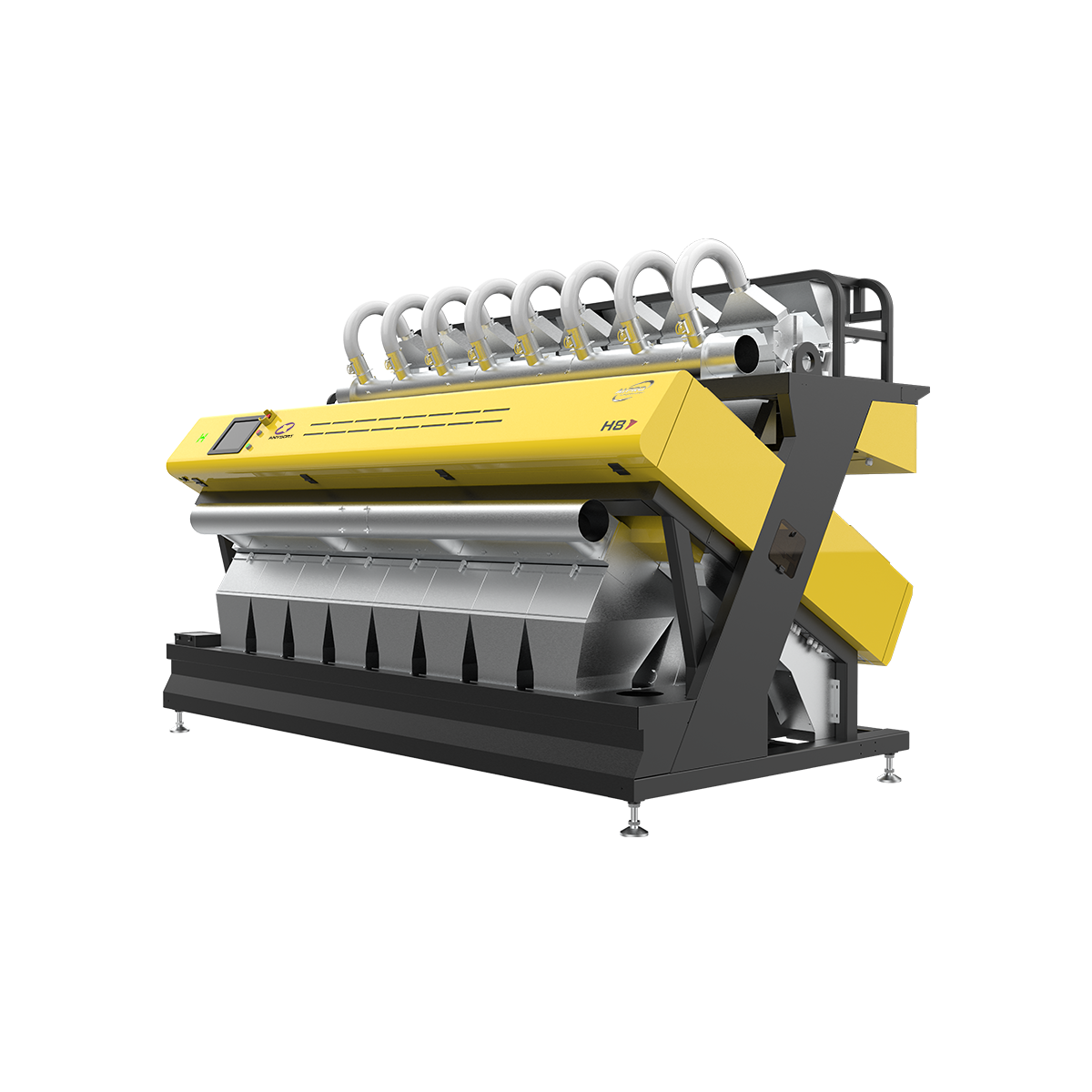
Product quality stands as a critical differentiator in competitive industrial markets, and achieving consistency at scale requires more than manual oversight. A color sorter represents one of the most effective technologies for identifying and removing defects before products reach customers. By using advanced optical detection and automated removal mechanisms, a color sorter eliminates discolored particles, foreign materials, and substandard items with precision that manual inspection cannot match. This capability directly translates to higher customer satisfaction, reduced waste, and stronger brand reputation across food processing, grain handling, recycling, and pharmaceutical sectors.
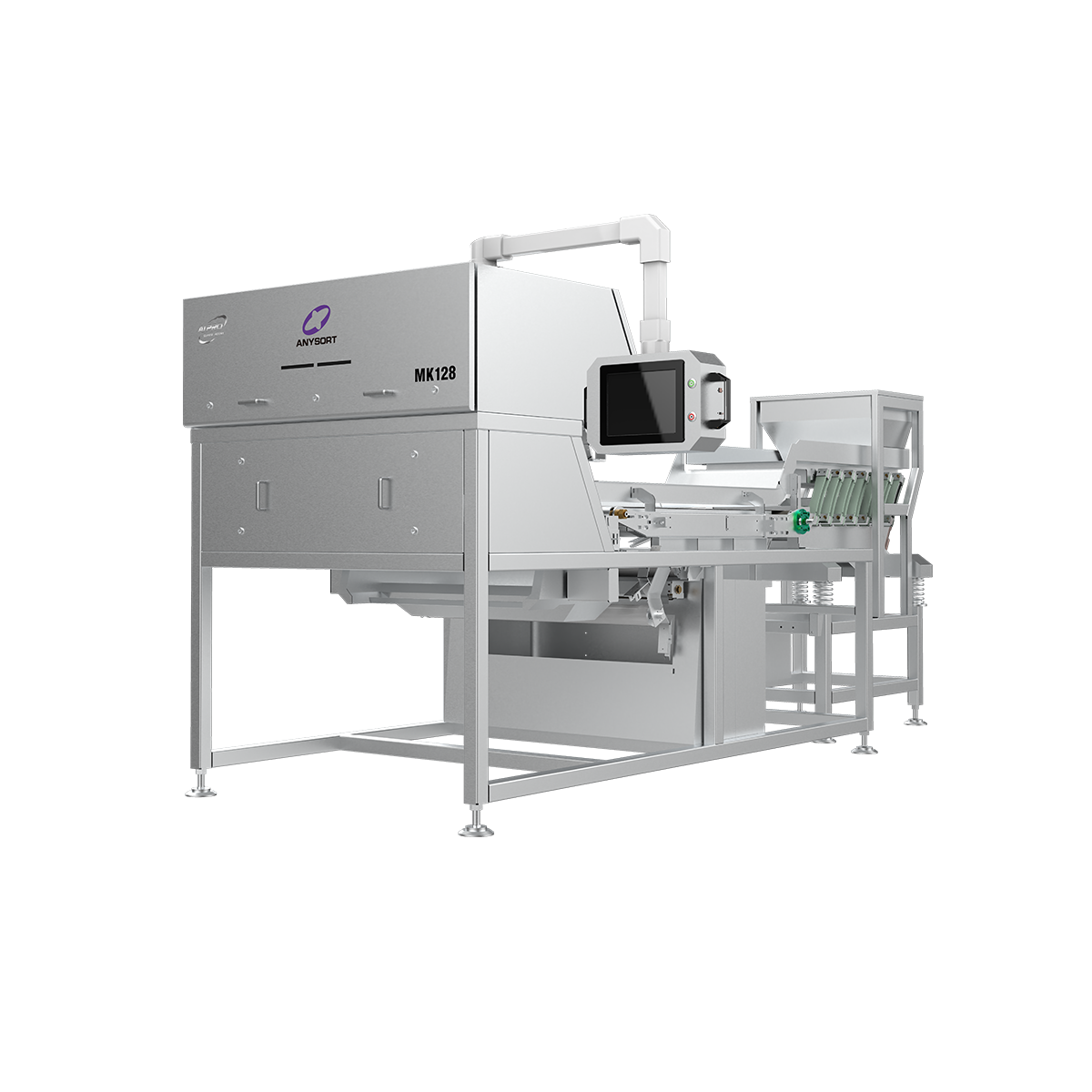
Understanding how a color sorter improves product quality requires insight into the detection mechanisms, sorting logic, and real-world impact on output consistency. Modern color sorter systems combine multispectral imaging, artificial intelligence, and high-speed pneumatic ejection to make thousands of quality decisions per second. The result is measurable improvement in product uniformity, compliance with strict regulatory standards, and reduced risk of contaminated batches reaching market. Organizations that implement color sorter technology experience both immediate quality gains and long-term operational resilience.
Advanced Optical Detection and Defect Identification
How Multispectral Imaging Detects Quality Variations
A color sorter operates by scanning each individual particle or item under controlled lighting conditions using high-resolution cameras and multispectral sensors. These sensors capture data across multiple wavelength ranges, far beyond what the human eye can perceive, allowing a color sorter to distinguish subtle color variations that indicate ripeness, mold, insect damage, or chemical contamination. The imaging system in a color sorter creates a detailed color profile for every object within milliseconds, enabling immediate comparison against preset quality parameters. This level of precision means a color sorter can catch defects that would slip past manual inspection lines, including internal discoloration and early-stage decay that affects product shelf life and safety.
Real-Time Processing and Automated Decision Making
Once a color sorter captures image data, sophisticated algorithms process that information in real time, comparing each item against customizable quality thresholds. A color sorter uses machine learning and cloud-based analytics to continuously refine its detection accuracy, adapting to seasonal variations and batch-specific characteristics. The speed at which a color sorter makes decisions is critical: modern systems evaluate hundreds of items per second, ensuring that substandard products are identified and removed before they progress further down the production line. This automation eliminates human fatigue and inconsistency, guaranteeing that every batch processed by a color sorter meets the same rigorous quality standard regardless of shift timing or operator variation.
Contamination Removal and Regulatory Compliance
Eliminating Foreign Materials and Hazardous Particles
Beyond detecting discolored items, a color sorter plays a crucial role in removing physically hazardous contaminants that pose safety risks. A color sorter can identify stones, glass fragments, metal particles, and other foreign objects that differ visually from acceptable product, triggering immediate ejection before those materials contaminate the entire batch. In food processing and pharmaceutical applications, this capability is not merely an enhancement but a fundamental regulatory requirement. A color sorter provides documented traceability and systematic contamination control that meets FDA, EU, and ISO standards, reducing liability exposure and protecting brand integrity. The preventive power of a color sorter means fewer product recalls, lower insurance risk, and sustained consumer trust.
Achieving Consistency in Output Standards
Industrial buyers and downstream processors demand consistent input materials, and a color sorter is the technology that delivers that uniformity at scale. By removing outliers and substandard items, a color sorter narrows the quality distribution of outgoing products, reducing the need for rework or secondary processing. A color sorter enables manufacturers to certify that batches meet strict specifications, which is particularly valuable when selling to quality-sensitive customers such as food manufacturers, pharmaceutical companies, or high-end processors. The consistency provided by a color sorter also improves downstream efficiency: when processors receive uniformly high-quality input, their own production lines run faster, with fewer stoppages and adjustments. This ripple effect makes a color sorter an investment that benefits the entire supply chain.
Operational Impact and Return on Investment
Reducing Waste and Maximizing Yield
One of the most immediate benefits of deploying a color sorter is the measurable reduction in material loss and waste. A color sorter identifies borderline or low-grade items that might otherwise be discarded entirely, enabling selective reprocessing or secondary market sales instead of total loss. For high-value crops, premium grains, and specialty products, the waste reduction achieved by a color sorter translates directly to significant cost recovery. Organizations also benefit from the data insights generated by a color sorter: detailed rejection reports reveal patterns in product quality, helping managers identify upstream issues before they affect larger batches. A color sorter thus becomes not just a quality tool but a diagnostic instrument that drives continuous improvement across procurement and processing operations.
Enhancing Competitive Advantage and Market Position
In commodity and specialty markets, product quality is a primary basis for differentiation and premium pricing. A color sorter enables suppliers to deliver superior consistency and safety, justifying higher margins and attracting quality-conscious buyers. The competitive advantage provided by a color sorter extends beyond the sales pitch: customers observe the results immediately through fewer defects, longer shelf life, and reduced processing disruptions. A color sorter also reduces the frequency and severity of quality complaints, freeing resources from reactive firefighting and directing them toward growth initiatives. For manufacturers seeking to scale operations while maintaining quality, a color sorter is the technology that makes that goal achievable without proportional increases in labor or inspection overhead.
Integration into Production Workflows
Seamless Deployment and Scalability
Modern color sorter systems are designed for straightforward integration into existing production lines, whether greenfield facilities or retrofit installations. A color sorter requires minimal training for operators and connects easily to conveyors, hoppers, and bagging equipment. Scalability is a key strength: organizations can start with a single color sorter for one product line and expand to multiple units as volume and product diversity grow. A color sorter uses modular architecture, meaning components can be upgraded or repurposed without complete system replacement. The software interface of a color sorter enables remote monitoring and parameter adjustments, allowing centralized quality management across distributed production facilities.
Data-Driven Quality Management
Contemporary color sorter technology generates rich operational data that informs strategic decisions and continuous improvement initiatives. A color sorter logs rejection rates, reason codes, and batch identifiers, creating an auditable record that satisfies regulatory requirements and internal quality audits. This data from a color sorter reveals seasonal trends, supplier performance patterns, and the impact of process changes on output quality. Managers use color sorter data to forecast maintenance needs, optimize purchase agreements with suppliers, and justify investments in upstream quality enhancements. The intelligence derived from a color sorter transforms raw quality metrics into actionable business insights that drive operational excellence and strategic alignment with customer expectations.
FAQ
Can a color sorter detect internal defects or only surface flaws?
Modern color sorter systems primarily detect surface and near-surface defects through optical imaging and multispectral analysis. However, advanced color sorter models incorporate near-infrared and hyperspectral wavelengths that penetrate slightly below the surface, revealing internal discoloration, mold growth, and moisture anomalies that correlate with decay or quality loss. While a color sorter cannot perform deep structural analysis equivalent to X-ray or cross-sectioning, its ability to detect early-stage internal problems makes it highly effective for preventing compromised products from reaching customers. For applications requiring absolute certainty about internal structure, a color sorter is typically combined with complementary technologies such as density sorting or impact analysis.
What is the typical cost-benefit timeline for implementing a color sorter?
Most organizations experience payback periods of 12 to 24 months after deploying a color sorter, depending on product value, throughput volume, current waste rates, and labor costs. High-value specialty crops, premium grains, and pharmaceutical-grade materials see faster ROI from a color sorter because waste reduction and quality premiums compound quickly. A color sorter also reduces labor costs by eliminating manual inspection positions, which accelerates the financial case. Beyond direct payback, the intangible benefits of a color sorter—including reduced recalls, improved customer retention, and operational agility—continue generating value for years. Organizations viewing a color sorter as a strategic investment rather than a cost center typically achieve superior financial outcomes and competitive positioning.
How does a color sorter handle different product types and batch variations?
A color sorter accommodates product diversity through programmable quality parameters and machine learning algorithms that adapt to different materials and batch characteristics. Operators can configure a color sorter with product-specific rejection thresholds, detection zones, and ejection timing within seconds, enabling rapid changeovers between different items on the same line. Cloud-based analytics allow a color sorter to learn from historical data across batches and seasons, continuously improving detection accuracy for each product type. A color sorter also captures environmental variables such as lighting conditions and material moisture, adjusting its sensitivity to account for natural variation. This adaptive capability makes a color sorter a flexible tool that grows more intelligent and efficient as operating experience accumulates.