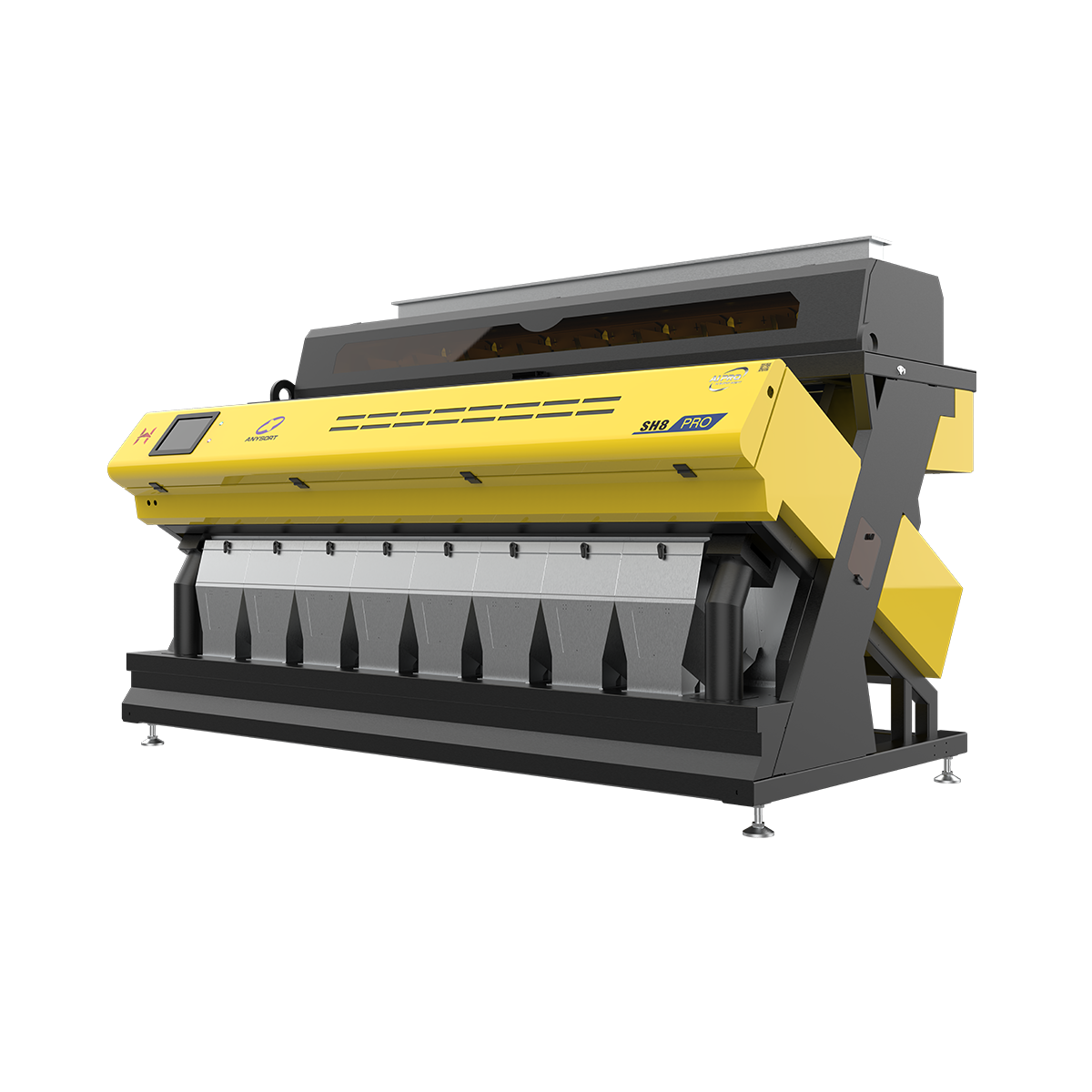
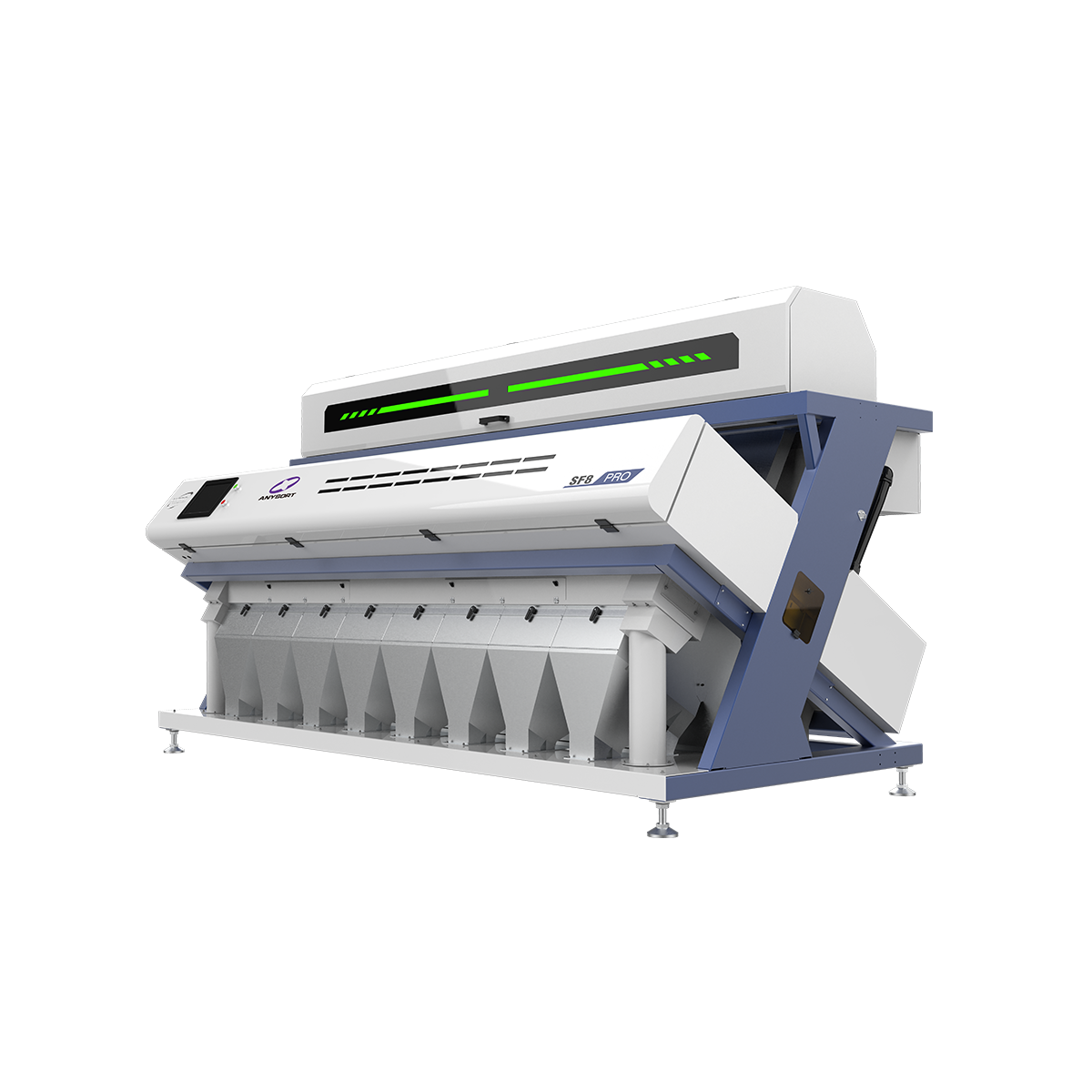
sorting devices
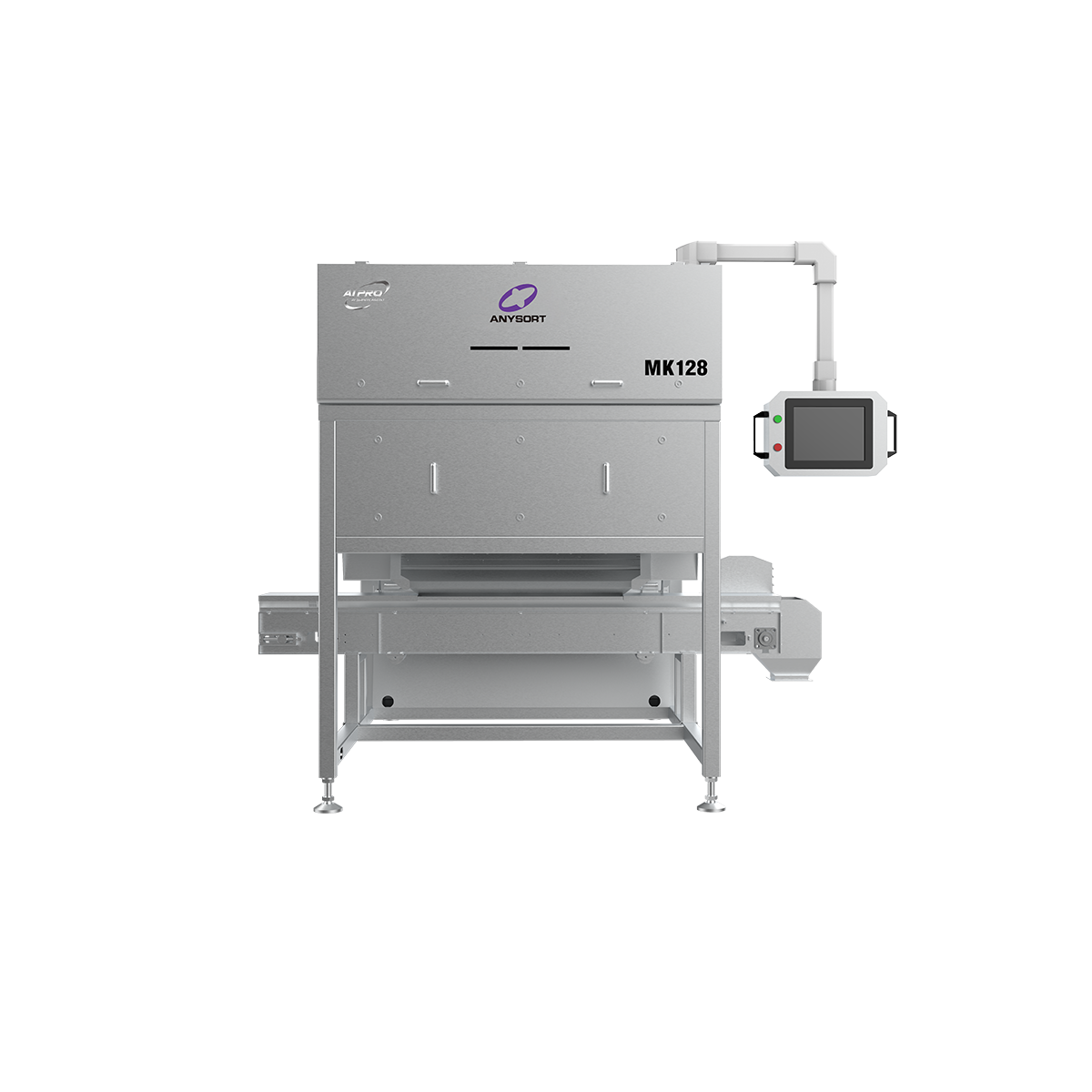
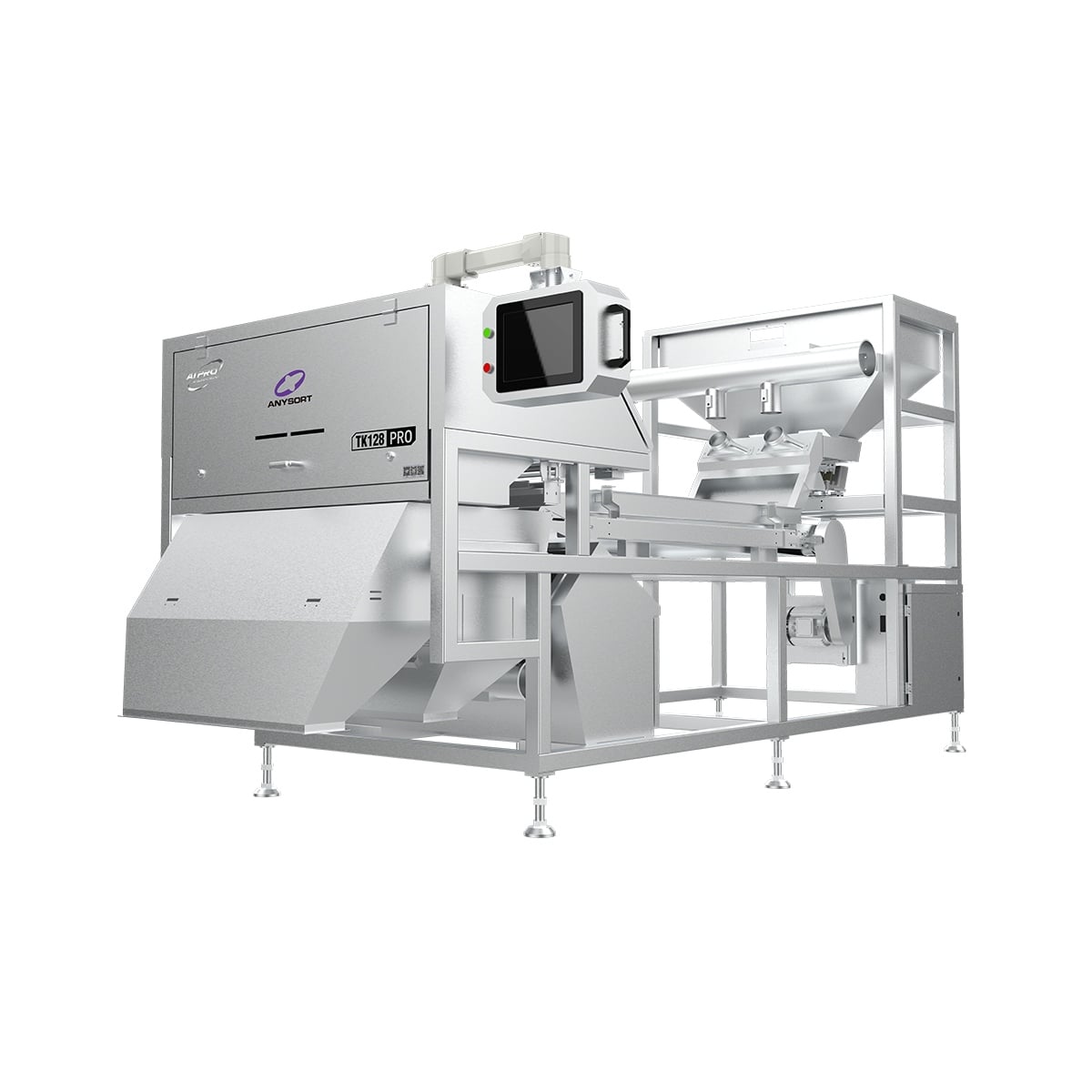
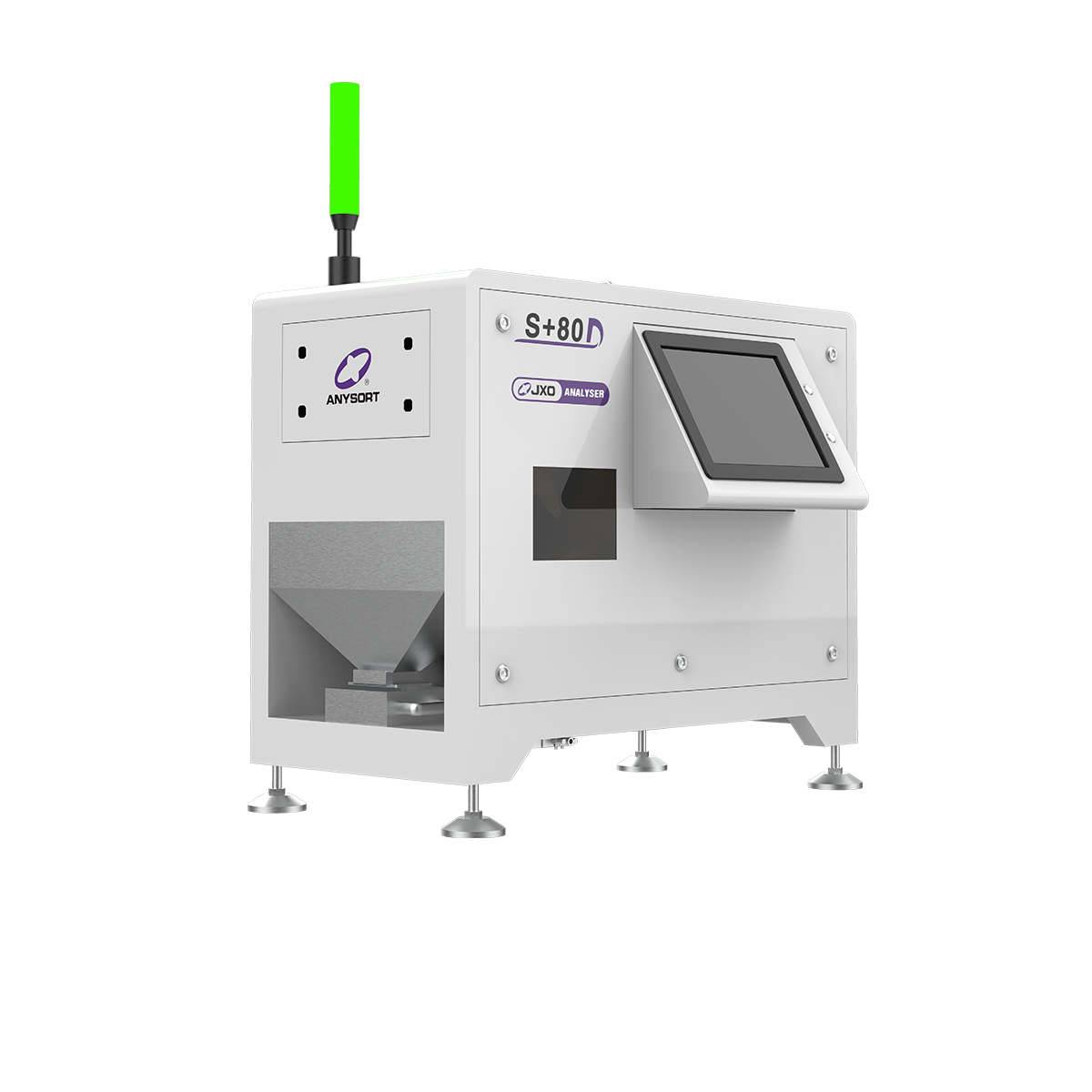
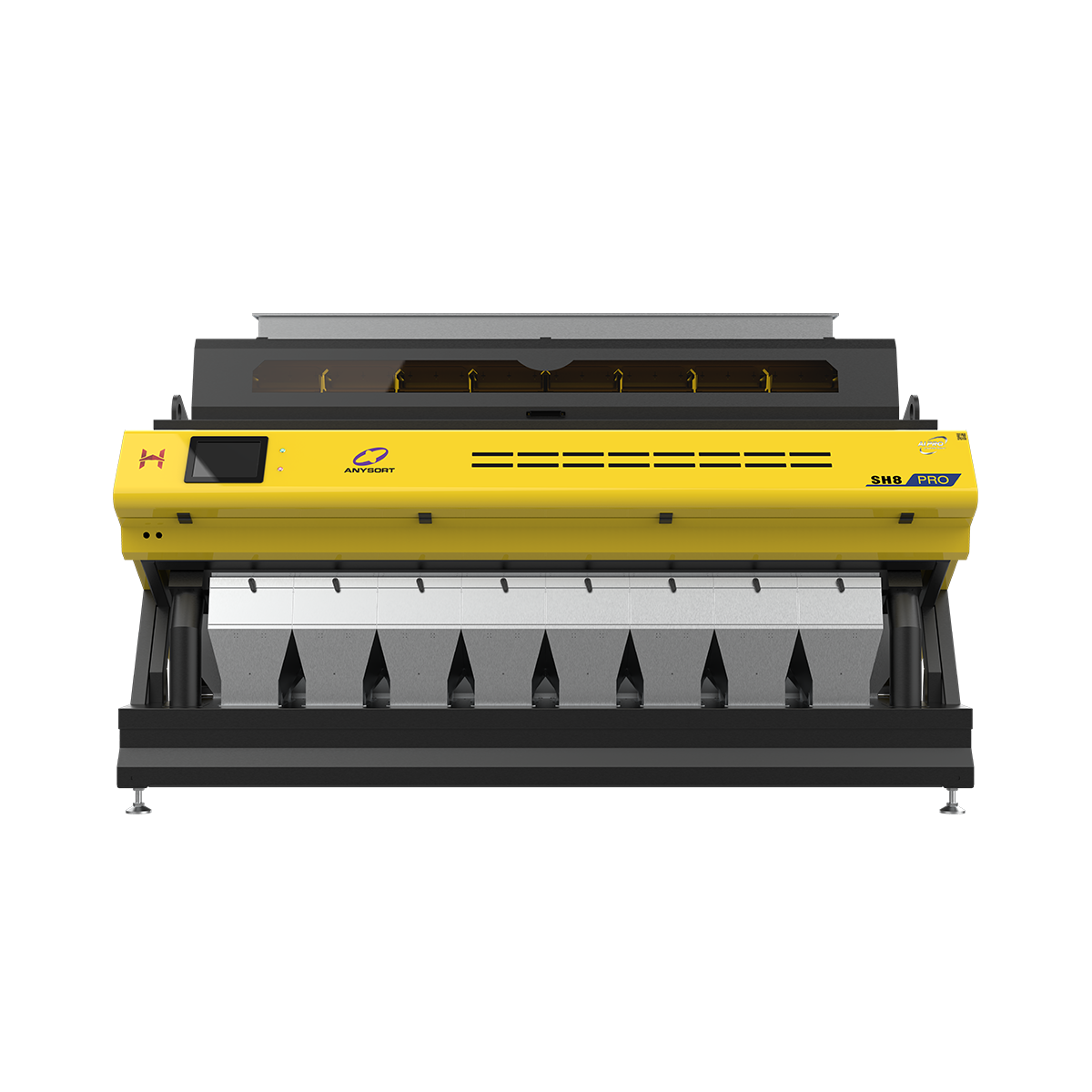
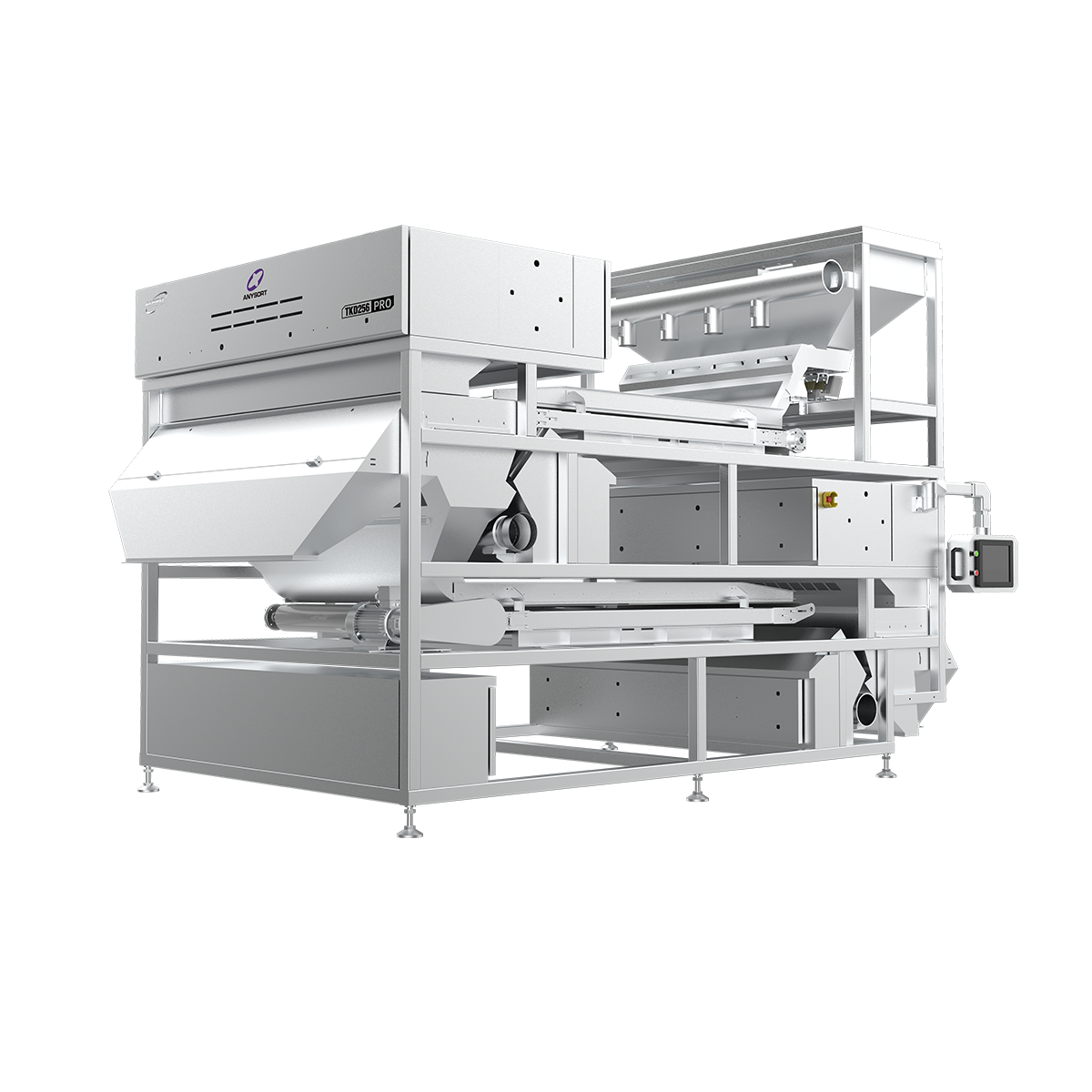
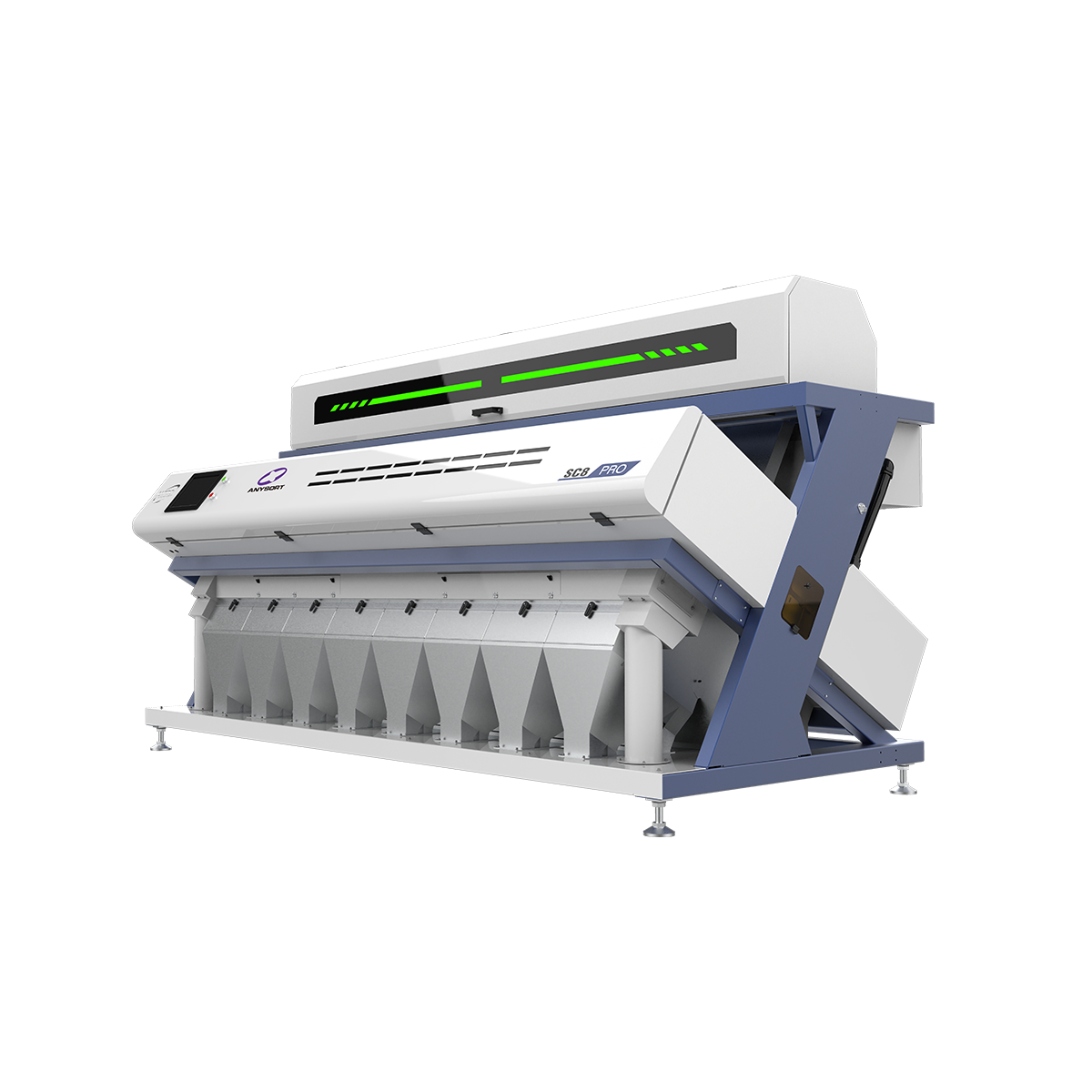
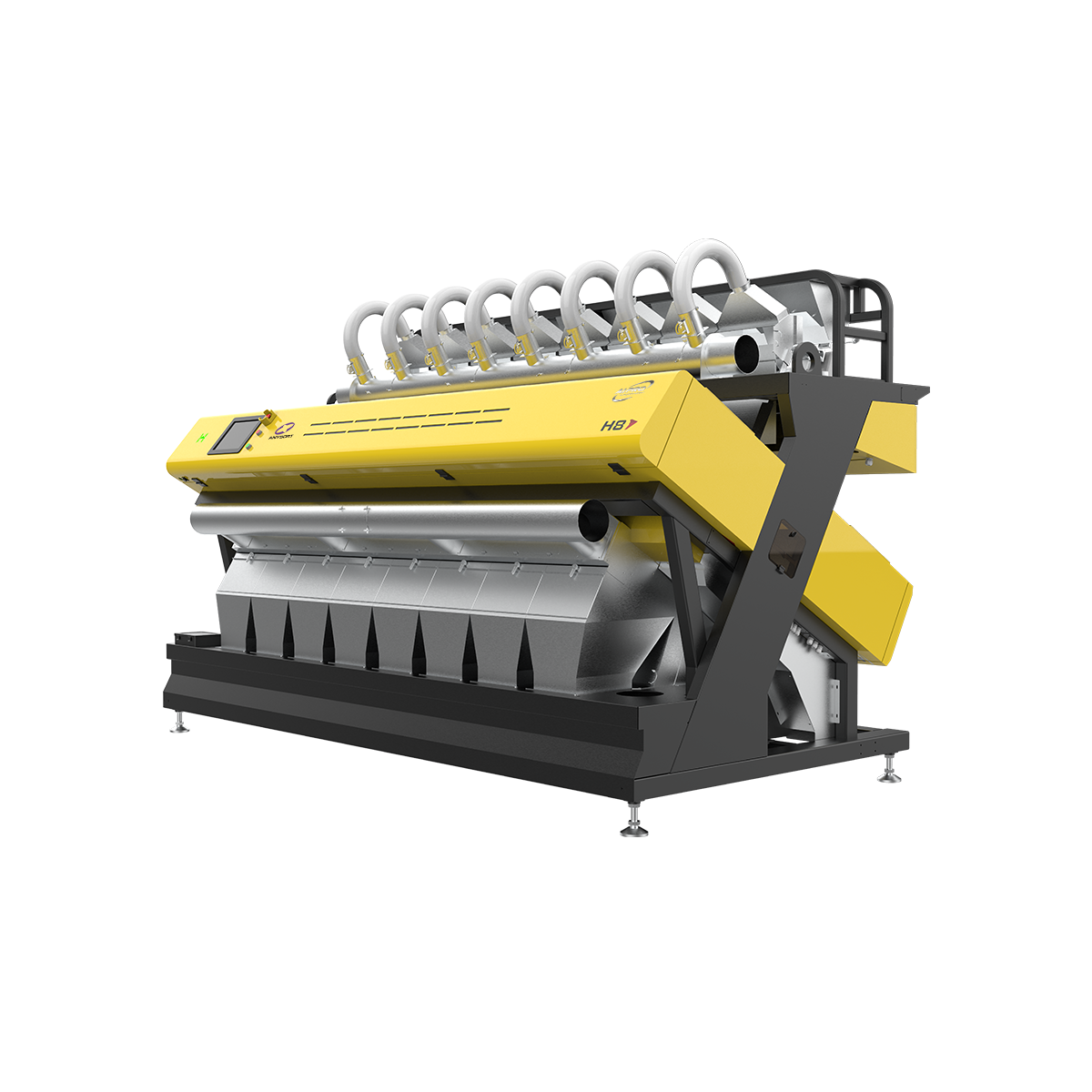
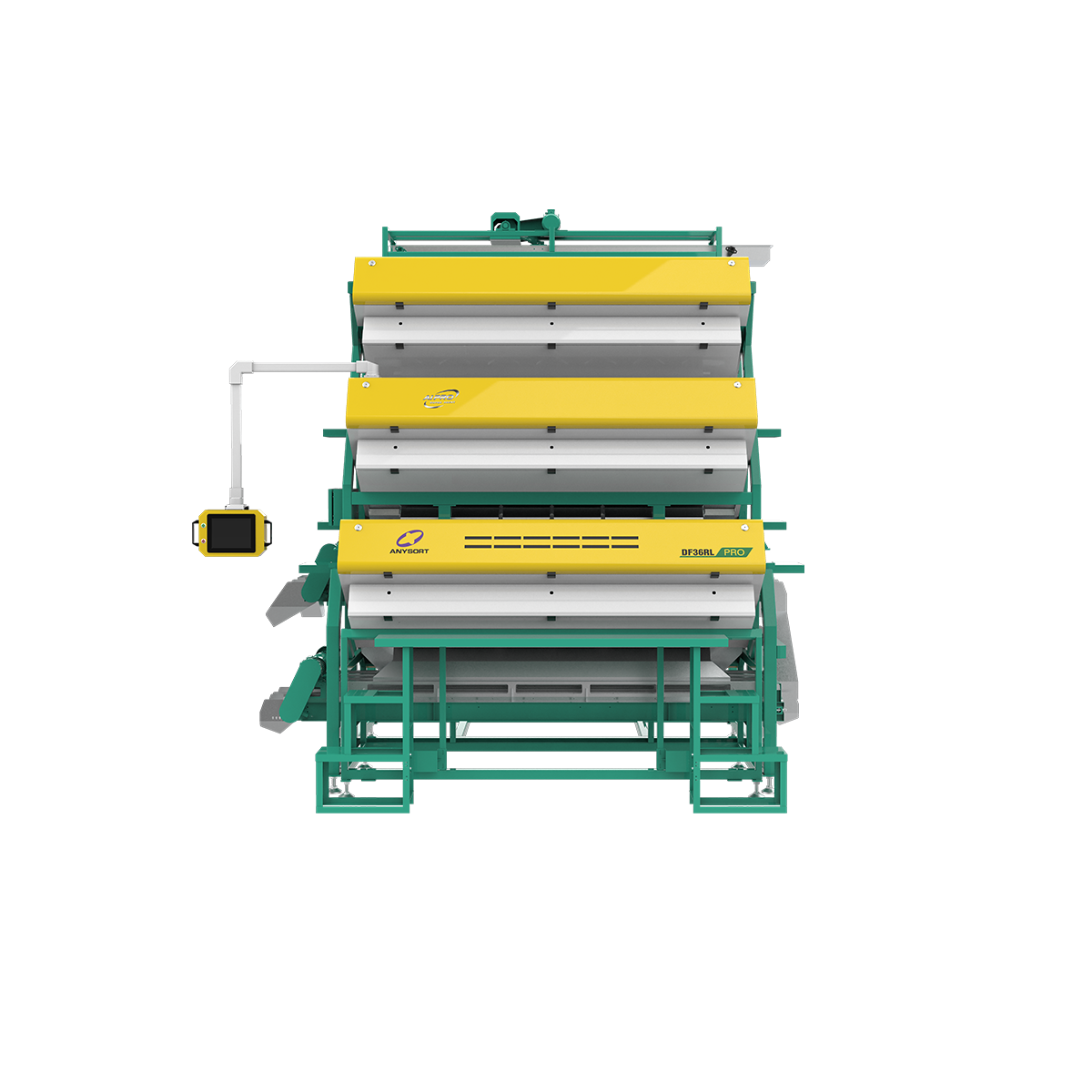
Sorting devices represent advanced technological solutions designed to organize, classify, and arrange items based on predetermined criteria. These innovative sorting devices streamline operations across multiple industries by automatically categorizing products, materials, or data according to specific requirements. The primary function of sorting devices involves receiving input materials and directing them into designated output channels or categories with remarkable precision and speed.
Modern sorting devices incorporate sophisticated technological features including optical sensors, artificial intelligence algorithms, and real-time processing capabilities. These components work together to identify characteristics such as size, weight, color, shape, or material composition. Advanced sorting devices utilize machine learning to continuously improve accuracy and adapt to changing product specifications.
The technological architecture of sorting devices enables rapid processing rates, handling thousands of items per hour while maintaining exceptional accuracy levels. Integration with existing production systems occurs seamlessly through compatible interfaces and customizable programming options. Sorting devices prove invaluable in food processing, recycling facilities, postal services, manufacturing plants, and pharmaceutical industries.
Applications extend beyond simple categorization to include quality control verification, contamination detection, and value maximization through waste reduction. Sorting devices enhance operational efficiency by reducing manual labor requirements and human error. They provide consistent, reliable performance throughout extended operational periods, contributing significantly to productivity gains and cost optimization across diverse sectors requiring organized material flow and precise categorization capabilities.

 EN