
 EN
EN
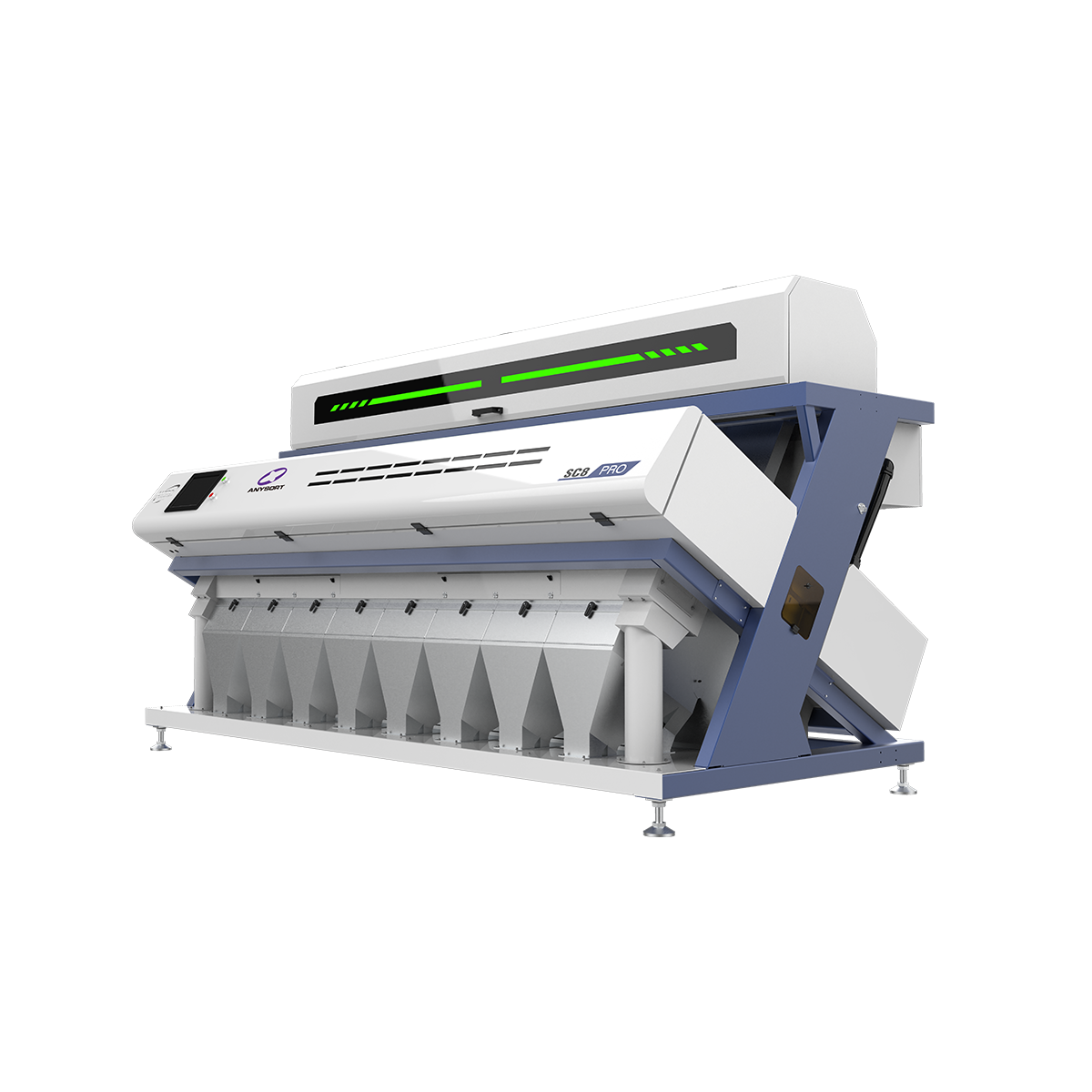
Modern rice processing demands precision and consistency, which is why understanding the detection mechanisms behind advanced equipment has become essential for producers. A rice color sorter represents one of the most significant technological breakthroughs in grain quality management, enabling mills and processing facilities to automatically identify and remove defective grains with remarkable accuracy. The sophistication of these systems goes far beyond simple visual inspection, employing advanced optical technologies and intelligent algorithms to ensure only premium-quality rice reaches consumers.

The fundamental purpose of a rice color sorter is to detect and segregate grains that deviate from acceptable quality standards. These defects include discoloration, damage, foreign material contamination, and structural abnormalities that would compromise the final product. By automating this detection process, rice color sorter technology dramatically improves throughput, consistency, and profitability compared to manual sorting methods.
Optical Detection Principles Behind Rice Color Sorter Technology
How Light and Cameras Work in Modern Rice Color Sorter Systems
At the core of every rice color sorter lies a sophisticated optical imaging system. High-resolution cameras capture detailed images of individual grains as they pass through the sorting chamber at high speed. Each rice color sorter uses multiple wavelengths of light, including visible spectrum and infrared radiation, to illuminate grains from different angles and reveal surface characteristics invisible to the human eye. The imaging sensors in a rice color sorter process these light reflections and transmissions in milliseconds, creating detailed digital profiles of each grain.
The advanced rice color sorter technology employs line-scan or full-frame cameras that work in conjunction with LED light sources optimized for grain analysis. When light strikes a grain passing through a rice color sorter, the optical response varies based on the grain's composition, moisture content, and surface condition. Healthy grains reflect and transmit light in predictable patterns, while defective grains display anomalous optical signatures. This fundamental principle allows the rice color sorter to distinguish quality grains from those requiring removal with precision exceeding 99 percent accuracy.
Signal Processing and Defect Recognition in Rice Color Sorter Units
Once the rice color sorter captures optical data, sophisticated processing algorithms analyze the information in real-time. The system in each rice color sorter converts raw image data into numerical values representing color intensity, texture patterns, and dimensional characteristics. Machine learning models trained on thousands of grain samples enable the rice color sorter to recognize subtle defect indicators that trained human inspectors might overlook. These algorithms continuously compare captured grain profiles against stored reference standards within the rice color sorter database.
The detection engine of a modern rice color sorter identifies several categories of defects simultaneously. Chromatic defects include discoloration, yellowing, and pigmentation anomalies that indicate aging, mold exposure, or pest damage. A rice color sorter also detects structural damage such as cracks, chips, and broken kernels that would affect cooking quality and consumer satisfaction. Additionally, the rice color sorter recognizes foreign objects, including stones, metal fragments, and non-grain materials that pose safety and quality risks.
Mechanical Execution and Rejection Mechanisms
Precise Grain Sorting and Ejection in Rice Color Sorter Operations
After the rice color sorter detects a defective grain, mechanical systems execute the rejection with split-second timing. High-pressure air jets integrated into the rice color sorter chamber activate in response to optical detection signals, precisely propelling flagged grains into reject chutes while allowing acceptable grains to continue on their intended path. The timing synchronization between optical detection and mechanical ejection in a rice color sorter must occur within 50-100 milliseconds, requiring sophisticated coordination between imaging, processing, and pneumatic systems.
Each rice color sorter maintains multiple output streams, typically separating grains into primary grade, secondary grade, and reject categories based on severity of detected defects. Some advanced rice color sorter models feature variable reject sensitivity settings, allowing operators to adjust detection thresholds according to market requirements and specifications. This flexibility in rice color sorter configuration ensures that processors can maintain different quality grades without requiring multiple machines, significantly improving operational efficiency and return on investment.
Throughput and Processing Speed of Rice Color Sorter Systems
Industrial-scale rice color sorter equipment processes between 3 to 8 tons of grain per hour, depending on model specifications and grain characteristics. The remarkable speed of modern rice color sorter technology is achieved through parallel processing architecture, where multiple detection channels analyze different grain streams simultaneously. Advanced rice color sorter systems equipped with multi-lane configurations can inspect hundreds of individual grains every second, maintaining output rates that would be impossible using traditional manual sorting methods.
The efficiency gains provided by a rice color sorter directly translate to cost reduction and competitive advantage in grain processing. By automating detection and rejection, a rice color sorter eliminates labor-intensive manual inspection, reducing per-unit processing costs by up to 40 percent. Furthermore, the consistency achieved by a rice color sorter ensures that quality standards remain uniform throughout production runs, eliminating batch-to-batch variation that historically plagued manual sorting operations.
Application Benefits and Quality Assurance Through Rice Color Sorter Implementation
Economic and Commercial Advantages of Rice Color Sorter Technology
The adoption of rice color sorter equipment represents a strategic investment that delivers measurable returns across multiple dimensions. Mills equipped with a rice color sorter achieve higher market prices due to consistently superior product quality, improved brand reputation, and reduced customer complaints. A rice color sorter enables producers to command premium pricing in export markets where quality specifications are strict, particularly in developed nations with demanding consumer preferences and regulatory standards.
Environmental benefits also accompany rice color sorter implementation, as the technology reduces waste by capturing marginal-quality grains that might otherwise be discarded. A rice color sorter maximizes yield from input rice supplies, transforming borderline grains into saleable secondary products. This waste reduction enhances sustainability metrics and contributes to more efficient utilization of agricultural resources, aligning with growing corporate environmental responsibility initiatives.
Quality Control and Consumer Satisfaction Delivered by Rice Color Sorter Solutions
Consumer expectations for food quality and safety have never been higher, making the reliability of a rice color sorter absolutely critical for producers seeking market differentiation. A rice color sorter eliminates the human error inherent in manual inspection, ensuring that every batch meets documented quality specifications. This consistency builds customer loyalty and reduces the risk of product recalls, quality disputes, and reputational damage that can devastate companies in the food sector.
The comprehensive defect detection capabilities of a rice color sorter address food safety concerns including contamination detection and foreign material removal. By identifying and removing compromised grains before packaging, a rice color sorter protects consumers and insulates producers from liability exposure. Insurance companies and regulatory bodies increasingly recognize rice color sorter technology as a best-practice quality assurance standard, with some markets now expecting or requiring rice color sorter verification in commercial grain operations serving institutional or export customers.
FAQ
What types of defects can a rice color sorter reliably detect?
A rice color sorter can identify multiple defect categories including discoloration, chalky grains, red rice kernels, damaged or broken grains, immature kernels, fungal contamination indicators, and foreign objects such as stones and debris. The optical sensitivity of a rice color sorter allows detection of defects as small as surface scratches or microscopic discoloration that would be invisible or imperceptible during manual inspection. Advanced rice color sorter models equipped with multispectral imaging can even detect chemical contamination or pesticide residues through subtle optical signature changes.
How does a rice color sorter compare to manual grain inspection methods?
Manual grain inspection is labour-intensive, subjective, and subject to human fatigue and inconsistency, while a rice color sorter delivers objective, consistent results across 24-hour operations. A rice color sorter processes material 100-200 times faster than manual methods while maintaining superior accuracy rates exceeding 98 percent. The rice color sorter also reduces labour costs substantially while improving worker safety by eliminating repetitive strain injuries associated with manual inspection. Investment in a rice color sorter typically achieves payback within 18-36 months through improved efficiency and product value.
Can a rice color sorter be integrated into existing mill operations?
Yes, modern rice color sorter equipment is designed for flexible integration into existing processing lines. A rice color sorter can be positioned after cleaning and drying stages to perform final quality verification before bagging and storage. Many rice color sorter manufacturers provide custom installation and calibration services to ensure optimal performance within specific facility configurations. The modular design of contemporary rice color sorter systems allows for easy replacement and upgrades as technology advances, protecting the long-term value of the capital investment.