
 EN
EN

Selecting the right rice color sorter is a critical decision that directly impacts your grain processing efficiency, product quality, and long-term profitability. A rice color sorter removes discolored, damaged, and foreign particles from rice batches, ensuring only premium-grade product reaches your customers. However, the market offers numerous rice color sorter models with varying capabilities, technologies, and price points, making the selection process complex for grain processors of all sizes.
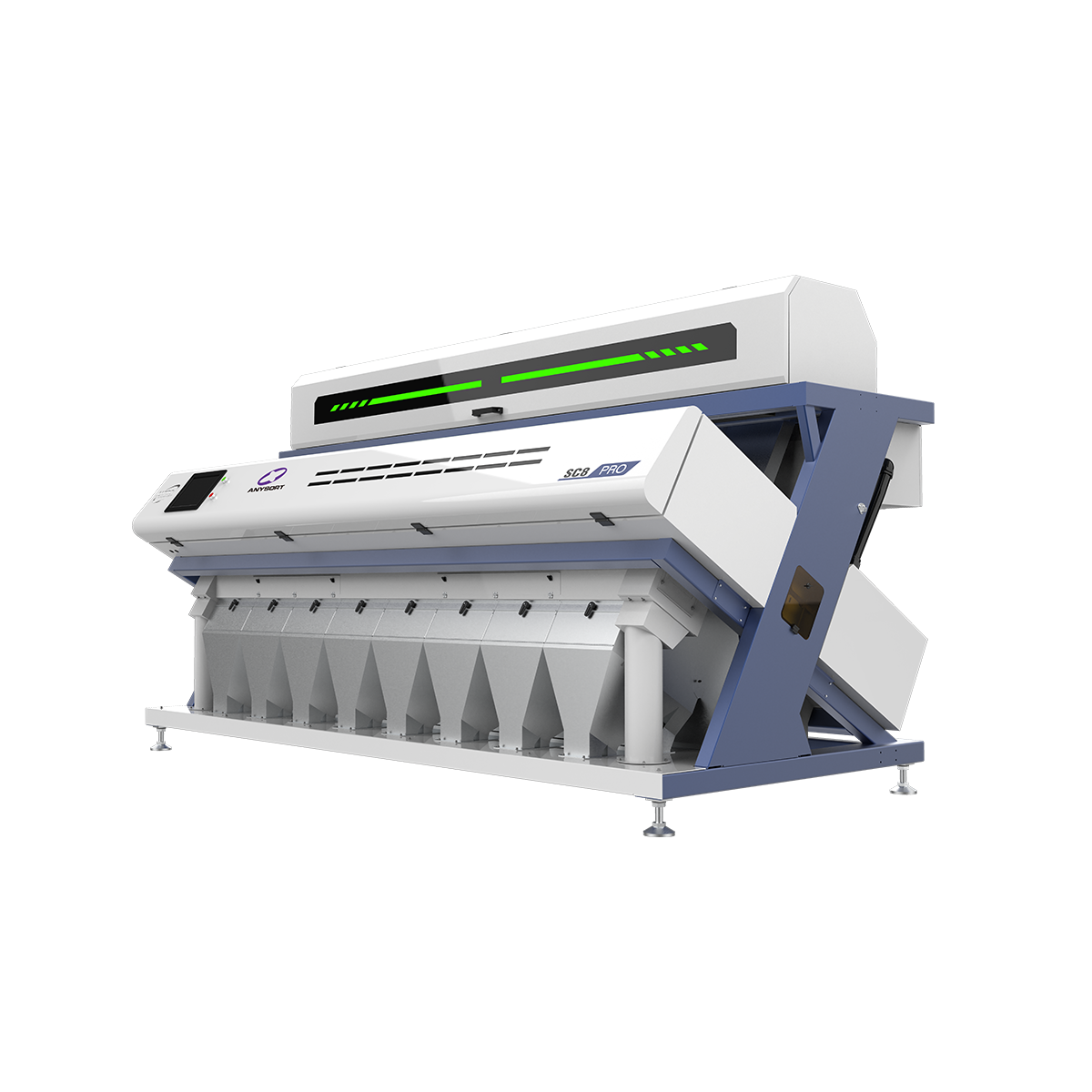
Understanding the key factors that differentiate one rice color sorter from another enables you to make an informed investment that aligns with your operational requirements, budget constraints, and quality standards. This guide walks you through the most important selection criteria so you can evaluate any rice color sorter with confidence and choose equipment that delivers measurable return on investment.
Throughput Capacity and Processing Speed
Matching Capacity to Your Production Volume
The throughput capacity of your rice color sorter must align precisely with your daily processing requirements. A rice color sorter with insufficient capacity creates bottlenecks that slow your entire operation, while oversized equipment wastes energy and resources. Typical rice color sorter models range from 1 to 20 tons per hour, depending on rice type, particle size, and contamination levels. Evaluate your peak processing volume, seasonal demand fluctuations, and future growth projections to determine the optimal rice color sorter capacity for your facility.
Speed Optimization and Product Preservation
Processing speed directly affects both efficiency and rice quality. A high-speed rice color sorter increases throughput but can potentially damage delicate grain if conveyor systems and chutes are not properly engineered. Advanced rice color sorter designs use gentle handling mechanisms that maintain grain integrity while achieving fast processing rates. Verify whether your rice color sorter option includes adjustable speed controls and automatic load balancing features that prevent overloading and material jams during peak production cycles.
Detection Accuracy and Sorting Precision
Optical and Sensor Technology Performance
The core function of any rice color sorter depends on its ability to accurately identify and remove defective grains. Modern rice color sorter systems use advanced optical sensors, multispectral imaging, and machine learning algorithms to distinguish between acceptable rice, discolored particles, broken kernels, and foreign materials. A high-quality rice color sorter achieves detection accuracy rates above 98%, minimizing both product loss and contamination slip-through. Examine technical specifications for sensor resolution, processing speed per grain, and the number of detection channels your chosen rice color sorter provides.
Adaptability to Rice Varieties and Conditions
Different rice varieties present unique sorting challenges. Short-grain, long-grain, fragrant, and specialty rice types each require calibration adjustments in a quality rice color sorter. The best rice color sorter models offer programmable sorting parameters that allow operators to quickly switch between rice types without hardware modifications. Additionally, your rice color sorter should handle varying moisture content, ambient temperature changes, and ambient lighting variations without sacrificing detection accuracy. Seek systems that include automated calibration or real-time sensor adjustment to maintain consistent performance throughout your production day.
Maintenance Requirements and Operational Reliability
System Durability and Component Accessibility
Long-term operating costs for your rice color sorter extend far beyond the initial purchase price. Equipment downtime due to maintenance failures or component replacement can cost thousands in lost production. Evaluate the build quality, material specifications, and designed lifespan of candidate rice color sorter models. Consider whether critical components such as lenses, sensors, conveyors, and electronics are readily available and whether the manufacturer provides fast replacement service. A reliable rice color sorter should require only routine cleaning and preventive maintenance, with access points designed for quick inspection and parts replacement without disassembling the entire machine.
Technical Support and Spare Parts Availability
The supplier relationship matters significantly when owning a rice color sorter. Manufacturers offering robust technical support, comprehensive warranty coverage, and readily stocked spare parts reduce your total cost of ownership. Verify that your rice color sorter supplier maintains local or regional service networks, provides training for your operators, and delivers emergency support during critical production windows. Ask for references from existing customers regarding response times and service quality. A rice color sorter investment includes not just equipment but an ongoing partnership with the supplier that directly impacts your operational success and peace of mind.
Integration with Existing Infrastructure
Installation Footprint and Facility Compatibility
Physical space constraints often dictate which rice color sorter models fit your facility. Compact rice color sorter designs work well for retrofitting into existing production lines, while larger facilities may accommodate full-featured systems with integrated cleaning, drying, and staging functions. Examine floor space requirements, height clearances, and the weight distribution profile of your candidate rice color sorter. Verify whether structural reinforcement is needed and whether your current conveyor systems can interface smoothly with the rice color sorter inputs and outputs. Assess dust management, vibration isolation, and electrical infrastructure compatibility before committing to any rice color sorter purchase.
Data Integration and Industry Compatibility
Modern grain processors increasingly rely on data analytics to optimize quality control and traceability. An advanced rice color sorter should integrate seamlessly with your enterprise resource planning systems and provide real-time reporting on sorting performance, contamination rates, and yield metrics. rice color sorter systems with cloud connectivity enable remote monitoring, predictive maintenance alerts, and performance benchmarking against industry standards. Evaluate whether the rice color sorter software supports your existing quality management systems and compliance documentation needs for regulatory certification and customer audits.
Economic Considerations and Return on Investment
Upfront Investment Versus Long-Term Value
The total cost of your rice color sorter investment spans equipment purchase, installation, training, maintenance, and eventual replacement or upgrade. Calculate the cost per ton of processed rice to compare different rice color sorter options fairly. A more expensive rice color sorter may deliver superior sorting accuracy and higher throughput, resulting in lower per-unit costs and faster payback periods. Conversely, a budget rice color sorter might force compromises on reliability or sorting precision that ultimately cost more in wasted product and operational disruptions. Develop a five-year total cost of ownership model for each rice color sorter candidate to make an objective comparison.
Quality Premium and Market Differentiation
Investing in a high-performance rice color sorter often justifies itself through premium pricing for superior-quality rice. Buyers consistently pay more for uniformly colored, clean, and perfectly graded rice, making your rice color sorter a revenue-generating asset rather than merely an expense. Calculate the potential price premium your customers will accept for guaranteed quality improvement, then measure that against the rice color sorter cost. Many processors find that enhanced sorting quality enables them to access premium market segments, expand distribution channels, and strengthen customer loyalty. This market differentiation frequently delivers return on investment within 18 to 36 months depending on your current quality metrics and target markets.
FAQ
What is the minimum throughput capacity I should consider in a rice color sorter?
The minimum practical throughput capacity depends on your production scale. Small-scale rice processors may operate efficiently with a rice color sorter processing 2 to 4 tons per hour, while medium operations typically require 6 to 12 tons per hour. Ensure your chosen rice color sorter capacity exceeds your average daily volume by at least 15 percent to accommodate peak demand without operational stress. Undersizing your rice color sorter creates bottlenecks and defeats the equipment investment's purpose.
How does a rice color sorter improve product consistency compared to manual sorting?
A rice color sorter applies consistent optical detection criteria to every single grain, achieving uniformity that manual sorting cannot match. Manual sorting depends on operator fatigue, attention variation, and subjective judgment, often resulting in inconsistent quality between batches or even within a single batch. Your rice color sorter maintains identical sorting parameters throughout the production day, delivering batch-to-batch consistency that builds customer confidence and reduces quality complaints. This consistency directly supports premium pricing and regulatory compliance documentation.
Can a rice color sorter handle multiple rice varieties without extensive recalibration?
Most modern rice color sorter systems support multiple sorting programs that accommodate different rice varieties with minimal setup time. Advanced rice color sorter models include programmable profiles for short-grain, long-grain, fragrant, and specialty rice types, allowing operators to switch between varieties in minutes rather than hours. Some rice color sorter systems feature automated variety detection and self-calibration, eliminating manual parameter adjustment entirely. Verify your candidate rice color sorter supports your specific rice portfolio before purchase.