
 EN
EN
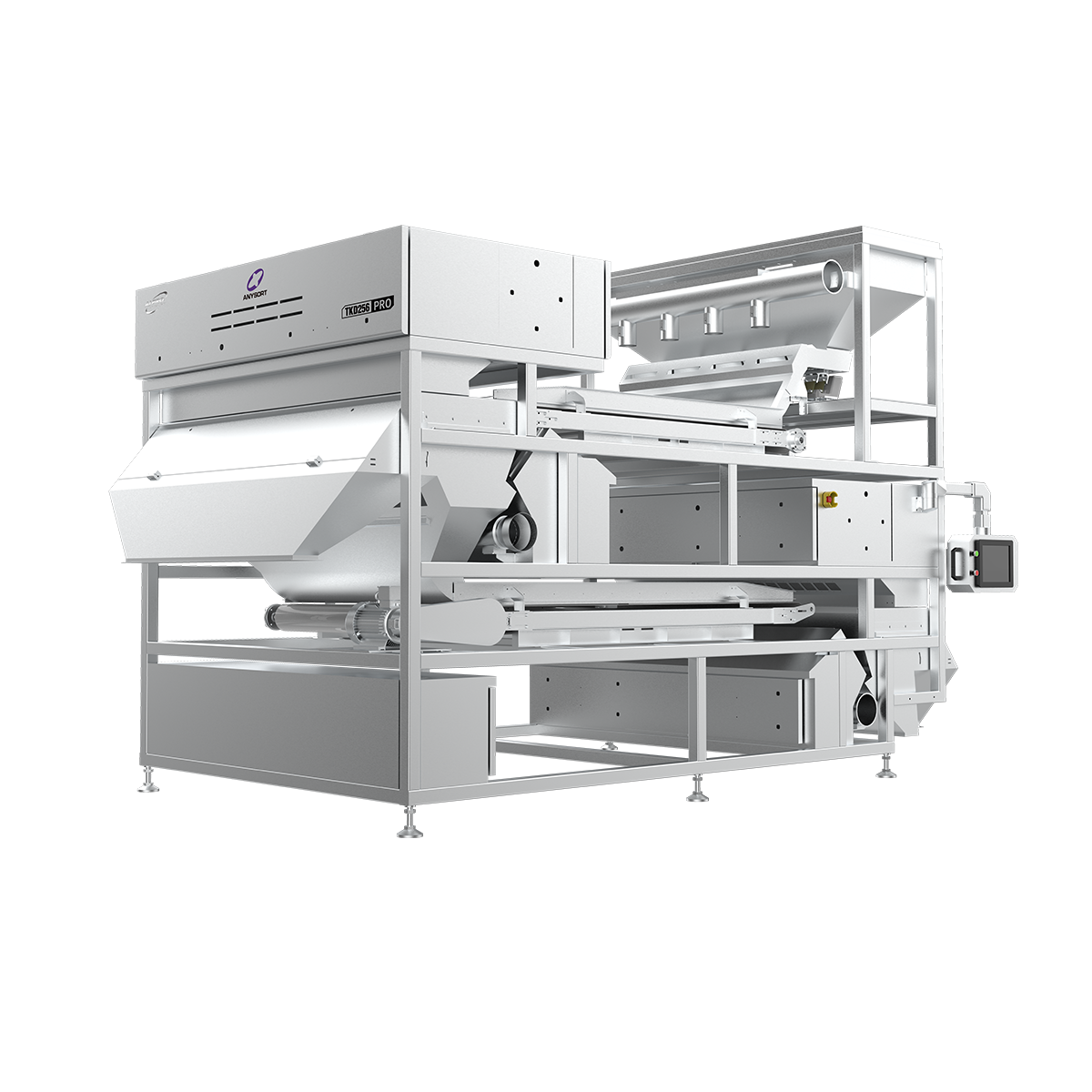
Understanding the investment required for a color sorter machine is essential for businesses in agriculture, food processing, and recycling sectors. The cost of a color sorter machine varies significantly based on capacity, technology sophistication, application, and supplier specifications. For decision-makers evaluating whether to adopt color sorter machine technology, pricing transparency directly impacts budget planning and return-on-investment calculations. This guide explores the full spectrum of color sorter machine costs, the variables that influence pricing, and how to evaluate value in your specific operational context.
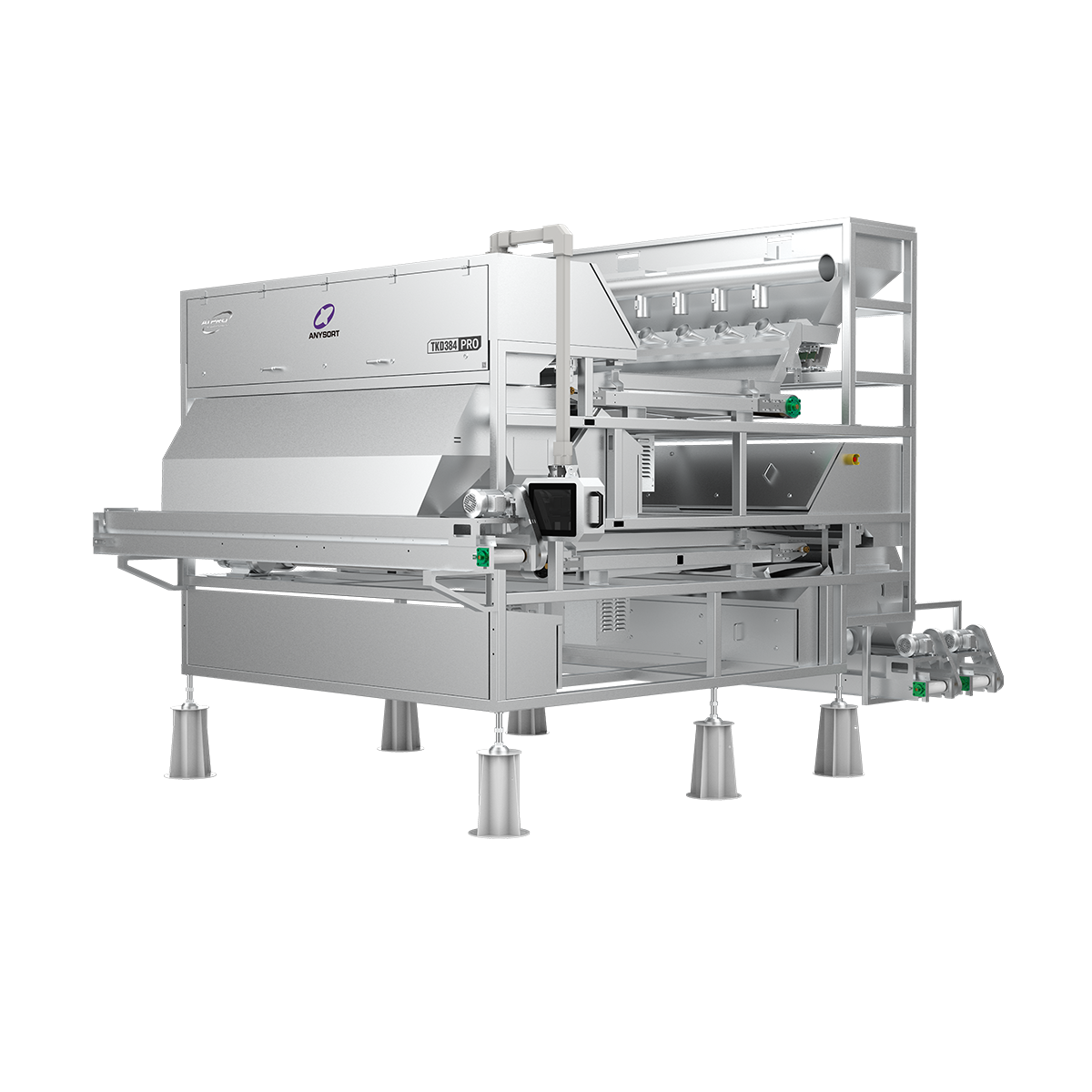
The pricing landscape for color sorter machine equipment reflects both the complexity of optical sensing technology and the wide range of industrial applications. Entry-level color sorter machine models designed for smaller operations differ substantially in cost from enterprise-grade systems handling high-volume production. Understanding these distinctions helps you allocate capital effectively and select equipment that aligns with your throughput requirements and quality standards.
Core Pricing Ranges for Color Sorter Machine Systems
Entry-Level and Small-Scale Color Sorter Machine Models
Small-capacity color sorter machine units serve startups and boutique producers who process modest volumes. These color sorter machine systems typically cost between $15,000 and $45,000 depending on channel count and sensor quality. A basic color sorter machine with 6 to 12 channels processes 500 to 1,000 kilograms per hour and uses simpler optical configurations. This color sorter machine category prioritizes affordability and space efficiency, making it ideal for facilities with limited floor space or seasonal demand fluctuations.
Mid-Range Color Sorter Machine Solutions
Mid-tier color sorter machine installations represent the mainstream investment for established food and agricultural operations. A mid-range color sorter machine typically costs $45,000 to $150,000 and handles throughputs between 1,000 and 3,000 kilograms per hour. These color sorter machine models feature 16 to 32 channels with enhanced sensor resolution and faster processing algorithms. The color sorter machine in this category often incorporates smart connectivity features and performs simultaneous multi-parameter sorting on products like grains, beans, rice, and dried fruits.
Premium and High-Volume Color Sorter Machine Pricing
Enterprise-Grade Color Sorter Machine Systems
Large-scale operations and premium-quality processors invest in high-end color sorter machine equipment costing $150,000 to $500,000 or beyond. These advanced color sorter machine systems process 3,000 to 8,000 kilograms per hour with 32 to 64 channels and cutting-edge artificial intelligence capabilities. An enterprise color sorter machine delivers exceptional defect detection accuracy and can simultaneously sort by color, shape, and size. These color sorter machine installations often feature cloud connectivity, real-time performance analytics, and integration with existing production line infrastructure.
Custom and Specialized Color Sorter Machine Configurations
Businesses with unique product requirements may commission custom color sorter machine designs exceeding $500,000. A specialized color sorter machine built for specific commodities like cocoa beans, specialty vegetables, or mineral sorting incorporates tailored sensor arrays and ejection mechanisms. These color sorter machine configurations undergo extensive testing and validation to ensure they meet stringent product-specific quality standards and regulatory compliance requirements.
Key Factors Influencing Color Sorter Machine Cost
Throughput Capacity and Processing Speed
The hourly processing capacity of a color sorter machine directly correlates with its price. A color sorter machine designed to process 500 kilograms per hour costs substantially less than a color sorter machine handling 5,000 kilograms hourly. Higher-speed color sorter machine models require faster optical sensors, more powerful ejection mechanisms, and more robust mechanical construction. Selecting the appropriate color sorter machine throughput prevents overpaying for capacity you don't need or under-investing in equipment that creates production bottlenecks.
Sensor Technology and Detection Capabilities
Modern color sorter machine technology ranges from basic RGB color detection to multispectral and near-infrared capabilities. A standard color sorter machine with RGB sensors costs significantly less than a color sorter machine incorporating hyperspectral or AI-enhanced defect detection. Advanced color sorter machine models with machine learning algorithms command premium pricing because they identify subtle quality issues invisible to conventional color sorter machine optical systems. The investment in superior color sorter machine sensing technology pays dividends when product quality directly impacts market value and customer satisfaction.
Channel Configuration and Ejection System
The number of ejection channels in a color sorter machine determines how many product grades it can separate simultaneously. An 8-channel color sorter machine costs considerably less than a 48-channel color sorter machine because ejection infrastructure scales with channel count. Pneumatic ejection systems in a color sorter machine add cost but improve accuracy compared to gravity-based mechanisms. When evaluating color sorter machine options, consider whether your operation benefits from multi-grade separation or whether binary accept/reject sorting suffices.
Hidden Costs and Total Cost of Ownership for Color Sorter Machine Systems
Installation and Integration Expenses
The purchase price of a color sorter machine represents only part of total investment. Installation and integration costs for a color sorter machine typically add 10 to 20 percent to the equipment price, depending on facility modifications required. A color sorter machine may require structural reinforcement, pneumatic line extensions, electrical upgrades, and integration testing. Professional installation of a color sorter machine ensures proper calibration and compatibility with upstream and downstream processing equipment.
Maintenance and Operational Costs
Long-term ownership of a color sorter machine includes regular maintenance, calibration, and replacement parts. Annual maintenance for a color sorter machine typically costs 5 to 10 percent of the equipment purchase price. Lens cleaning, sensor calibration, ejector valve replacement, and software updates for a color sorter machine are routine expenses. Planning for these ongoing costs when budgeting for a color sorter machine ensures accurate ROI projections and prevents surprise expenditures.
Training and Support Services
Operator training and technical support represent additional investment in color sorter machine deployment. Comprehensive training for your color sorter machine team ensures optimal system performance and reduces downtime. Extended support contracts for a color sorter machine provide priority access to technical specialists and expedited parts replacement. These services add 3 to 8 percent to total color sorter machine investment but significantly enhance reliability and productivity.
Return on Investment Considerations for Color Sorter Machine Technology
Quality Improvement and Waste Reduction
A color sorter machine investment typically delivers rapid payback through reduced material waste and improved product consistency. Most operations see a color sorter machine reduce defective product loss by 5 to 15 percent compared to manual sorting. Premium product yields from a color sorter machine directly increase revenue and market positioning. The productivity gains from a color sorter machine often justify the capital expense within 18 to 36 months for many food and agricultural businesses.
Labor Cost Reduction and Efficiency Gains
Implementing a color sorter machine reduces reliance on manual sorting labor, which represents one of the largest operational expenses. A color sorter machine replaces work that previously required 3 to 8 full-time employees depending on product volume. Lower labor requirements for a color sorter machine operation allow workforce redeployment to higher-value activities. Many facilities using a color sorter machine achieve positive cash flow within the first two years of operation.
Selecting the Right Color Sorter Machine for Your Budget
Matching Capacity to Current and Future Volumes
Purchasing a color sorter machine sized appropriately for your production volumes prevents both overcapitalization and operational constraints. A color sorter machine that processes 30 percent above your current peak demand accommodates modest growth without re-investment. However, oversizing a color sorter machine beyond foreseeable needs wastes capital and creates maintenance complexity. Consulting with color sorter machine suppliers about realistic volume projections helps you identify the optimal equipment size and cost tier.
Evaluating Supplier Offerings and Service Quality
Not all color sorter machine suppliers provide equivalent value for similar pricing. Compare color sorter machine options based on warranty coverage, spare parts availability, technical support responsiveness, and software reliability. A color sorter machine from a supplier with strong service infrastructure may cost slightly more but delivers substantially better value. Request references from existing color sorter machine users operating in your industry to validate supplier performance claims.
FAQ
What is the typical lifespan of a color sorter machine?
A properly maintained color sorter machine typically operates effectively for 8 to 12 years. The optical sensors and mechanical components of a color sorter machine degrade gradually, but major overhauls can extend the useful life. Many businesses use a color sorter machine for 10 years before replacing it with newer technology. Regular maintenance and timely component replacement keep a color sorter machine performing reliably throughout its operational life.
Do color sorter machine prices include installation and training?
Most color sorter machine quotes from suppliers include equipment delivery but exclude installation labor and operator training. Installation costs for a color sorter machine vary based on facility complexity and typically range from 5,000 to 20,000 dollars depending on required infrastructure modifications. Comprehensive color sorter machine training packages are often available as add-ons, costing 2,000 to 5,000 dollars. Always clarify what your color sorter machine purchase price includes before committing to an order.
How do financing options affect color sorter machine affordability?
Many equipment suppliers and financial institutions offer lease and financing programs for color sorter machine purchases. Monthly payments for a color sorter machine lease typically represent 8 to 12 percent of the equipment purchase price. Financing a color sorter machine spreads costs across multiple fiscal periods, improving cash flow management for growing operations. Evaluate whether a color sorter machine lease makes sense compared to outright purchase based on your company's financial position and depreciation preferences.
Table of Contents
- Core Pricing Ranges for Color Sorter Machine Systems
- Premium and High-Volume Color Sorter Machine Pricing
- Key Factors Influencing Color Sorter Machine Cost
- Hidden Costs and Total Cost of Ownership for Color Sorter Machine Systems
- Return on Investment Considerations for Color Sorter Machine Technology
- Selecting the Right Color Sorter Machine for Your Budget
- FAQ