
 EN

The global coffee and spice export industry demands precision quality control at every stage of production. A coffee color sorting machine represents a transformative technology that addresses the critical challenge of visual defect detection and consistency assurance. Modern exporters cannot rely solely on manual inspection, which introduces human error, inconsistency, and labor inefficiency. The coffee color sorting machine automates the visual assessment process, identifying bean color variations, damaged kernels, foreign matter, and quality inconsistencies that would be missed by human handlers.
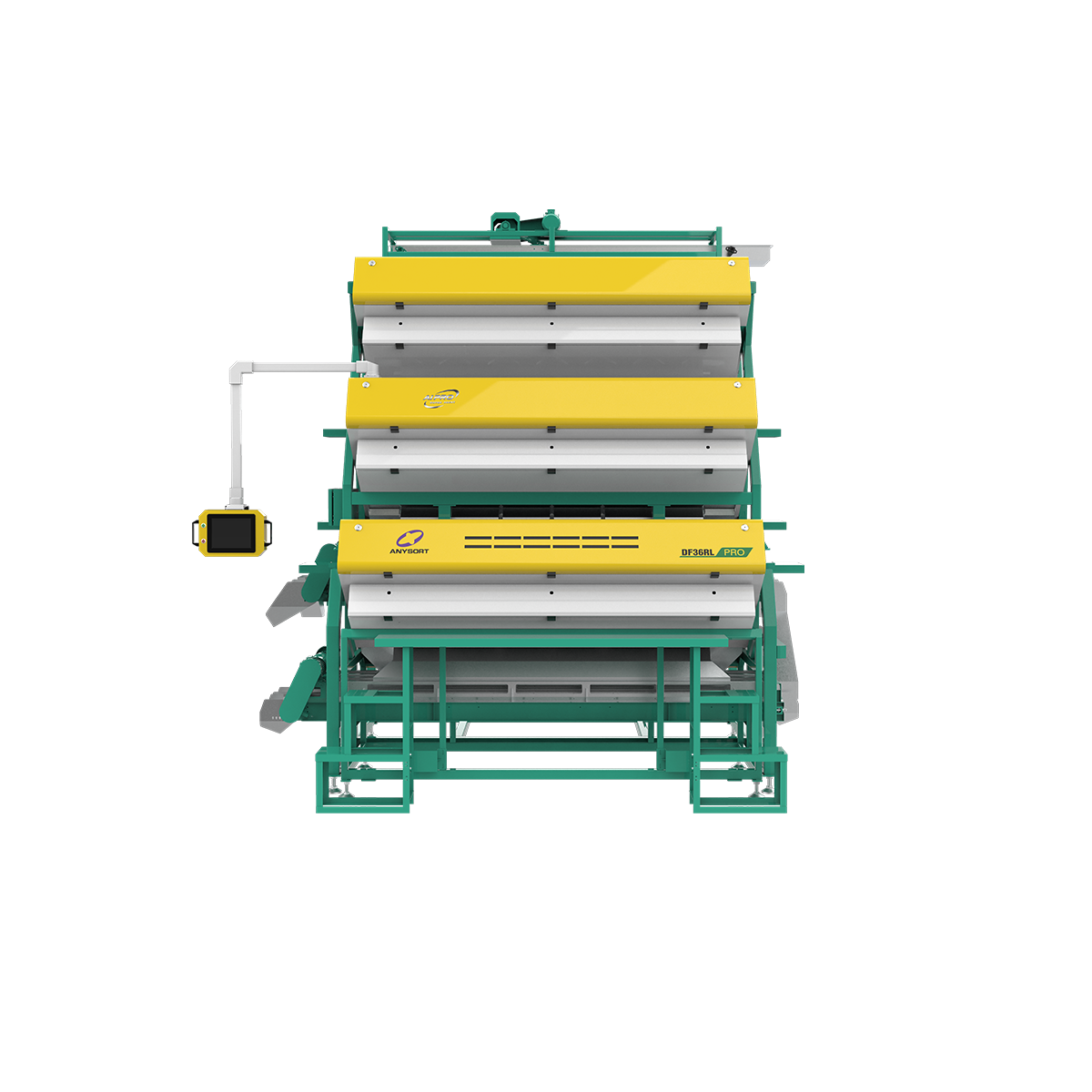
Export-grade coffee and spices face increasingly strict international quality standards, buyer specifications, and regulatory compliance requirements. A coffee color sorting machine ensures that every batch meets predetermined color profiles, moisture levels, and purity criteria before shipment. This technology eliminates batch rejection, reduces customer complaints, and protects brand reputation in competitive global markets. For coffee processors, spice exporters, and agricultural cooperatives, investing in an AI-powered coffee color sorting machine is no longer a luxury but a business necessity.
How Coffee Color Sorting Machines Operate
AI-Driven Visual Recognition and Sorting Logic
Modern coffee color sorting machines use advanced artificial intelligence and camera systems to analyze each individual bean in real-time. The coffee color sorting machine captures high-resolution images at speeds exceeding 1000 beans per second, then applies machine learning algorithms to classify beans by color grade, defect type, and contamination level. Each coffee color sorting machine maintains a calibrated color reference database specific to your product profile, whether it's specialty grade arabica, robusta, or blended lots. The system distinguishes between acceptable color variations within a grade and true defects such as black beans, sour beans, insect damage, and fungal discoloration. This precision eliminates subjective human judgment and ensures consistent application of quality standards across every production run.
Physical Separation and Output Quality
Once the coffee color sorting machine identifies beans requiring removal or regrading, pneumatic ejection systems physically separate them into distinct output streams. A modern coffee color sorting machine routes rejected material to secondary bins while maintaining primary grade integrity. The separation occurs instantaneously, preserving bean structure and preventing mixing of sorted categories. High-capacity coffee color sorting machines can process 10–20 tons per hour while achieving 99% accuracy rates, meaning virtually no defective beans slip through to export containers. This throughput combined with accuracy makes the coffee color sorting machine significantly more efficient than manual labor, particularly for high-volume exporters handling multiple quality grades simultaneously.
Quality Assurance and Export Compliance Benefits
Meeting International Buyer Specifications and Standards
International coffee and spice buyers enforce strict specifications regarding color profile, defect count, and purity levels. A coffee color sorting machine enables exporters to meet these exact specifications reliably, batch after batch. Specialty coffee markets, in particular, demand precise color consistency and zero tolerance for visible defects. When you implement a coffee color sorting machine with customizable color grade thresholds, you gain the ability to match buyer requirements exactly. This precision reduces the risk of shipment rejection, avoids costly re-processing, and strengthens long-term buyer relationships. The coffee color sorting machine essentially guarantees compliance with documented quality agreements, protecting both supplier and buyer from disputes regarding batch acceptability.
Cost Reduction and Labor Optimization
Manual color sorting requires significant labor investment, training overhead, and quality consistency challenges due to human fatigue and subjective judgment. A coffee color sorting machine reduces direct labor costs while improving accuracy and traceability. Fewer manual inspectors are needed when a coffee color sorting machine handles primary sorting, allowing staff to focus on equipment maintenance, quality verification, and logistics. Over a 12-month period, most coffee color sorting machine implementations achieve ROI through labor savings alone, before accounting for reduced batch rejection costs, improved buyer retention, and premium pricing enabled by consistent quality. The machine operates continuously without breaks, fatigue, or variance, providing 24/7 processing capability that manual methods cannot match.
Implementation Considerations and Industry Fit
Capacity Planning and Production Line Integration
Selecting the right coffee color sorting machine requires matching processing capacity to your production volume and export timeline. Small to medium-sized cooperatives typically require machines handling 5–10 tons per hour, while large exporters may need 15–20 ton-per-hour capacity. A coffee color sorting machine integrates into your existing processing line between hulling and bagging stages, requiring space, electrical infrastructure, and sometimes air compression systems. Installation typically takes 2–4 weeks including equipment setup, AI model calibration, and staff training. The coffee color sorting machine becomes a central quality control checkpoint, so placement and workflow optimization are critical to avoiding bottlenecks and maintaining consistent throughput.
Maintenance, Calibration, and Ongoing Performance
A coffee color sorting machine requires regular maintenance to sustain accuracy and prevent operational downtime. Camera lenses must be kept clean to ensure accurate color detection, and the AI model may need periodic recalibration as seasonal variations affect bean appearance. Most coffee color sorting machine providers offer maintenance packages including spare parts, remote technical support, and annual system updates. Operator training ensures staff understand calibration procedures, troubleshoot basic issues, and interpret sorting reports. The coffee color sorting machine generates data logs showing reject rates, color distribution, and processing history, enabling continuous monitoring of batch quality and equipment performance over time. This data-driven approach transforms quality control from a reactive to a proactive function.
FAQ
What defects can a coffee color sorting machine detect?
A coffee color sorting machine identifies black beans, sour beans, insect-damaged kernels, fungal discoloration, stones, sticks, and other foreign matter through color and texture analysis. The AI algorithms in the coffee color sorting machine distinguish between acceptable color variation within grades and true defects. For spices, the coffee color sorting machine can detect discoloration, mold, broken particles, and contamination. Most systems allow customization of detection sensitivity based on your specific quality standards and buyer requirements.
How accurate is a coffee color sorting machine compared to manual sorting?
Modern coffee color sorting machines achieve 98–99% accuracy rates, substantially exceeding manual human sorting which typically reaches 70–85% accuracy. A coffee color sorting machine operates without fatigue and applies consistent criteria to every bean, eliminating the subjectivity and inconsistency inherent in human visual assessment. The coffee color sorting machine also processes significantly faster while maintaining higher accuracy, making it superior for both speed and quality outcomes in high-volume export operations.
Can a coffee color sorting machine be used for different coffee grades and spices?
Yes, a coffee color sorting machine can be reprogrammed to sort different coffee grades, origin lots, and spice types by updating color reference profiles and sorting parameters. The coffee color sorting machine's flexibility allows exporters to process specialty arabica, robusta, blends, and bulk spices on the same equipment with minimal setup time between product changes. This versatility maximizes equipment utilization and ROI for exporters handling diverse product portfolios.