
 EN
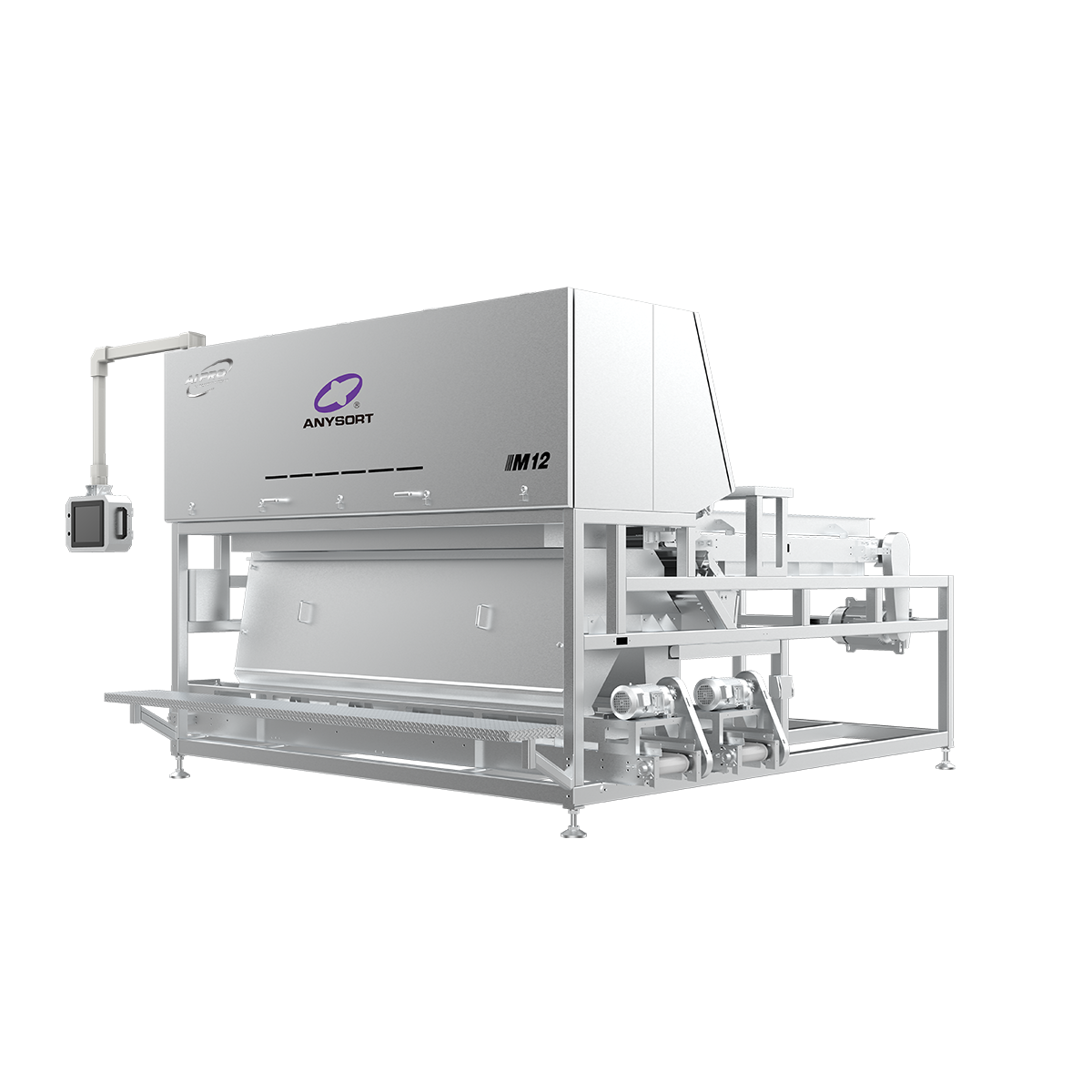
Coffee quality begins long before the bean reaches your cup. During processing and harvest, numerous defects compromise both flavor profile and marketability. Discolored beans, foreign matter, damaged kernels, and fungal-affected seeds are common challenges that manual sorting cannot fully address. Modern facilities now rely on advanced technology to ensure consistent quality standards. A coffee color sorting machine equipped with artificial intelligence has revolutionized how producers eliminate defects at scale, delivering precision that human workers cannot match.
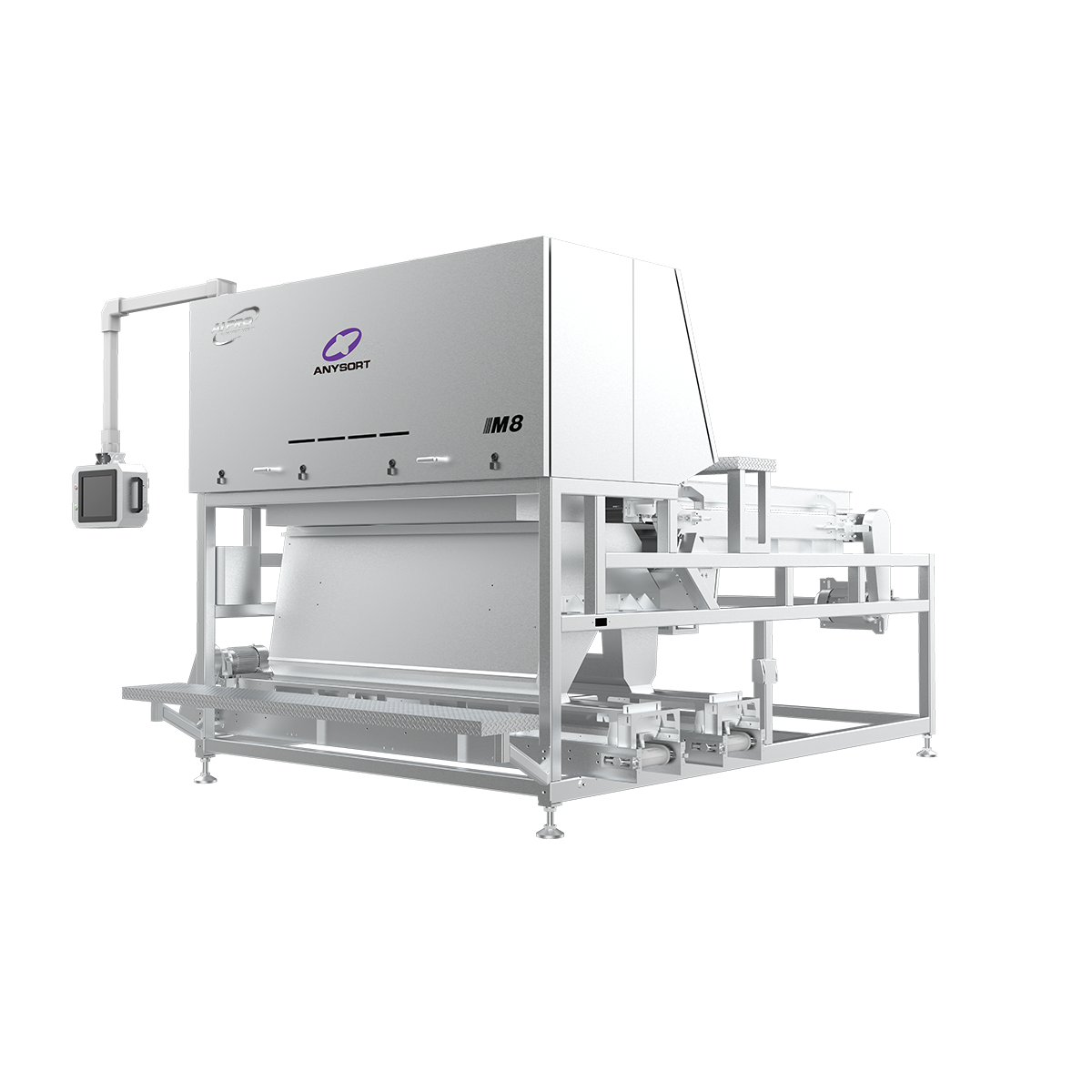
Understanding which defects a coffee color sorting machine can identify and remove is essential for processors seeking to improve output quality and efficiency. Each defect type requires specific optical detection capabilities and sorting logic. The investment in automated sorting technology pays dividends through waste reduction, higher premium-grade yields, and consistent batch standards that meet international export requirements and specialty coffee certifications.
Primary Defects Detected by Coffee Color Sorting Machines
Discolored and Damaged Beans
Discolored beans represent one of the most visible defects in any coffee lot. These include beans with black spots, brown streaks, pale or washed-out coloring, and uneven pigmentation across the kernel surface. A coffee color sorting machine uses advanced optical sensors to map the spectral signature of each bean as it travels along the sorting belt. Damaged beans showing cracks, splits, or surface erosion are flagged for removal before they reach packaging or roasting stages. This consistent detection ensures that only beans meeting strict color uniformity standards advance through the supply chain.
Immature and Over-fermented Beans
Immature beans appear lighter and retain a greenish tint compared to fully ripe coffee cherries. Over-fermented or moldy beans often display darker patches or discoloration resulting from microbial activity during fermentation. A coffee color sorting machine distinguishes these defective specimens by analyzing hue and luminosity data captured from high-resolution cameras. The machine's artificial intelligence model, trained on thousands of sample images, recognizes the subtle color variations that indicate fermentation problems or incomplete ripeness. Removing these beans prevents flavor defects such as grassy notes or off-tastes that would otherwise compromise final product quality.
Secondary and Environmental Defects Managed by Sorting Systems
Foreign Matter and Debris Ejection
Beyond bean quality, a coffee color sorting machine also removes physical contaminants introduced during harvest or processing. Stones, dirt particles, twigs, and processing residue often mix with beans on the sorting belt. The machine's optical system detects these foreign materials based on color, shape, and density patterns that differ markedly from genuine coffee beans. Pneumatic ejectors activate precisely when a contaminant is identified, removing it before it enters packaging. This capability significantly reduces the risk of equipment damage during roasting and grinding, while also protecting consumer safety and brand reputation.
Insect Damage and Pest-Affected Beans
Coffee beans affected by insects or pests often show entry holes, discoloration around damage zones, or surface irregularities caused by pest activity. A coffee color sorting machine identifies these compromised beans through a combination of color analysis and shape recognition algorithms. Pest-affected beans are automatically segregated, preventing quality loss and reducing the likelihood of pest populations spreading during storage or roasting. This automated detection is far more reliable than manual inspection, which can miss subtle damage markers or tire during long sorting sessions.
Technology and Accuracy of Modern Coffee Color Sorting Machines
Artificial Intelligence Sorting Precision
Contemporary coffee color sorting machines leverage deep learning and computer vision to achieve sorting accuracy exceeding 99 percent. Each coffee color sorting machine processes hundreds of beans per minute while maintaining frame-by-frame optical analysis. The machine's AI model continuously learns from feedback data, improving detection accuracy for emerging defect patterns and regional bean variations. Multi-spectral imaging captures color information across wavelengths invisible to the human eye, enabling the machine to detect subtle discoloration that indicates hidden defects or fermentation irregularities. This technological precision translates directly to higher-grade bean yields and reduced material waste compared to traditional screen sorting or manual labor.
Speed and Throughput Benefits
Processing capacity remains a critical factor in coffee production economics. A modern coffee color sorting machine handles 5 to 10 tons per hour, depending on model specifications and bean size distribution. This throughput far exceeds manual sorting rates while maintaining consistent quality standards across entire batches. The machine's speed enables processors to handle seasonal harvest volumes without bottlenecks, ensuring timely export shipments and market delivery. Reduced processing time also minimizes storage needs and preserves bean freshness during the sorting workflow, contributing to superior final product characteristics.
FAQ
What percentage of coffee defects can a coffee color sorting machine remove?
A modern coffee color sorting machine typically removes 95 to 99 percent of visible defects, including discolored beans, damaged kernels, foreign matter, and pest-affected specimens. The exact removal rate depends on defect visibility, machine calibration, and the specific model in use. Combining optical sorting with traditional screens and density separators often achieves the highest overall quality outcomes for premium coffee lots.
How does artificial intelligence improve a coffee color sorting machine's accuracy?
Artificial intelligence enables a coffee color sorting machine to learn patterns from thousands of training images, recognizing defects across regional variations and processing methods. The AI continuously adapts to new defect types and subtle color variations that indicate quality issues. Machine learning models allow the coffee color sorting machine to distinguish between similar-looking beans more reliably than static programmed rules, improving accuracy while reducing false rejections of acceptable beans.
Can a coffee color sorting machine replace all other quality control steps?
While a coffee color sorting machine excels at removing color-based and visible defects, comprehensive quality assurance typically combines optical sorting with density separation, moisture analysis, and sensory cupping. The coffee color sorting machine handles the high-volume screening efficiently, but specialty coffee producers often retain manual inspection for final lots destined for premium markets. This layered approach ensures that defects missed by any single method are captured by subsequent quality checkpoints.