
 EN
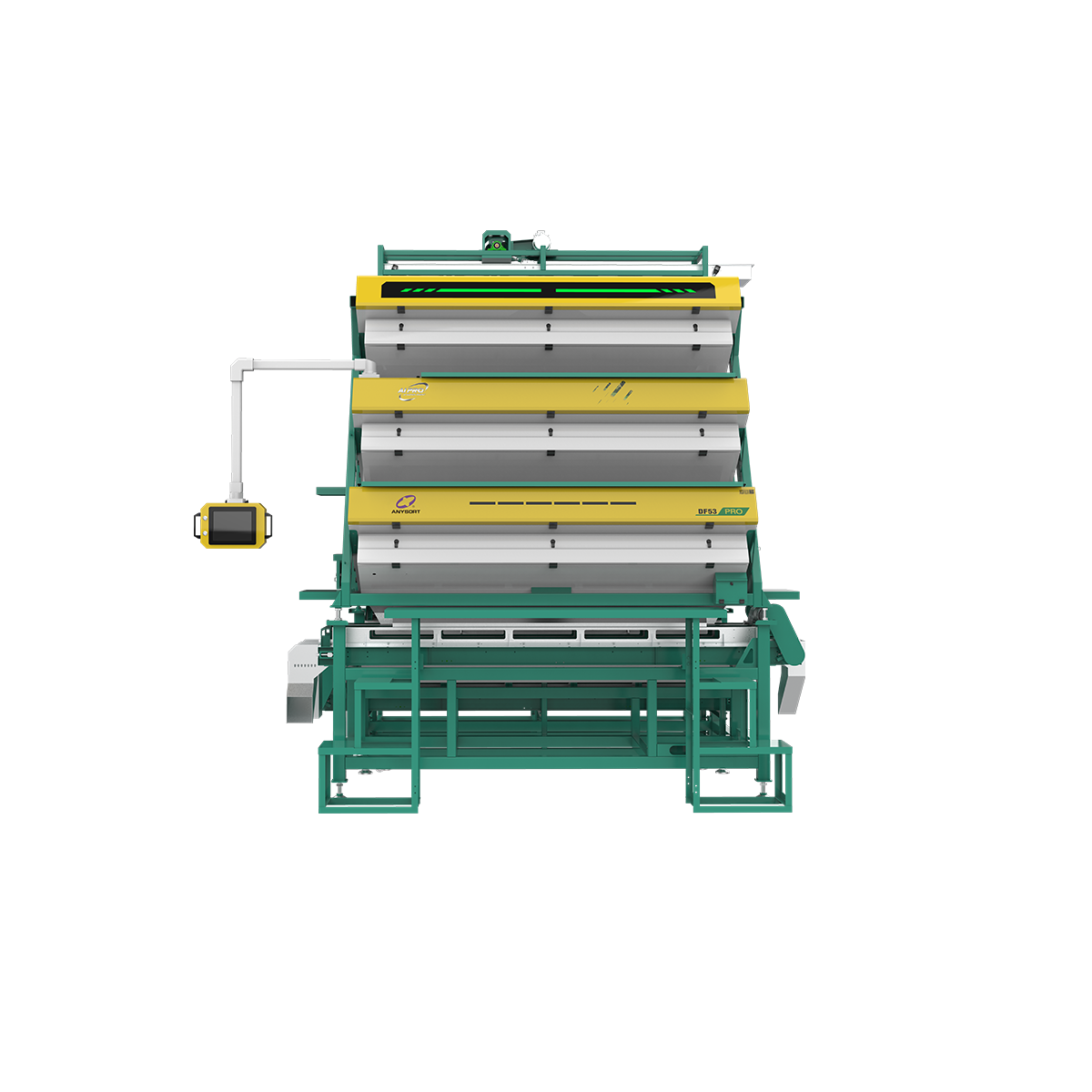
The tea industry demands precision in quality control, and a tea color sorter represents one of the most advanced solutions for maintaining consistency and purity. While standard sorting equipment processes tea by basic visual characteristics, modern tea color sorters equipped with infrared technology detect impurities, defects, and quality variations that conventional systems simply cannot identify. This distinction matters significantly for producers seeking to meet international quality standards and protect brand reputation in competitive global markets.
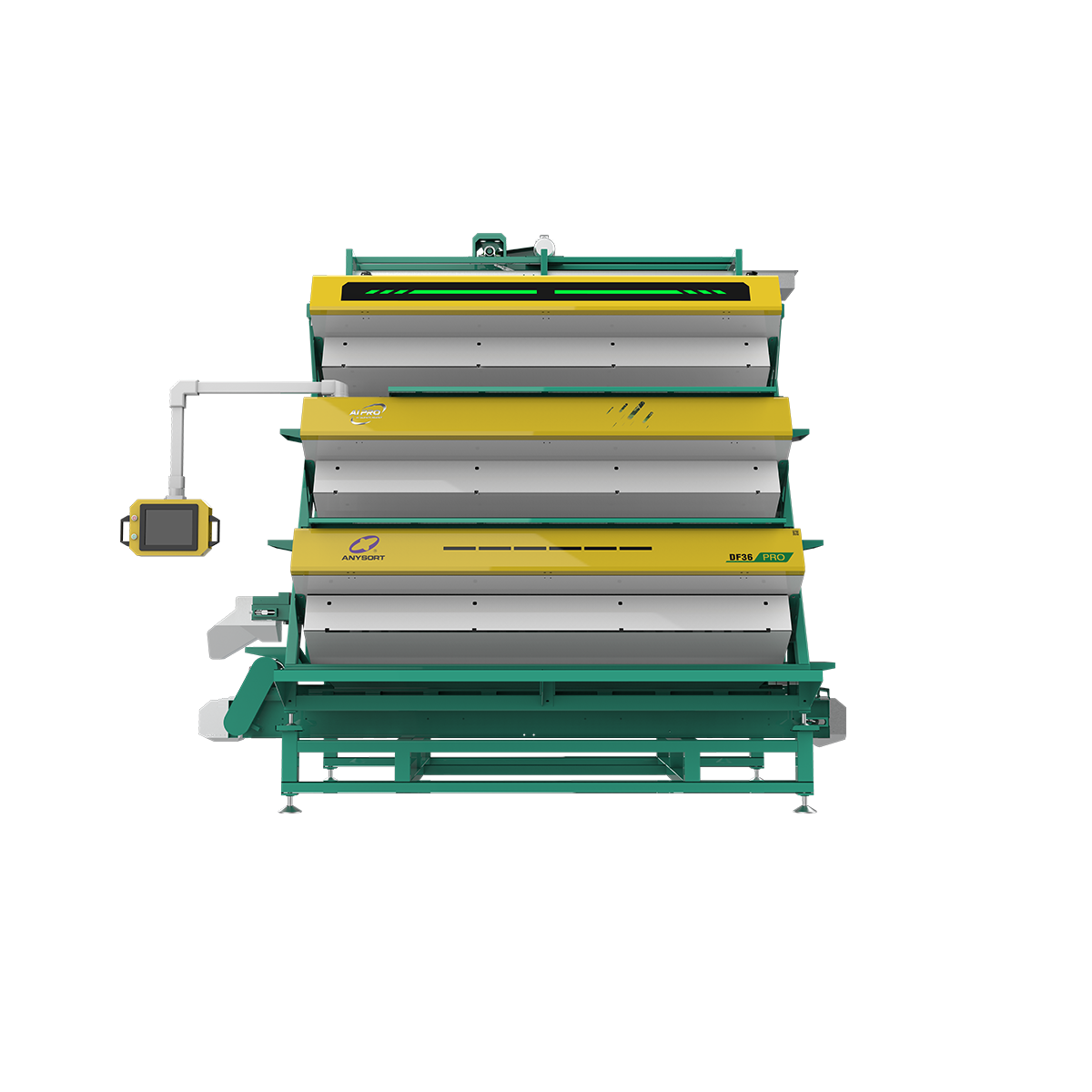
Understanding what a tea color sorter can achieve requires examining the limitations of traditional sorting methods and the technological advantages that infrared detection brings to tea processing. Standard sorters rely on cameras that perceive visible light spectrum only, missing crucial indicators embedded in infrared wavelengths. A tea color sorter using infrared technology penetrates surface appearances to reveal moisture content variations, thermal signatures of contaminants, and internal quality markers invisible to human eyes or basic optical systems.
How Infrared Technology Outperforms Standard Sorting Methods
Detection Capabilities Beyond Visible Light
A professional tea color sorter leveraging infrared sensors captures data across wavelengths that standard sorters cannot access. While conventional color-based sorting equipment evaluates only what the human eye perceives—surface color, size, and obvious debris—infrared technology reads thermal properties and material composition. This means a tea color sorter can identify contaminants like plastic fibers, certain insect fragments, and mold-affected particles that appear similar in color to legitimate tea leaves under visible light but register distinctly different signatures in the infrared spectrum.
The infrared sensors in an advanced tea color sorter measure heat absorption and reflection patterns unique to different materials. Moisture content creates distinctive thermal signatures; a tea color sorter can therefore detect leaves with abnormal moisture levels that indicate improper drying, fermentation issues, or storage problems. Standard sorters miss these critical quality indicators because they lack the sensory capability to measure thermal properties, leading to mixed batches of inconsistent quality reaching consumers.
Precision in Moisture and Contamination Detection
Moisture distribution within tea leaves significantly impacts flavor, shelf life, and processing efficiency. A tea color sorter equipped with infrared technology measures moisture content variation across individual particles with remarkable accuracy. Some leaves may appear visually acceptable but harbor internal moisture pockets that compromise quality; only a tea color sorter with infrared capabilities can flag these problematic particles before they enter final product batches. This precision prevents customer complaints, reduces waste, and protects premium product margins.
Contaminant detection represents another critical advantage where a tea color sorter surpasses standard equipment. Metal fragments, glass shards, and certain plastics generate characteristic thermal signatures that infrared sensors reliably identify. A tea color sorter utilizing infrared wavelengths detects these hazardous materials even when they are small enough to escape visible detection or when they closely match leaf color. Standard sorters often miss metallic contaminants that partially blend with dark tea varieties, whereas an infrared-capable tea color sorter catches these safety hazards consistently.
Specific Impurities and Defects an Infrared Tea Color Sorter Detects
Hidden Quality Defects Missed by Conventional Equipment
Fermentation quality profoundly affects tea flavor profiles and market value. A tea color sorter with infrared technology reveals fermentation inconsistencies by detecting subtle thermal variations that indicate incomplete or excessive fermentation. Leaves that appear properly colored but underwent irregular fermentation processes register differently under infrared analysis; a tea color sorter captures these anomalies and automatically removes substandard particles. Standard color sorters cannot distinguish between correctly fermented leaves and those with internal fermentation defects because this quality marker exists beyond the visible light spectrum.
Oxidation levels, critical for determining tea classification and market grade, become measurable through infrared analysis. A tea color sorter can differentiate between correct oxidation states and over-oxidized or under-oxidized leaves by analyzing their thermal properties and spectral reflectance. This capability ensures a tea color sorter maintains strict consistency across production batches, protecting the integrity of tea grade certifications and meeting buyer specifications with exceptional reliability that standard sorters cannot achieve.
Biological and Chemical Contaminants
Fungal growth and mold present serious food safety concerns that standard sorters frequently miss. Mold-affected leaves may visually resemble healthy tea but emit distinct thermal signatures detected by infrared sensors in an advanced tea color sorter. A tea color sorter scanning with infrared technology identifies early-stage fungal contamination before it becomes visible, preventing contaminated batches from progressing through production. This safety advantage makes a tea color sorter an essential investment for producers managing high-volume production where human inspection cannot reliably catch all problematic particles.
Insect fragments and biological contaminants create thermal patterns distinguishable from tea leaves through infrared analysis. A tea color sorter equipped with infrared sensors detects protein-based residues, insect wings, and parasitic debris with consistency impossible for standard sorting systems. The infrared spectral signatures of these biological contaminants differ markedly from plant material, enabling a tea color sorter to achieve food safety standards that meet or exceed regulatory requirements across international markets. Standard sorters based on color and size alone cannot reliably eliminate these biological hazards.
Practical Business Impact of Advanced Tea Color Sorter Technology
Quality Consistency and Market Compliance
Tea producers utilizing an infrared-equipped tea color sorter achieve consistency metrics that translate directly to customer satisfaction and market compliance. By detecting impurities standard sorters miss, a tea color sorter reduces batch rejection rates at buyer facilities and minimizes product recalls. This reliability builds brand trust and justifies premium positioning in competitive markets where quality consistency commands price differentiation. A tea color sorter investment protects revenue streams by preventing expensive product recalls and reputation damage from quality failures.
Regulatory compliance across different markets demands consistent food safety standards. A tea color sorter meeting or exceeding these requirements through infrared technology provides documented evidence of rigorous quality control to certifying bodies and international buyers. Export markets increasingly require traceability and documented contamination detection procedures; a tea color sorter with advanced infrared capabilities supplies this documentation automatically, streamlining compliance workflows and reducing audit friction with major purchasers.
Operational Efficiency and Waste Reduction
While a tea color sorter requires upfront capital investment, the operational savings justify the expense through reduced waste and labor costs. Automated detection of impurities standard sorters miss eliminates the need for secondary manual inspection rounds. A tea color sorter processes tea continuously with consistent accuracy, reducing labor-intensive quality checking that slows production throughput. For large-scale producers, a tea color sorter's ability to catch impurities automatically translates to faster processing, lower defect rates, and higher production efficiency that compounds cost savings across production cycles.
Contamination detection through a tea color sorter prevents costly rejections at downstream points in the supply chain. When buyers discover impurities standard sorters missed, they may refuse entire shipments or demand credits, disrupting revenue and supplier relationships. A tea color sorter eliminates these costly scenarios by catching contaminants before shipment, protecting profit margins and maintaining buyer relationships that depend on consistent, reliable quality delivery.
FAQ
What specific wavelengths does an infrared tea color sorter use for detection?
An infrared tea color sorter typically operates across the near-infrared and short-wavelength infrared spectrum, roughly 700 to 2500 nanometers, where material composition generates distinctive thermal signatures. This wavelength range penetrates surface characteristics to reveal internal properties like moisture content, material density, and chemical composition that determine tea quality. Different contaminants and defects absorb and reflect infrared wavelengths differently than tea leaves, enabling a tea color sorter to achieve high detection specificity and minimize false rejects that waste usable product.
How does a tea color sorter compare to basic RGB color sorting equipment?
Basic RGB color sorters evaluate only visible light wavelengths that human eyes perceive, detecting surface color, size, and obvious debris but missing internal quality markers. A tea color sorter with infrared capability accesses data across additional wavelengths, revealing moisture variations, thermal anomalies, and contamination types that standard sorters cannot detect. While RGB sorters cost less initially, a tea color sorter prevents more quality failures and contamination issues, delivering superior long-term value through fewer recalls, higher buyer satisfaction, and reduced waste in premium product categories.
Can a tea color sorter eliminate the need for manual quality inspection entirely?
A modern tea color sorter significantly reduces manual inspection requirements but does not completely eliminate all quality checks depending on regulatory requirements and buyer specifications. An infrared-equipped tea color sorter handles high-volume, objective contamination detection reliably, removing most manual sorting burden and labor costs. However, some producers may maintain periodic verification sampling to document sorter performance and ensure continued compliance with certification standards. A tea color sorter represents the primary quality control layer, supported by strategic spot-checking that confirms the system's consistent performance rather than replacing it entirely.