
 EN
EN
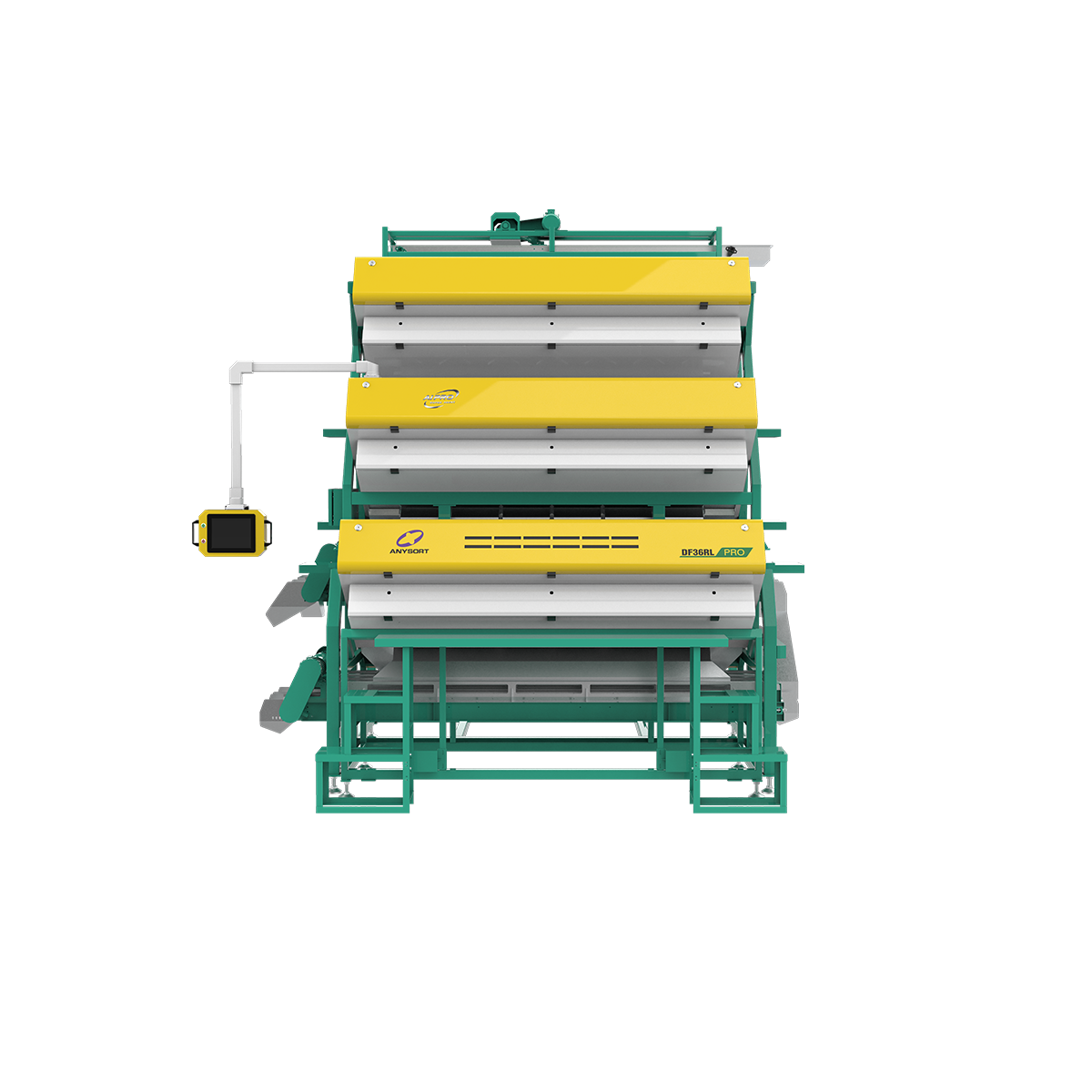
Selecting the right tea color sorter is one of the most critical decisions tea processors face when modernizing their operations. A tea color sorter directly impacts product quality, operational efficiency, and market competitiveness. The wrong choice can lead to inconsistent sorting, wasted product, and increased labor costs. Understanding how to evaluate and choose a tea color sorter tailored to your specific needs ensures that your investment delivers measurable returns and maintains your competitive edge in the tea industry.
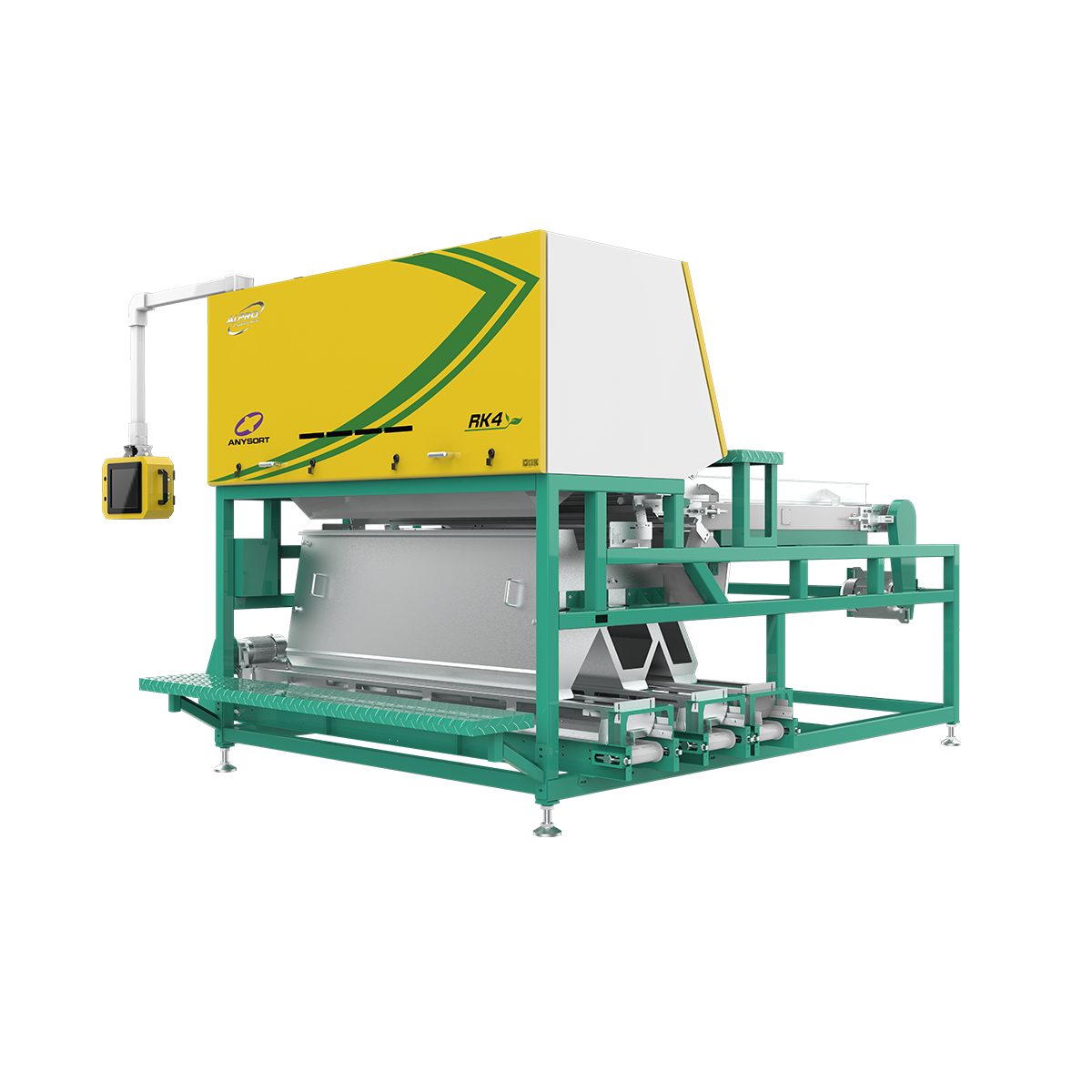
A tea color sorter uses advanced optical and artificial intelligence technology to separate tea leaves by color, size, and quality in real time. Modern systems can process hundreds of kilograms per hour while maintaining accuracy levels that manual sorting cannot achieve. Choosing the right tea color sorter requires careful assessment of your production volume, tea varieties, quality standards, and budget constraints. This guide walks you through the essential factors that should inform your decision.
Understanding Your Production Volume and Capacity Needs
Evaluating Throughput Requirements for Your Tea Color Sorter
The first step in selecting a tea color sorter is determining your daily production volume. Different tea color sorter models are designed for different throughput capacities, typically ranging from 50 kilograms per hour to over 1,000 kilograms per hour. If your facility processes 500 kilograms daily, a tea color sorter rated for 300 kilograms per hour may create bottlenecks during peak seasons. Conversely, investing in an oversized tea color sorter wastes capital and floor space. Calculate your current volume plus projected growth over the next three to five years to identify the appropriate capacity range for your tea color sorter.
Matching Tea Color Sorter Capacity to Seasonal Variations
Tea production is inherently seasonal. Many tea processors experience significant fluctuations in raw material volume throughout the year. Your tea color sorter must handle peak season demand without creating delays or compromising quality. Some facilities choose a tea color sorter sized for average throughput and implement batch processing strategies during high-demand periods. Others invest in a higher-capacity tea color sorter to maintain consistent processing speeds year-round. The right approach depends on your facility layout, available labor, and storage capacity. Document your monthly processing patterns for the past two years to guide this assessment of your ideal tea color sorter size.
Assessing Sorting Accuracy and Quality Standards
Color Discrimination Capability in Your Tea Color Sorter
Sorting accuracy is the core function of any tea color sorter. Modern systems use multispectral imaging and machine learning to distinguish between subtle color variations that human sorters often miss. When evaluating a tea color sorter, request demonstrations using your actual tea samples across different grades and processing stages. A high-quality tea color sorter should achieve at least 98 percent accuracy in distinguishing between acceptable and rejected material. The tea color sorter should also provide adjustable sensitivity settings so you can fine-tune rejection thresholds based on your specific quality standards. Test how effectively each tea color sorter handles your most challenging sorting scenarios.
Supporting Multiple Tea Varieties with Your Tea Color Sorter
If your facility processes multiple tea types—green tea, black tea, oolong, or white tea—your tea color sorter must adapt to different color profiles and sorting criteria. Some tea color sorter systems come with pre-programmed sorting recipes for common tea varieties, while others allow custom configuration. A flexible tea color sorter reduces the retraining time needed when switching between products. Ask vendors how quickly their tea color sorter can transition between different sorting programs and whether configuration changes require technician assistance. This flexibility directly impacts your ability to maximize machine utilization across diverse product lines.
Evaluating Technology, Maintenance, and Support
Technology Platform and Artificial Intelligence Integration in Your Tea Color Sorter
The technology foundation of your tea color sorter determines its adaptability and long-term value. Systems featuring artificial intelligence and cloud connectivity offer self-learning capabilities that improve sorting accuracy over time. A tea color sorter with cloud integration enables remote diagnostics, updates, and performance monitoring. This level of technological sophistication helps you avoid costly downtime and adapt your sorting parameters based on real-time data analysis. Consider whether the vendor provides ongoing software updates for your tea color sorter and whether their cloud platform tracks sorting metrics that inform your quality control efforts.
Spare Parts Availability and Vendor Support for Your Tea Color Sorter
Long-term success with your tea color sorter depends on reliable maintenance and readily available replacement parts. Before purchasing, verify that your tea color sorter vendor maintains local stock of critical components such as imaging sensors, rejection modules, and control electronics. Ask about the average response time for service calls and whether the vendor offers preventive maintenance programs. A tea color sorter from a vendor with weak local support can become a liability if critical failures occur during peak season. Establish clear service level agreements with your tea color sorter supplier to ensure they can respond quickly to technical issues.
Calculating Return on Investment and Total Cost of Ownership
Capital Investment and Operating Expenses for Your Tea Color Sorter
Purchasing a tea color sorter represents a significant capital investment, typically ranging from $30,000 to $150,000 depending on capacity and features. However, the true cost of ownership extends beyond the purchase price. Factor in installation, operator training, electricity consumption, maintenance contracts, and eventual replacement of wear components. A robust tea color sorter should operate reliably for eight to ten years with proper maintenance. Calculate the cost per ton of processed tea material to compare different tea color sorter options on an equivalent basis. Most tea processors recover their tea color sorter investment within two to four years through reduced waste, improved product consistency, and labor savings.
Quantifying Productivity Gains from Your Tea Color Sorter
Beyond direct cost savings, a tea color sorter generates value through productivity improvements. Manual sorting typically processes 10 to 20 kilograms per hour per person and introduces inconsistency. A tea color sorter eliminates this variability and processes material at 10 to 100 times higher rates depending on the model. Document your current defect rates and labor hours dedicated to sorting before implementing a tea color sorter. After installation, you can quantify the reduction in waste percentage and number of sorting staff hours redirected to higher-value tasks. Many tea processors discover that their tea color sorter pays for itself primarily through waste reduction rather than labor savings alone.
FAQ
What makes a tea color sorter different from a basic metal detector or gravity separator?
A tea color sorter uses optical imaging and artificial intelligence to evaluate color, shape, and quality characteristics of individual tea leaves. Metal detectors only identify metallic contamination, while gravity separators sort by weight and size. The tea color sorter addresses quality issues that other equipment cannot detect, such as leaf discoloration, improper processing, foreign material, and insect damage. This combination of capabilities makes the tea color sorter uniquely suited for quality control in tea processing.
How long does it take to install and train staff on a new tea color sorter?
Most tea color sorter installations take three to seven days including equipment setup, calibration, and initial configuration. Staff training typically requires two to five days depending on your team's technical background and the tea color sorter system complexity. Vendors usually provide on-site installation support and can schedule training sessions that minimize disruption to your production schedule. Plan for a gradual ramp-up period where operators become familiar with the tea color sorter interface and learn to interpret performance metrics and adjustment options.
Can a single tea color sorter handle different leaf sizes and grades simultaneously?
Most modern tea color sorter systems can be configured to sort mixed materials by grade and color in a single pass. However, some operations prefer to pre-screen material by size before using the tea color sorter for color and quality sorting. A versatile tea color sorter supports both approaches, allowing you to optimize your specific workflow. Consult with the vendor about whether their tea color sorter can handle your full range of leaf sizes without requiring separate processing stages or equipment adjustments.