Set Out the Job First
A color sorter machine works on a real sorting job. Start with the material as it enters the line. State the size and the form of each piece. Note color changes, broken parts, foreign bits, dust, oil, or water on the surface. For grain and pulses, this may mean a list of grain types and visible defects. For tea, ore, or recycled plastic, it may mean a list of colors, shapes, and mixed items. This short record gives the color sorter machine team facts to review.
Next, state what the line must make. The goal may be to take out bad items, split grades, or form a clean stream for the next step. A color sorter machine can be part of that plan, but a model name does not set the full plan. The material and the goal must be clear first. If key facts are not known, mark them as open points. A sample check or an agreed review can help close those points.
Check How Material Moves
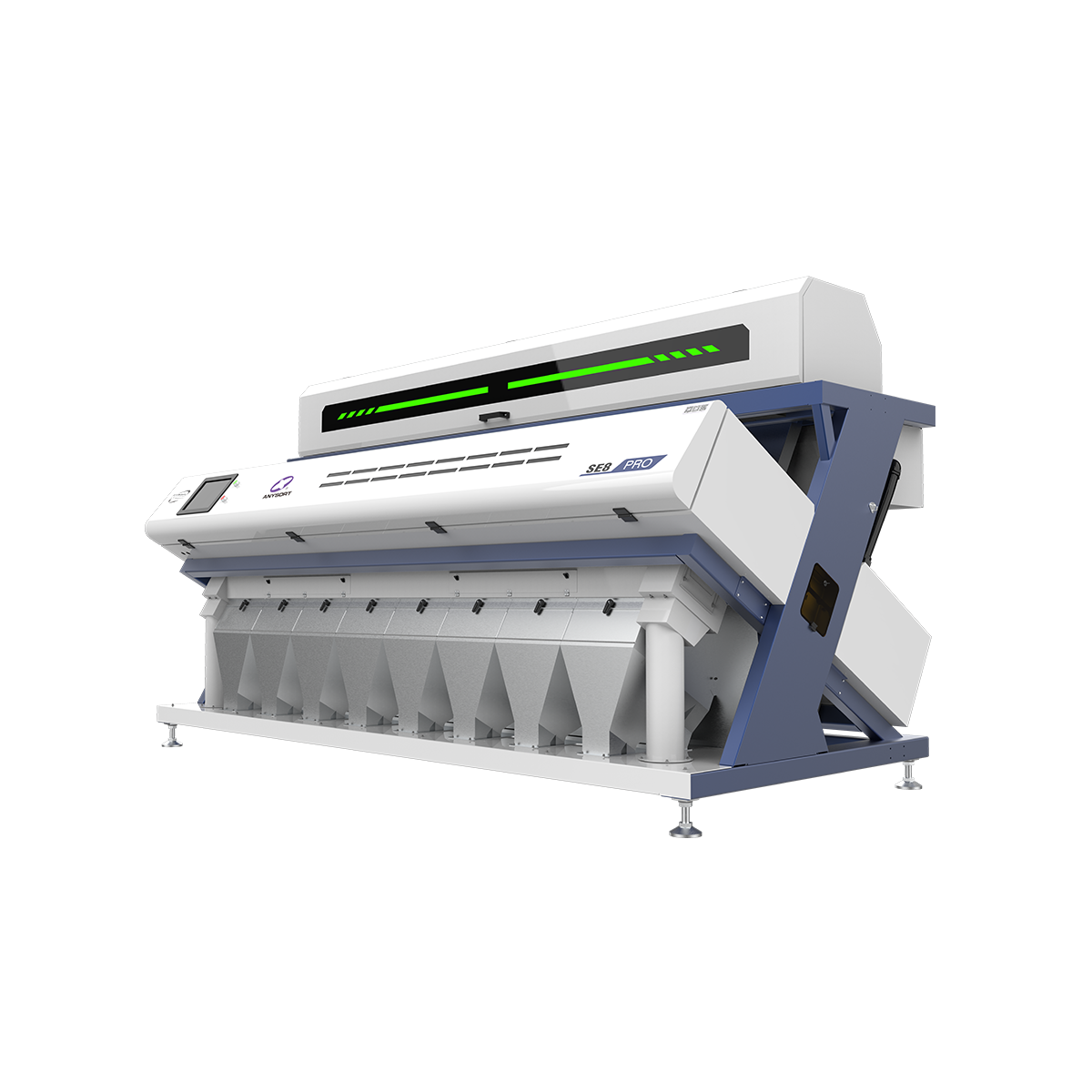
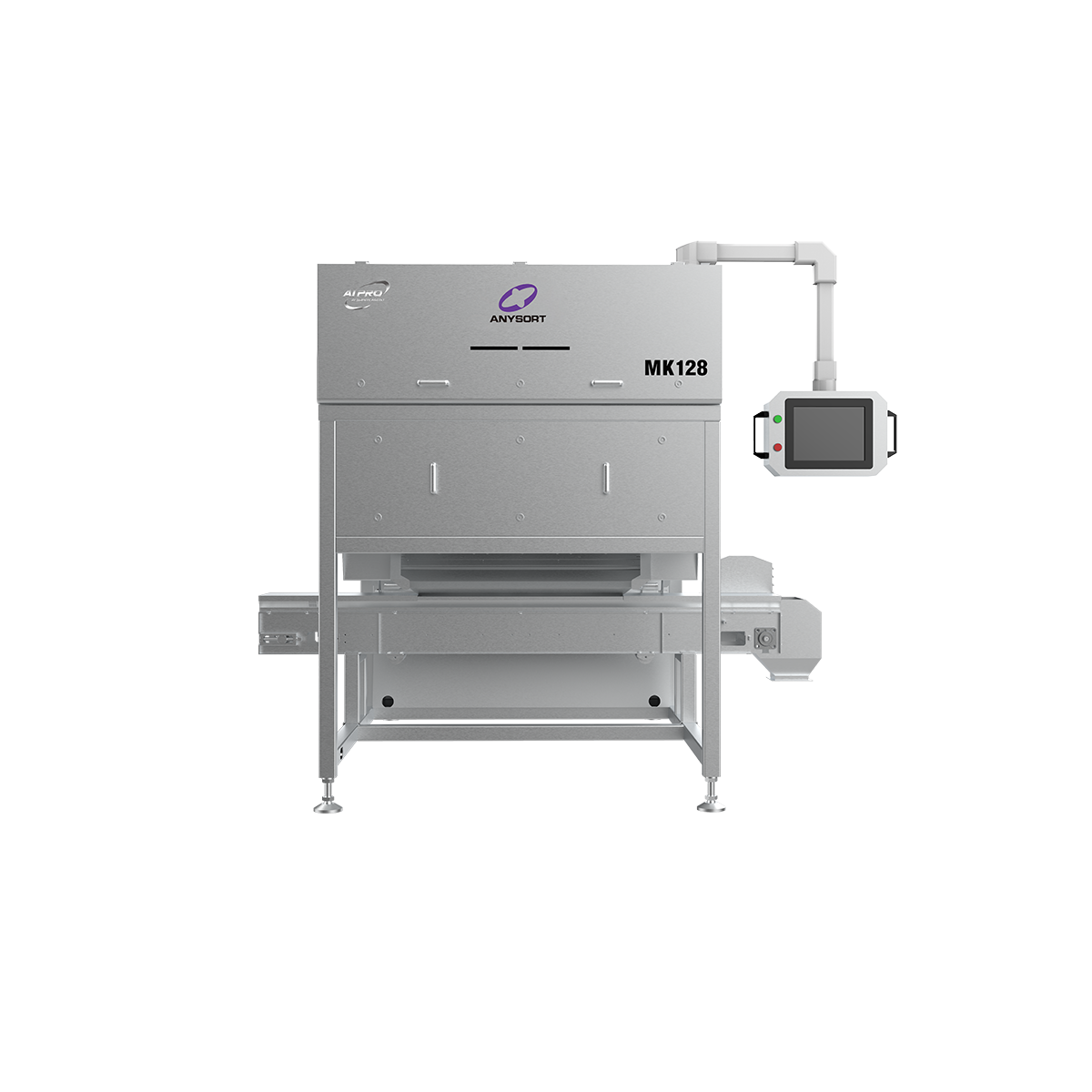
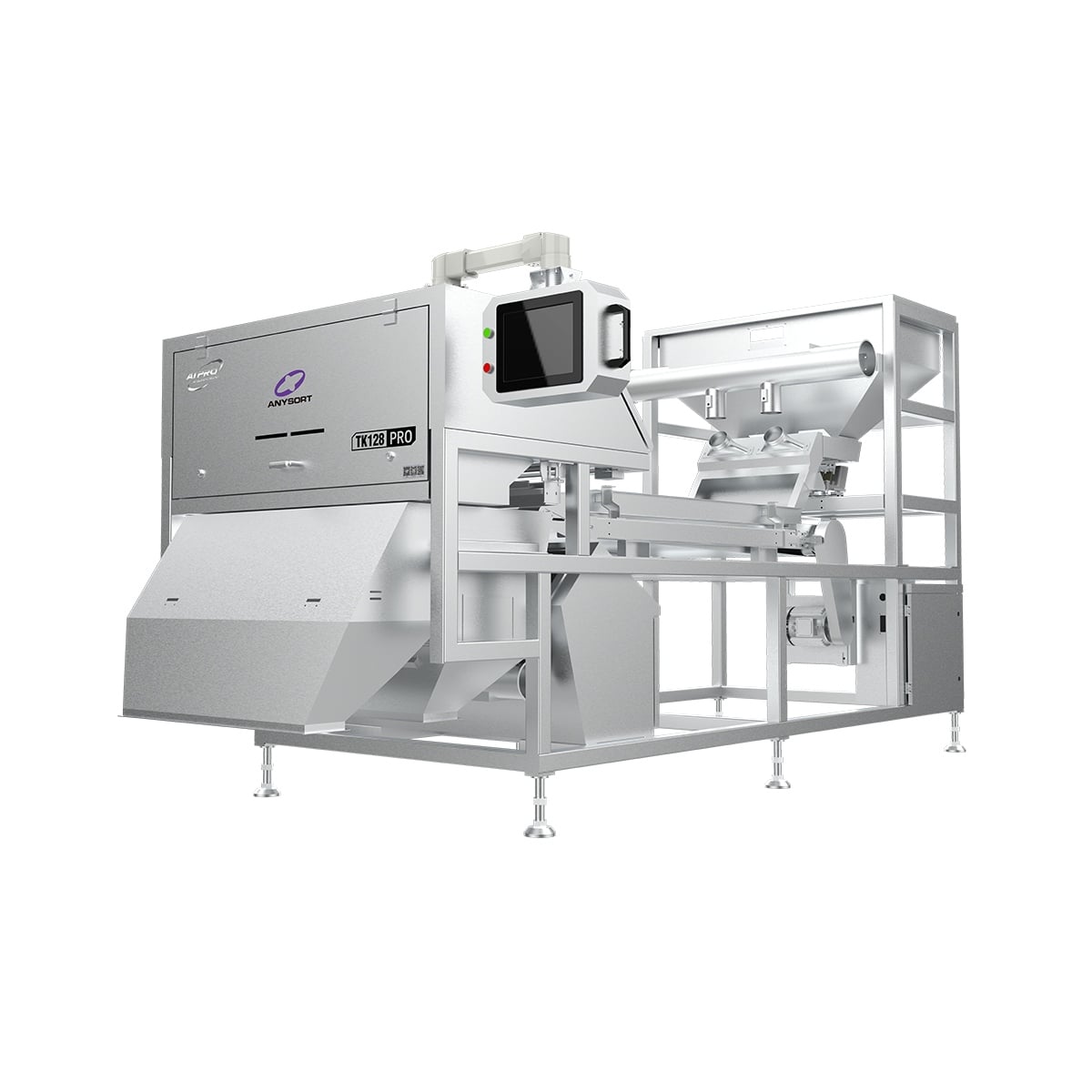
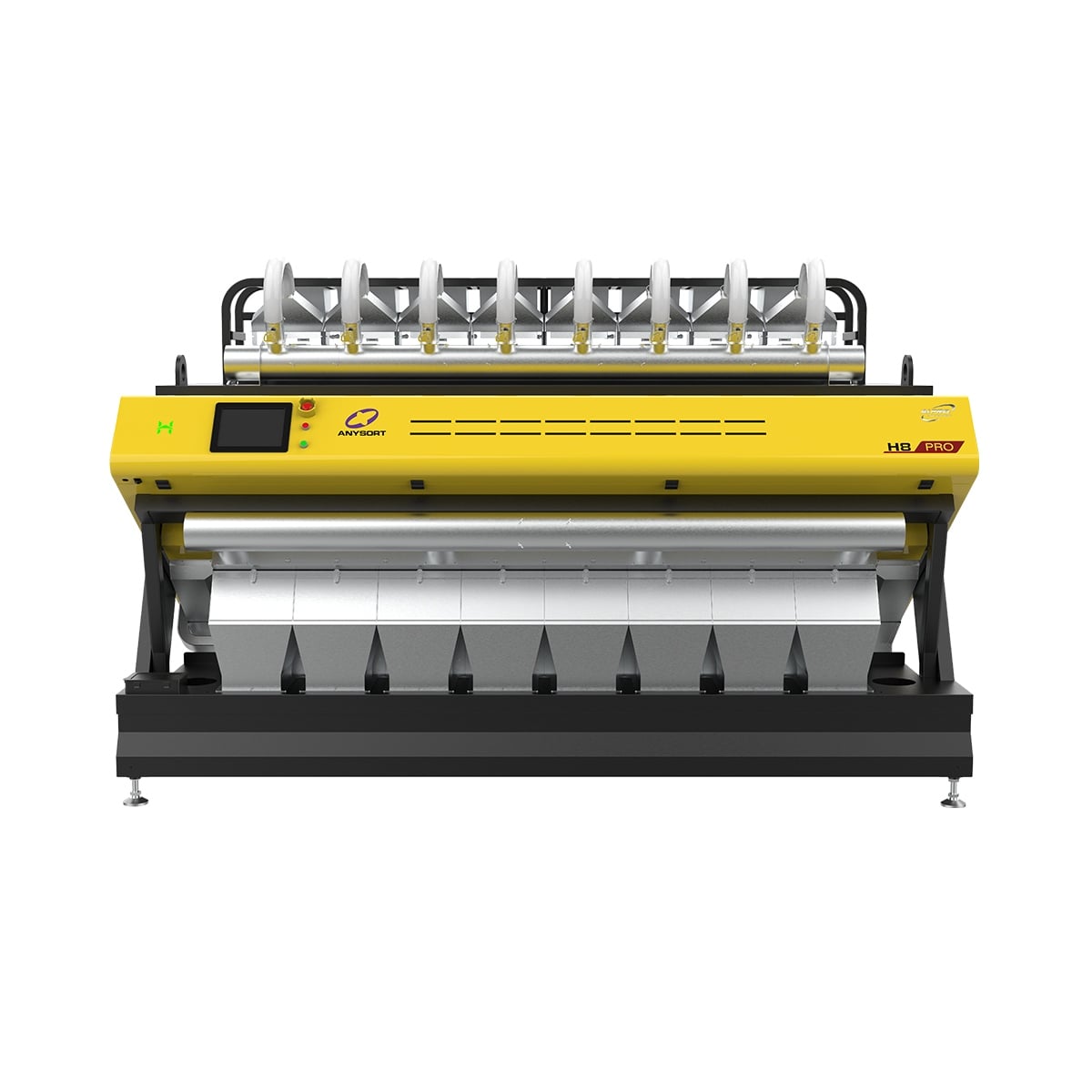
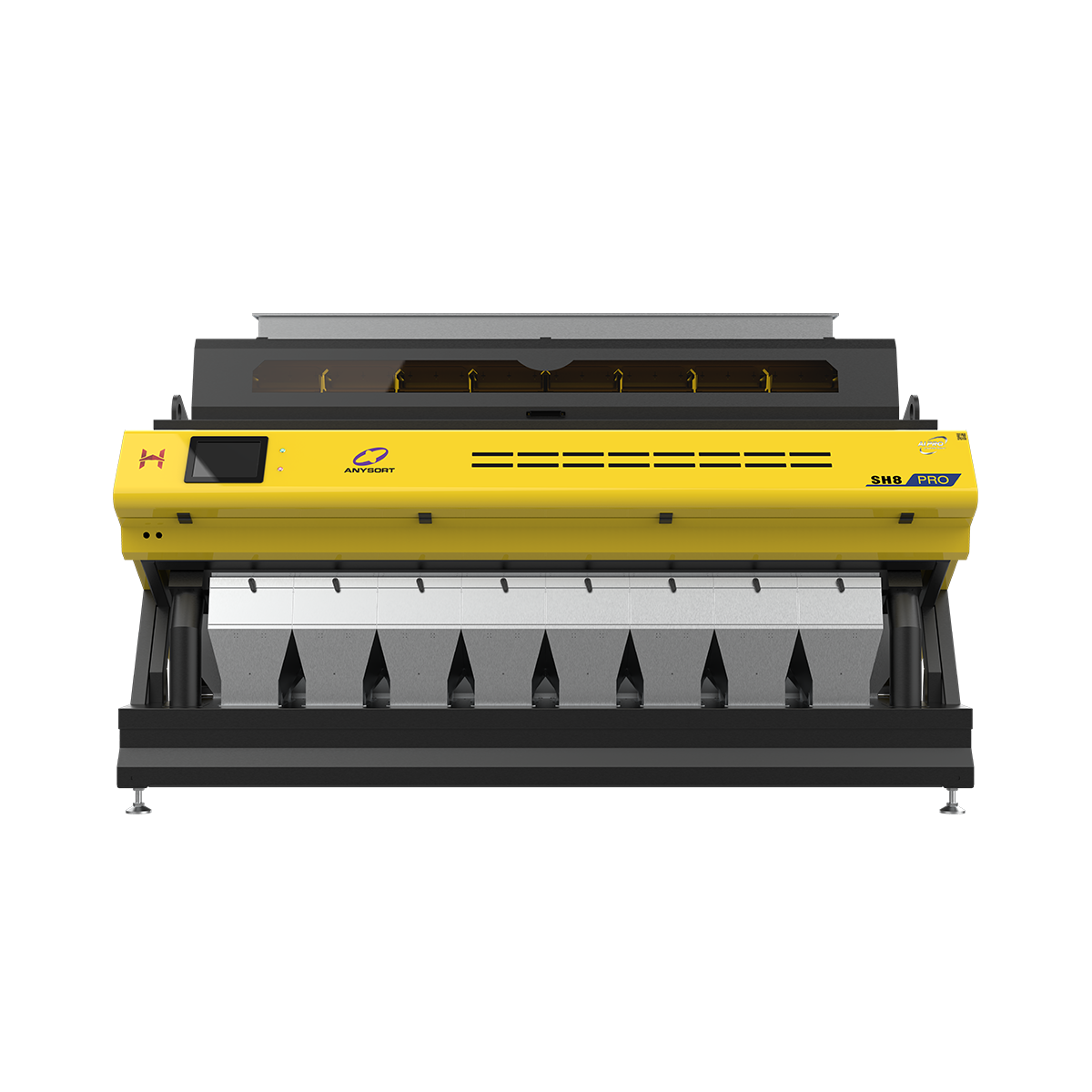
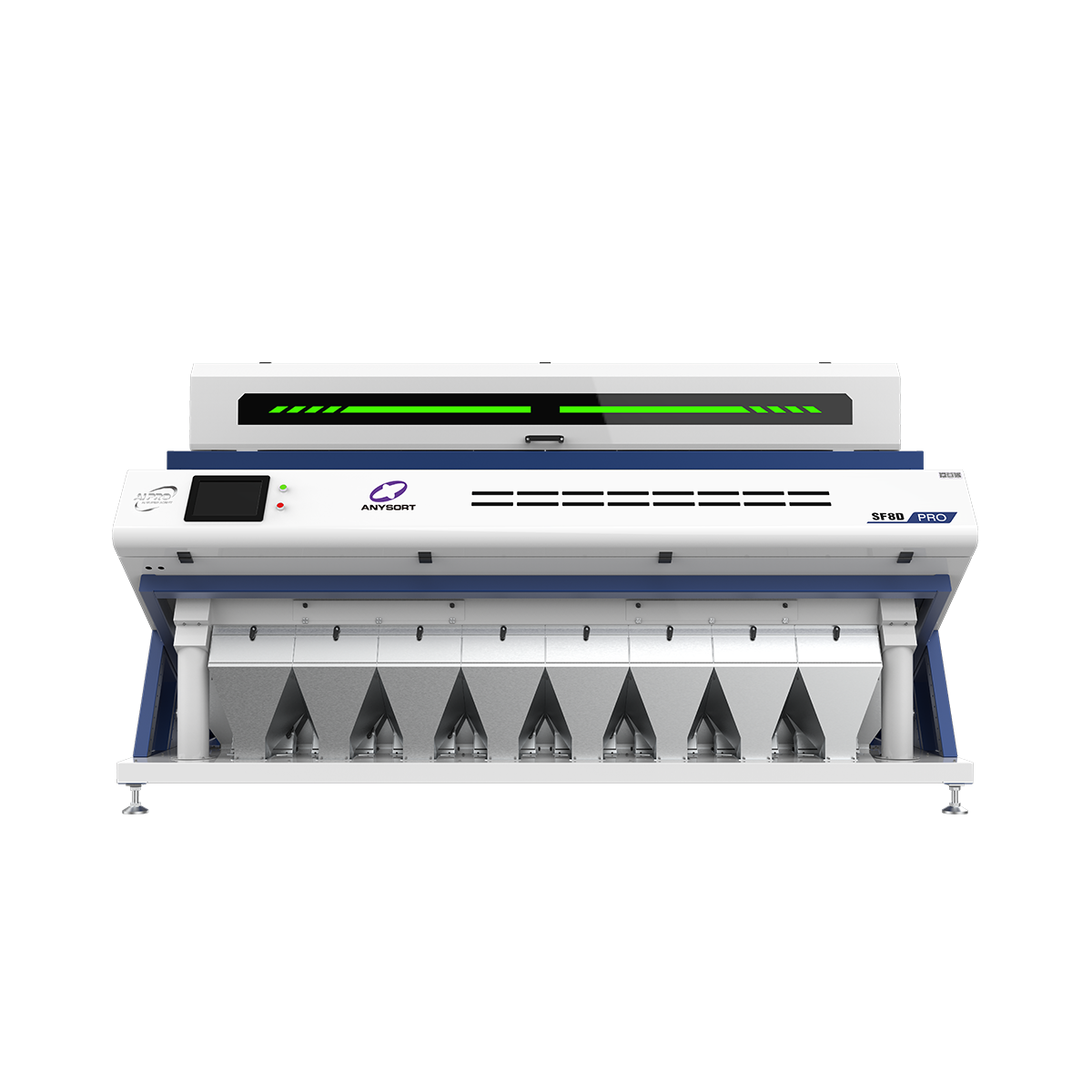
Material flow is a key part of color sorter machine selection. The H Series is a listed multi-functional grain AI cloud quality sorter. The SH Series is listed for small-particle grain. The MK Series is a slow-speed multi-functional grain AI cloud quality sorter. The TK PRO Series is a high-speed single-layer grain AI cloud quality sorter. These real catalog names help start a color sorter machine comparison. They do not prove that a model will fit each line.
- Check how material feeds into the color sorter machine and whether the flow is even enough for the planned setup.
- List the conveyors, dust gear, and other units that link to the color sorter machine.
- State if the material is soft, oily, wet, or hard to clean, since this can change the review.
- Map the good and reject streams after the color sorter machine so the next step is clear.
For an optical sorting machine, line fit matters as much as the product name. A color sorter machine that suits one feed path may need a new review if the incoming material changes. The same is true when a plant adds a new grade or moves the machine to a new point in the line.
Send Useful Details With an Inquiry
A clear inquiry helps the team give a useful first reply. Tell them what the material is and what the color sorter machine should sort. Give photos or sample facts when you can share them. State the feed method, the line position, the space, and the power at the site. Explain how the sorted stream will be used. This lets the color sorter machine talk focus on the project, not on broad claims.
Also split known facts from choices that still need review. Known facts can guide the first color sorter machine discussion. Open questions can cover the final setup, the line link, and the test rules. Do not treat a broad feature note as proof for a specific plant. Ask for the documents or operating notes that apply to the option under review. Keep their limits clear.
Use Checks to Guide the Choice
Checks help reduce risk when you choose a color sorter machine. Ask which material facts the team needs and what it should check before it makes a proposal. Talk through the defect list, the material changes, the feed flow, the output streams, and the line links. This gives both sides a clear list of tasks.
ANYSORT states that it works in AI-driven photoelectric color sorting for grain, mixed grains, tea, ore, and recycled plastic. That scope can open a useful color sorter machine talk. The final choice should still depend on the project material, line needs, and agreed checks. Use the inquiry form to send those facts. The team can then review a color sorter machine option, an optical sorting machine need, and any points that remain open. This approach makes a color sorter machine comparison easier to document and review.

 EN