
 EN
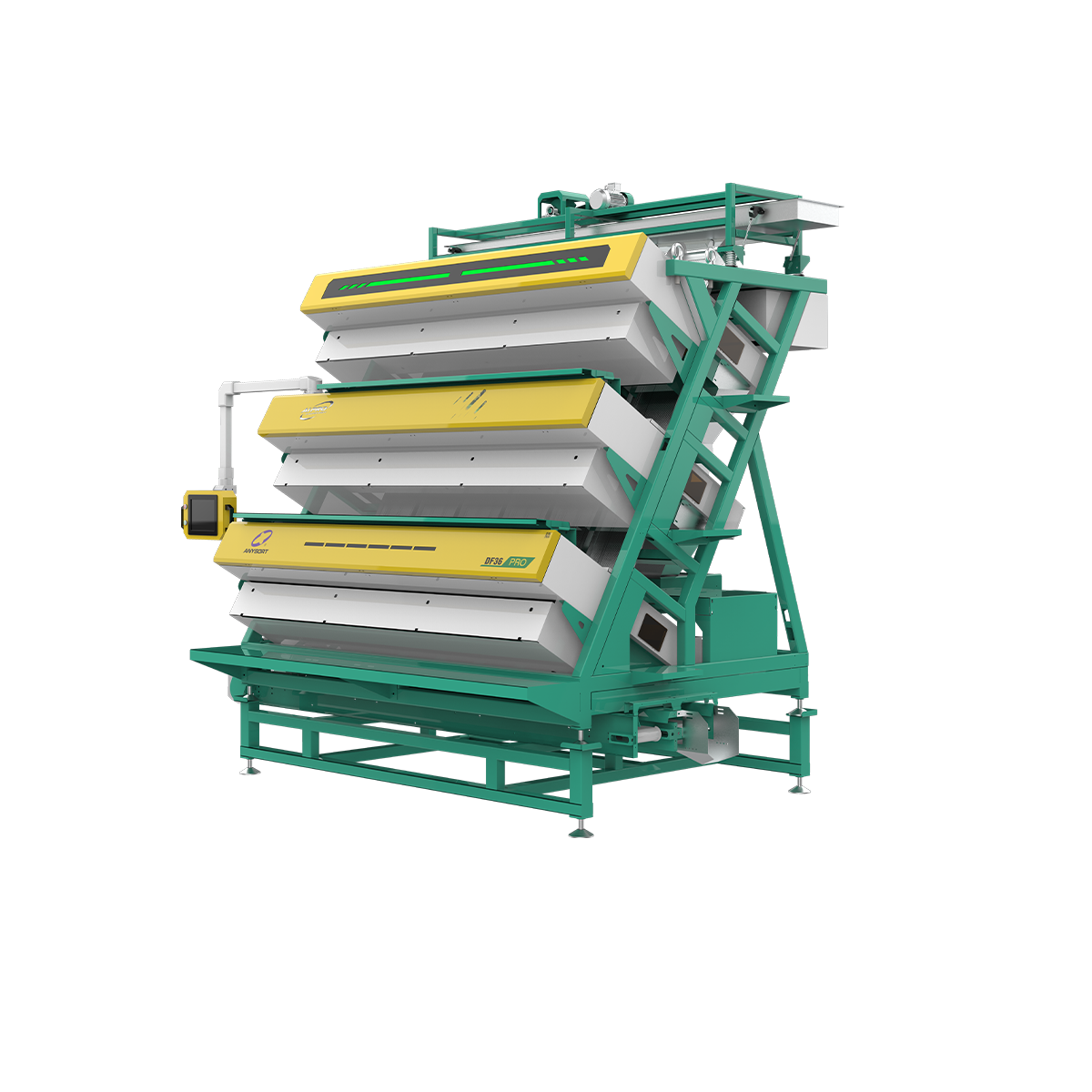
Tea quality depends on removing unwanted materials during processing, and a tea color sorter machine is the most effective way to achieve this goal. Whether you're processing oolong, green, white, or black tea, a modern tea color sorter machine uses advanced optical technology to detect and separate stems, yellow leaves, debris, and foreign matter from premium tea leaves. This automated approach dramatically reduces manual labor, improves consistency, and increases the final product's market value.
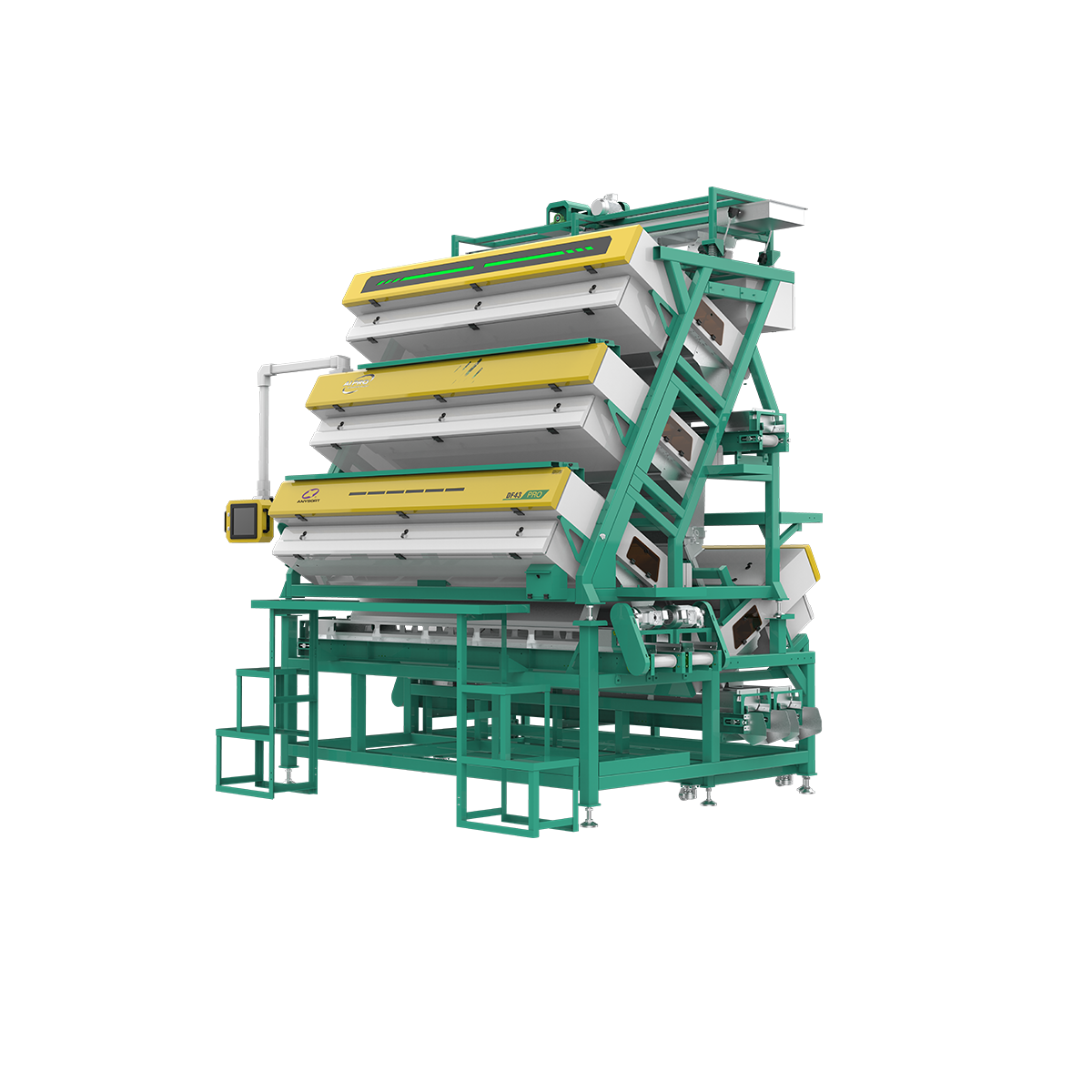
The global tea industry faces persistent challenges in quality control, cost management, and meeting buyer specifications. A tea color sorter machine addresses all three by combining visual analysis, infrared detection, and intelligent sorting algorithms. Understanding how these machines work, what they remove, and which applications they serve best will help tea processors invest wisely and optimize their operations.
How Tea Color Sorter Machine Technology Works
Optical Detection and Color Analysis
A tea color sorter machine begins by scanning each tea leaf as it passes through an optical chamber. High-resolution cameras and color sensors capture detailed images of every particle, measuring hue, brightness, texture, and size in milliseconds. The machine's software compares these measurements against pre-programmed quality standards specific to each tea variety. Green tea, for example, has different color parameters than black tea, so operators adjust the tea color sorter machine settings to match their target product profile.
Sorting Mechanisms and Ejection Systems
Once a particle fails quality checks, the tea color sorter machine directs compressed air jets or mechanical paddles to remove it from the main flow. High-speed ejectors activate in fractions of a second, ensuring that stems, yellow leaves, and foreign matter exit into reject bins while clean, premium leaves continue to the output chute. Modern tea color sorter machine designs achieve sorting accuracy of 99% or higher, meaning very few defects slip through to final packaging.
What Tea Color Sorter Machine Units Actually Remove
Stems, Branches, and Woody Material
Tea stems reduce the final product's grade and affect brewing flavor. A tea color sorter machine detects stems by their elongated shape, hollow interior structure, and distinct color patterns. Whether stems are green, brown, or golden, the tea color sorter machine recognizes them based on size and morphology, then ejects them automatically. This capability is crucial for premium grades where stem content must be below 1% to 3%, depending on buyer specifications.
Yellow Leaves and Oxidation Defects
Yellow or over-oxidized leaves signal quality problems and fetch lower prices. A tea color sorter machine uses spectral analysis to distinguish healthy leaves from yellowed or discolored ones. Infrared sensors in advanced models detect subtle color shifts invisible to the human eye, ensuring a tea color sorter machine catches oxidation defects before they reach customers. This precision protects brand reputation and maintains consistency across production batches.
Foreign Matter and Contamination
Dust, sand, stones, plastic fragments, and organic debris occasionally enter the tea supply chain. A tea color sorter machine identifies foreign matter by comparing its color, density, and shape to known tea leaf profiles. Objects that don't match the expected tea signature are flagged and removed. Some advanced tea color sorter machine models also incorporate weight sensors to catch dense foreign objects like gravel that might damage packaging equipment downstream.
Industry Applications and Business Impact
Cost Reduction and Labor Efficiency
Manual tea sorting is labor-intensive, inconsistent, and expensive. A tea color sorter machine processes 500 to 2000 kilograms per hour depending on the model, dramatically outpacing human workers. By automating quality control, tea factories reduce headcount in sorting rooms, lower wage costs, and free workers for higher-value tasks. Over a year, a tea color sorter machine typically pays for itself through labor savings alone, especially in high-volume operations producing over 100 tons annually.
Premium Grade Achievement and Market Value
Buyers of specialty tea—whether tea estates, exporters, or retailers—demand consistent quality and low defect rates. A tea color sorter machine ensures every batch meets strict specifications, making products eligible for premium pricing tiers. Teas processed through a tea color sorter machine command 10% to 30% price premiums compared to manually sorted tea, directly improving profit margins for processors and exporters.
Compliance and Supply Chain Confidence
International tea buyers increasingly require traceability, quality certification, and contamination prevention documentation. A tea color sorter machine provides quantifiable sorting records, defect removal statistics, and batch reports that demonstrate compliance with buyer standards and food safety regulations. This transparency strengthens buyer confidence and reduces rejection rates in quality audits.
Selecting and Operating a Tea Color Sorter Machine
Key Technical Specifications
When evaluating a tea color sorter machine, consider throughput capacity, number of color channels, accuracy rate, and whether it includes infrared sensing. A tea color sorter machine with 5 or more color detection channels typically outperforms basic models with 2 or 3 channels. Processing capacity should match your factory's daily volume; undersizing a tea color sorter machine creates bottlenecks, while oversizing increases energy and maintenance costs unnecessarily.
Training and Maintenance Protocols
Operating a tea color sorter machine requires proper training to adjust settings, monitor performance, and handle output. Technical staff must understand how to calibrate the tea color sorter machine for different tea types, interpret quality reports, and troubleshoot common issues. Regular cleaning, sensor calibration monthly, and component replacement based on manufacturer guidelines ensure the tea color sorter machine maintains peak efficiency and accuracy.
FAQ
Can a tea color sorter machine remove all defects without damaging quality leaves?
Yes, modern tea color sorter machine technology is designed to identify defects without physical contact with good leaves. The sorting occurs through air ejection or optical rejection mechanisms that isolate bad particles without crushing or bruising premium tea. This non-contact method preserves leaf integrity and ensures the quality tea reaches customers in optimal condition.
What is the typical accuracy rate of a tea color sorter machine?
A high-end tea color sorter machine achieves 99% to 99.5% accuracy in detecting and removing foreign matter, stems, and defective leaves. However, accuracy depends on proper calibration, maintenance, and appropriate settings for each tea variety. Regular cleaning of optical sensors and recalibration ensures a tea color sorter machine maintains its advertised accuracy throughout its operating life.
How much does a tea color sorter machine cost, and what is the return on investment?
A tea color sorter machine typically ranges from $50,000 to $300,000 depending on capacity and features. For factories processing 100+ tons annually, a tea color sorter machine generates ROI within 12 to 24 months through labor savings, quality premiums, and reduced waste. Larger operations with 500+ tons per year often recover investment within 6 to 12 months.