
 EN
EN

The precision of a tea color sorter directly determines the quality consistency of finished tea products. Understanding the factors that influence tea color sorter performance and accuracy is essential for tea processors seeking to maintain competitive product standards and maximize operational efficiency. A tea color sorter operates by analyzing color variations in tea leaves and grading them according to predetermined quality specifications, but multiple environmental, mechanical, and calibration factors can significantly impact its sorting results.
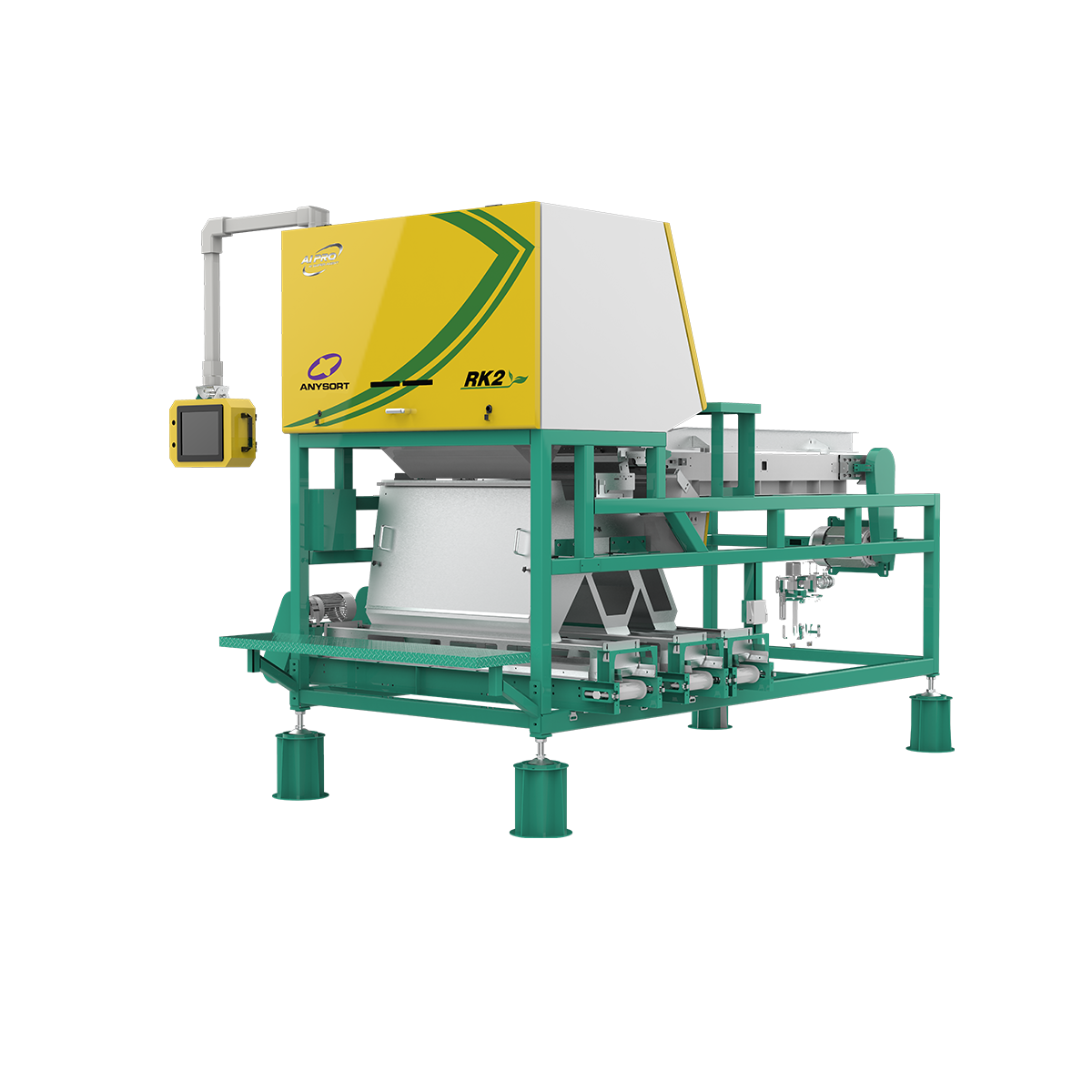
Optimal tea color sorter performance requires careful attention to both system design and operational conditions. When a tea color sorter is properly maintained and calibrated, it can achieve sorting accuracy rates exceeding 95%, delivering consistent quality improvements across production batches. This article explores the critical factors affecting tea color sorter accuracy, helping processors identify improvement opportunities and troubleshoot performance issues.
Optical Sensor Quality and Lighting Consistency
Sensor Specifications and Detection Capability
The foundation of any effective tea color sorter lies in its optical sensor technology. High-resolution camera sensors and spectral analysis systems form the core detection mechanism that distinguishes color variations in tea leaves. The quality of these sensors directly impacts how accurately a tea color sorter can differentiate between premium, standard, and rejected tea grades. Superior sensors capture finer color nuances, enabling the tea color sorter to make more precise sorting decisions across subtle color gradations that human inspectors might miss.
Sensor sensitivity settings within a tea color sorter must be calibrated to match the specific color range of the tea variety being processed. Different tea types—green tea, black tea, oolong tea, and white tea—reflect light differently, and each requires distinct sensor configuration parameters. When a tea color sorter's sensors are properly tuned to the target tea type, detection accuracy improves significantly, reducing both false rejects and grade misclassifications that can damage profit margins and customer satisfaction.
Lighting Environment and Illumination Standards
Consistent lighting is perhaps the most overlooked factor affecting tea color sorter performance. Ambient light variations, fluorescent flicker, and inconsistent LED illumination directly compromise the accuracy of optical analysis. A professional tea color sorter uses standardized LED lighting systems designed to eliminate spectral variations and ensure uniform illumination across the entire sorting surface. Without this consistency, the same tea leaf batch can produce different color readings at different times, leading to sorting inconsistencies.
The intensity and color temperature of light sources must remain stable throughout the processing day. Many tea color sorter manufacturers specify that illumination should be between 4,000 and 6,500 Kelvin to ensure neutral color rendering. Factory environments with windows or inconsistent overhead lighting often require installing light-blocking enclosures around the tea color sorter to maintain the controlled lighting environment necessary for reliable performance and repeatability.
Calibration Protocols and System Tuning
Reference Standard Calibration
Proper calibration is the primary determinant of consistent tea color sorter performance and accuracy over time. A tea color sorter must be calibrated using reference samples that represent the exact color standards expected for each grade within your product line. This calibration process teaches the tea color sorter's recognition system to identify the precise color boundaries between acceptable and rejected material. When calibration drifts or uses outdated reference samples, tea color sorter accuracy degrades significantly, often without operators immediately noticing the performance decline.
The frequency of calibration adjustments depends on production volume and environmental conditions. High-volume tea processors should recalibrate their tea color sorter at the start of each production day and between different tea batches, particularly when switching between tea types or quality grades. A well-maintained tea color sorter with regular calibration cycles will maintain accuracy levels within the manufacturer's specifications consistently throughout the operating season.
Color Space Adjustment and Threshold Settings
A tea color sorter analyzes colors within specific digital color spaces, commonly using RGB, HSV, or LAB color models depending on manufacturer design. The adjustment of threshold values—the precise color boundaries between sorting categories—directly impacts how strictly or loosely the tea color sorter performs its classification. Tighter thresholds create more precise but potentially more aggressive sorting, while broader thresholds increase throughput but may compromise quality consistency.
Finding the optimal threshold balance for your specific market positioning requires testing and refinement. A premium-grade tea color sorter operation typically uses tighter thresholds to achieve higher grade consistency, while mainstream-grade operations may use broader settings to maximize processed throughput. The tea color sorter's software should allow operators to adjust these parameters easily, with each setting documented to enable quick replication and performance benchmarking across production shifts.
Feed Material Characteristics and Environmental Factors
Input Material Moisture and Leaf Condition
The moisture content and physical condition of tea leaves entering the tea color sorter significantly influence sorting accuracy. Leaves with inconsistent moisture levels display variable color intensity that can confuse optical detection systems. A tea color sorter performs most accurately when input material has been properly dried and stabilized to the target moisture content, typically between 2 and 5 percent for most tea varieties. Higher moisture levels cause leaves to appear darker and may trigger false rejections, while over-dried leaves appear lighter and might bypass necessary quality rejects.
Broken or fragmented leaf pieces moving through the tea color sorter can also distort color analysis results. The surface area and reflectance characteristics of broken leaves differ significantly from whole leaves, potentially causing the tea color sorter to misclassify otherwise acceptable material. Pre-sorting screens or gentle handling systems installed upstream of the tea color sorter can reduce fragmentation and improve overall accuracy metrics significantly.
Temperature and Humidity Variations
Environmental conditions in the tea processing facility directly affect tea color sorter performance and accuracy. Temperature fluctuations cause the optical components within the tea color sorter to expand and contract slightly, affecting sensor alignment and lighting consistency. Similarly, humidity variations can cause surface condensation on optical windows, reducing sensor visibility and compromising color detection capability.
Maintaining the tea color sorter in a climate-controlled environment between 15 and 25 degrees Celsius with relative humidity between 40 and 60 percent ensures optimal performance. When climate control is unavailable, regular cleaning of optical surfaces on the tea color sorter and periodic recalibration become even more critical. Seasonal variations in factory conditions often necessitate re-tuning the tea color sorter parameters between summer and winter operating periods.
FAQ
How often should a tea color sorter be recalibrated?
Most tea processors should recalibrate their tea color sorter at the beginning of each production day, before processing new tea batches, and when environmental conditions change significantly. High-volume operations often benefit from intermediate calibration checks every four to six hours of continuous operation. Manufacturers typically recommend specific calibration intervals in their equipment documentation based on the tea color sorter model and expected usage patterns.
Can a tea color sorter improve sorting accuracy compared to manual inspection?
Yes, a properly configured tea color sorter typically achieves 95 to 99 percent sorting accuracy, significantly outperforming manual human inspection which averages 85 to 90 percent accuracy. Additionally, a tea color sorter provides consistent performance throughout the entire production day without fatigue-related accuracy decline. The tea color sorter also processes material at speeds impossible for manual inspection, enabling higher throughput while maintaining or improving quality standards.
What should be done if a tea color sorter shows declining accuracy?
Declining accuracy in a tea color sorter typically indicates one or more factors need adjustment. First, clean all optical surfaces and windows on the tea color sorter to remove dust or residue affecting sensor performance. Next, recalibrate using fresh reference standards matching your current product specifications. Check that environmental conditions remain within acceptable ranges and verify that input material moisture levels are consistent. If performance does not improve, contact the equipment manufacturer for sensor diagnostics or professional recalibration services.