
 EN
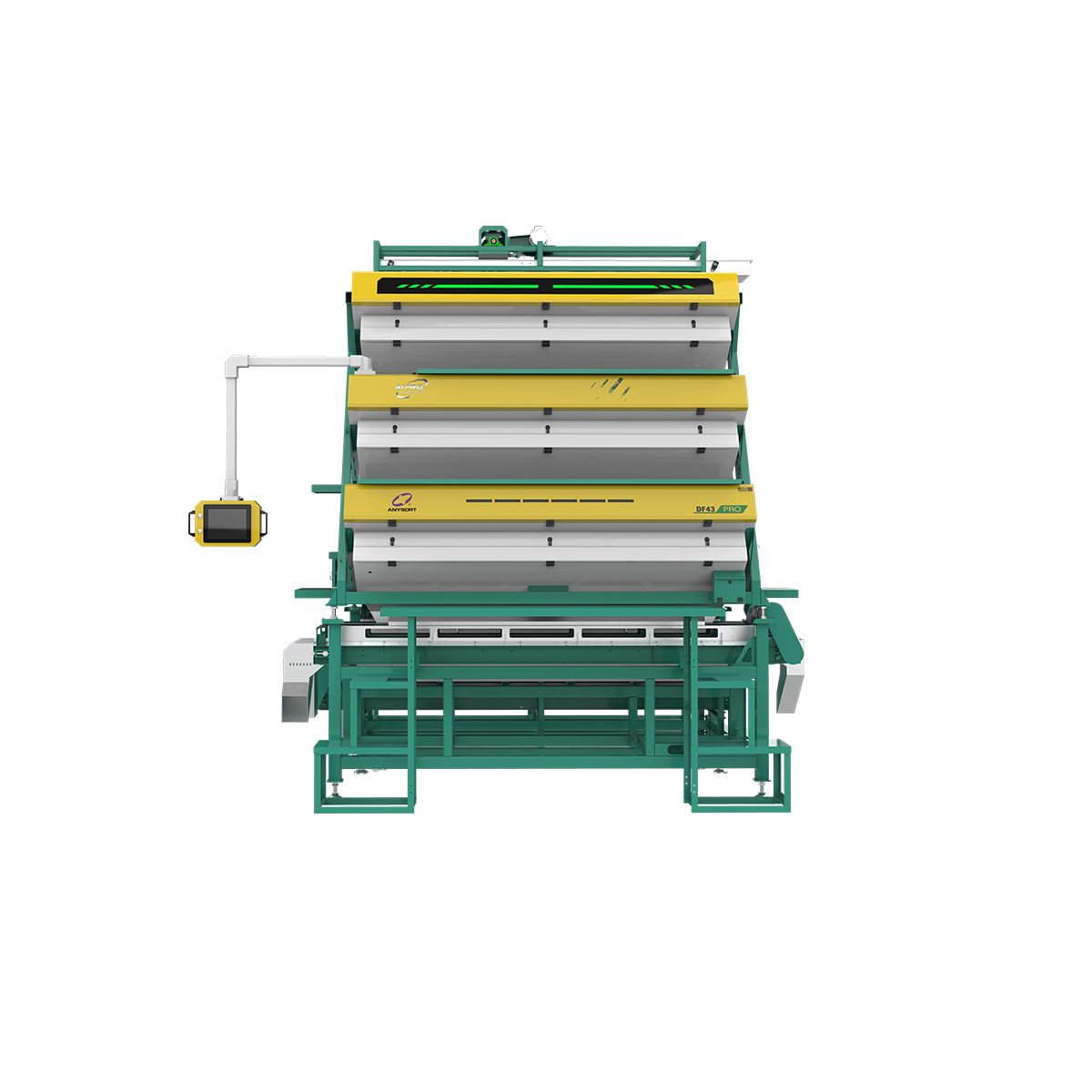
Tea refining plants face persistent challenges in delivering consistently pure and high-quality products to demanding markets. Modern consumers and commercial buyers expect tea leaves free from contaminants, debris, and inferior-grade material. This expectation drives tea manufacturers to invest in advanced processing equipment designed specifically to enhance product standards. A tea sorting machine stands at the center of this quality revolution, providing the precision separation technology that transforms raw leaf into premium tea. Understanding how these machines function and their impact on final product quality is essential for producers seeking competitive advantage in today's market.
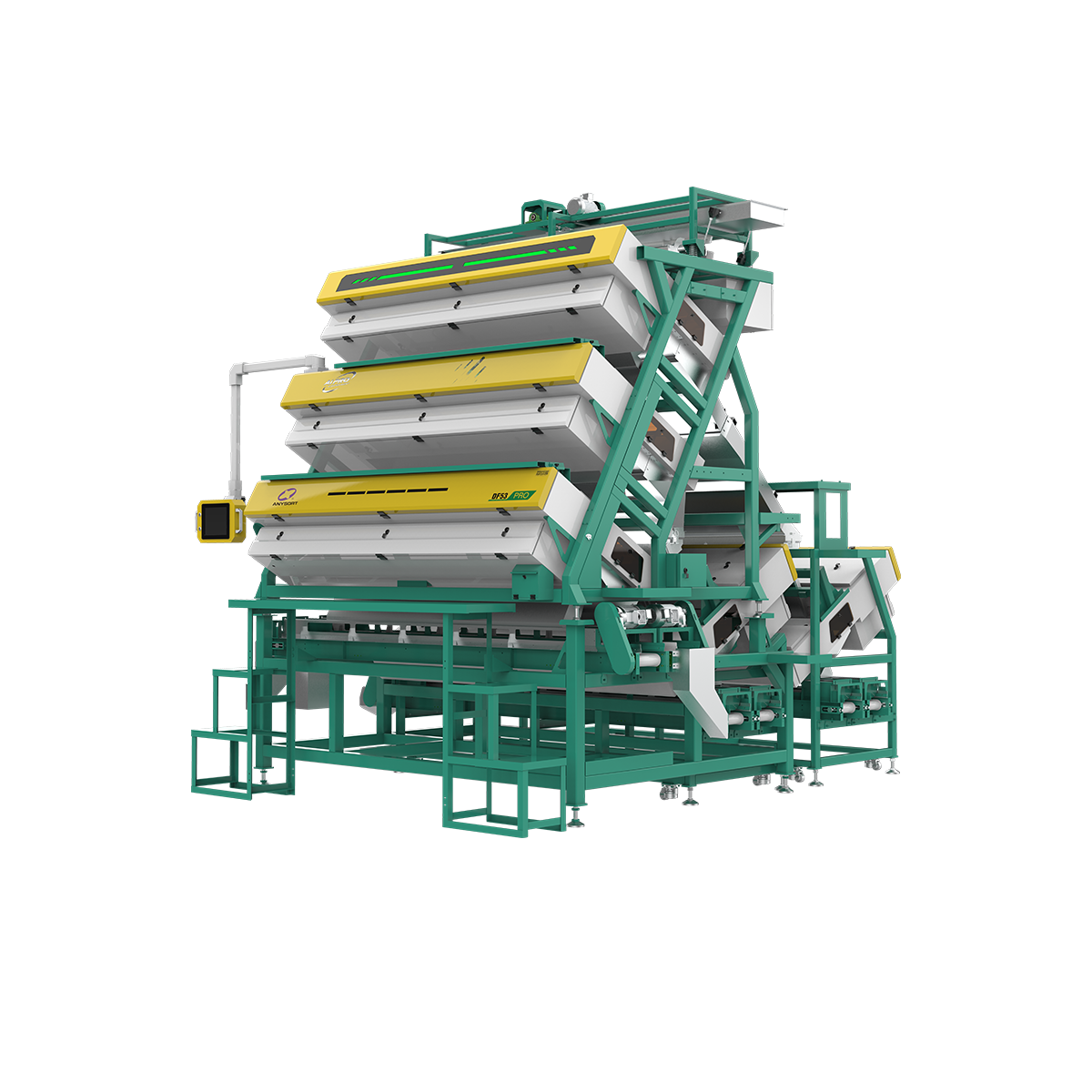
The integration of a tea sorting machine into refining operations represents a strategic shift toward automation and data-driven quality control. Traditional manual sorting methods introduce variability, human error, and significant labor costs. By contrast, modern tea sorting machine technology delivers consistent, repeatable results across production batches. This consistency directly translates into higher purity levels, better flavor profiles, and increased customer satisfaction. Plants that deploy these systems report measurable improvements in product yield, reduced waste, and enhanced market positioning.
How Tea Sorting Machine Technology Enhances Purity Standards
Optical Recognition and Contaminant Detection
A sophisticated tea sorting machine uses advanced optical sensors and artificial intelligence to identify contaminants invisible to the human eye. These systems scan each tea leaf individually, detecting discoloration, foreign particles, broken leaves, and material that falls below quality thresholds. The tea sorting machine processes thousands of leaves per minute, creating a uniform output stream that meets or exceeds industry purity standards. This precision eliminates the guesswork inherent in manual sorting and reduces the likelihood of substandard material reaching customers. Industrial tea refining plants leveraging tea sorting machine capabilities report contamination rates below 0.5%, a dramatic improvement over traditional methods.
Multi-Stage Separation Process
Modern tea sorting machine systems employ multi-stage separation logic to progressively refine material quality. The first stage removes large debris and foreign objects through density-based separation. Subsequent stages use optical scanning combined with ejection mechanisms to remove discolored leaves, broken particles, and lightweight contaminants. A tea sorting machine's layered approach ensures that only premium-grade material advances through the production pipeline. This systematic refinement process reduces rework cycles and minimizes the need for secondary sorting interventions. Plants that implement comprehensive multi-stage tea sorting machine protocols achieve superior consistency compared to single-pass alternatives.
Quality Metrics and Performance Improvements
Measurable Purity Gains in Production Output
Tea sorting machine deployment directly correlates with measurable improvements in product purity metrics. Industry data demonstrates that facilities integrating automated tea sorting machine technology achieve 15–25% increases in first-grade leaf recovery. The tea sorting machine's ability to remove micro-contaminants, discolored material, and broken leaves elevates the percentage of premium-grade output within each batch. This improvement translates into higher-value finished products and stronger market pricing. Additionally, tea sorting machine systems reduce waste material by 8–12% compared to manual processes, improving overall operational efficiency and profitability.
Flavor Profile and Consumer Perception
A tea sorting machine's contribution to quality extends beyond physical purity into sensory attributes that consumers directly perceive. By removing foreign material and low-quality leaves that impart off-flavors, the tea sorting machine preserves the intended flavor profile of each tea variety. The consistency delivered by a tea sorting machine creates a memorable, repeatable product experience that builds brand loyalty. Customer feedback consistently indicates that tea refined using advanced tea sorting machine technology tastes fresher, cleaner, and more vibrant than traditionally processed alternatives. This sensory advantage justifies premium positioning and supports higher market prices for refined product.
Integration and Operational Considerations
Automation Benefits and Workflow Optimization
Incorporating a tea sorting machine into existing refining plant infrastructure requires careful workflow design and staff training. Modern tea sorting machine systems integrate seamlessly with pneumatic transport, drying, and packaging systems to create continuous production flows. The tea sorting machine eliminates labor-intensive manual sorting tasks, freeing staff for quality control, maintenance, and process oversight. This workforce reallocation reduces operational costs while improving overall plant efficiency. Many facilities report 30–40% labor cost reductions after implementing tea sorting machine automation, with payback periods of 18–24 months depending on plant size and product mix.
Maintenance and Long-Term Value
A tea sorting machine requires routine maintenance and calibration to maintain peak performance across extended production runs. Regular cleaning of optical sensors, replacement of wear components, and software updates ensure consistent accuracy. Modern tea sorting machine systems feature diagnostics that flag maintenance needs before equipment failure occurs. This predictive maintenance approach minimizes downtime and extends equipment lifespan. Tea sorting machine operators benefit from intuitive user interfaces and cloud-based monitoring that enables remote diagnostics and performance tracking. Plants that establish disciplined maintenance protocols consistently achieve 10+ year operational lifespans from quality tea sorting machine investments.
FAQ
What makes a tea sorting machine different from manual sorting methods?
A tea sorting machine delivers consistent, automated quality control that human sorters cannot match in speed or accuracy. While manual sorting introduces variability based on operator fatigue and subjective judgment, a tea sorting machine applies objective optical criteria to every leaf processed. The tea sorting machine works 24/7 without quality degradation, processes material at speeds 50–100 times faster than manual methods, and reduces contamination rates to near-zero levels. This consistency creates repeatable quality that supports premium pricing and customer loyalty.
How does a tea sorting machine technology improve plant profitability?
A tea sorting machine increases profitability through multiple channels: higher first-grade yield percentages, reduced labor costs, minimized waste material, and premium market pricing for superior product. By removing contaminants and low-quality material automatically, the tea sorting machine increases the percentage of output that commands premium prices. The automation reduces per-unit processing costs while the consistent quality supports higher wholesale prices. Most facilities report 25–40% profitability improvements within 2–3 years of deploying tea sorting machine systems.
What should plants consider when selecting a tea sorting machine system?
When evaluating tea sorting machine options, prioritize processing capacity, optical sensor sensitivity, sortable leaf size range, and integration compatibility with existing equipment. Consider the tea sorting machine's ability to handle your specific tea varieties, color ranges, and contamination profiles. Evaluate support quality, availability of replacement parts, and software update frequency. Request performance data from existing tea sorting machine installations in similar production environments. A well-selected tea sorting machine system should deliver measurable ROI within 2–3 years while improving product quality immediately.