
 EN
EN
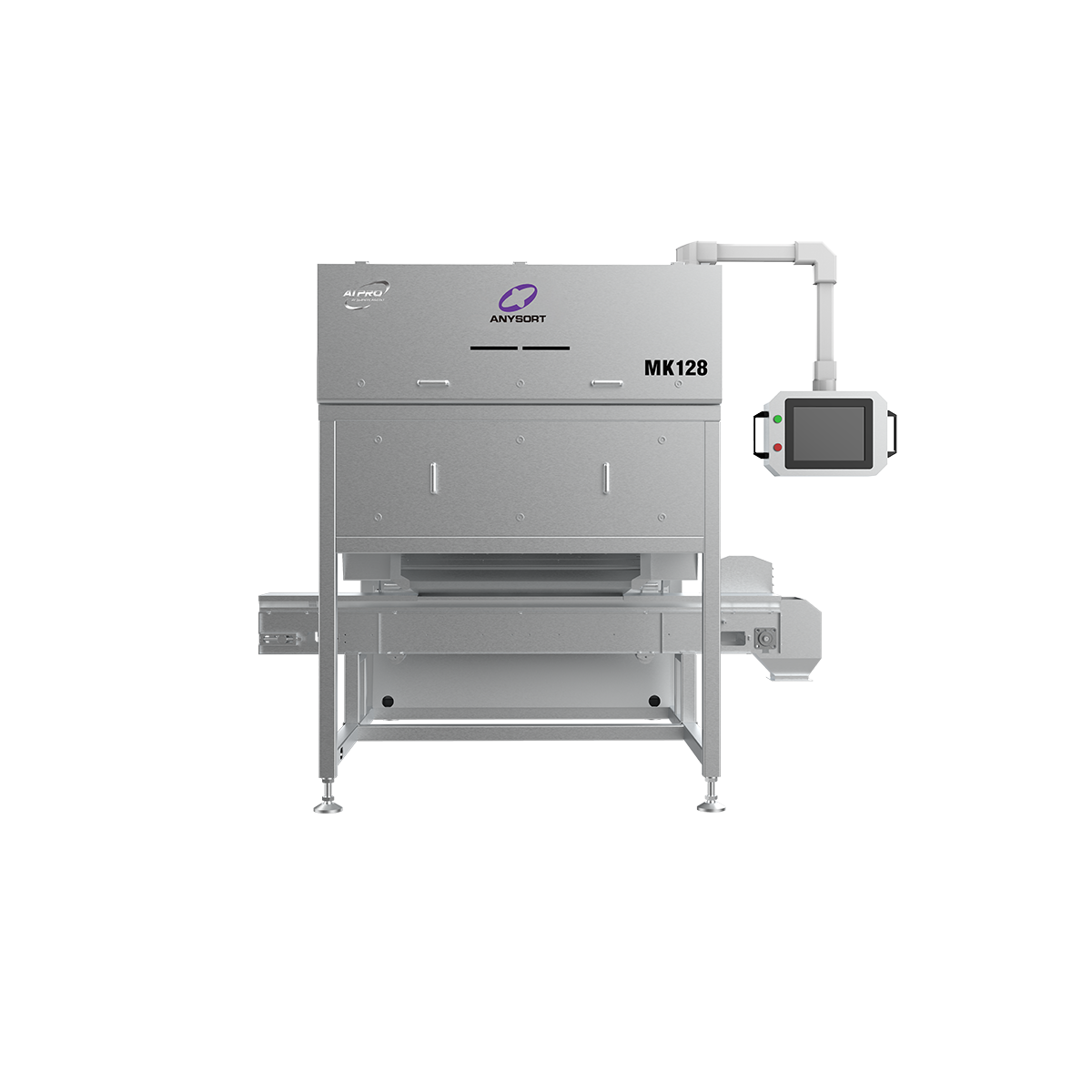
The global nuts processing industry relies on precision and consistency to meet strict quality standards and regulatory requirements. A nuts sorter has become indispensable for processors seeking to eliminate defects, contaminants, and substandard products before they reach consumers. Understanding how a nuts sorter technology ensures quality reveals the sophisticated engineering and artificial intelligence that modernize food safety and product integrity across the industry.
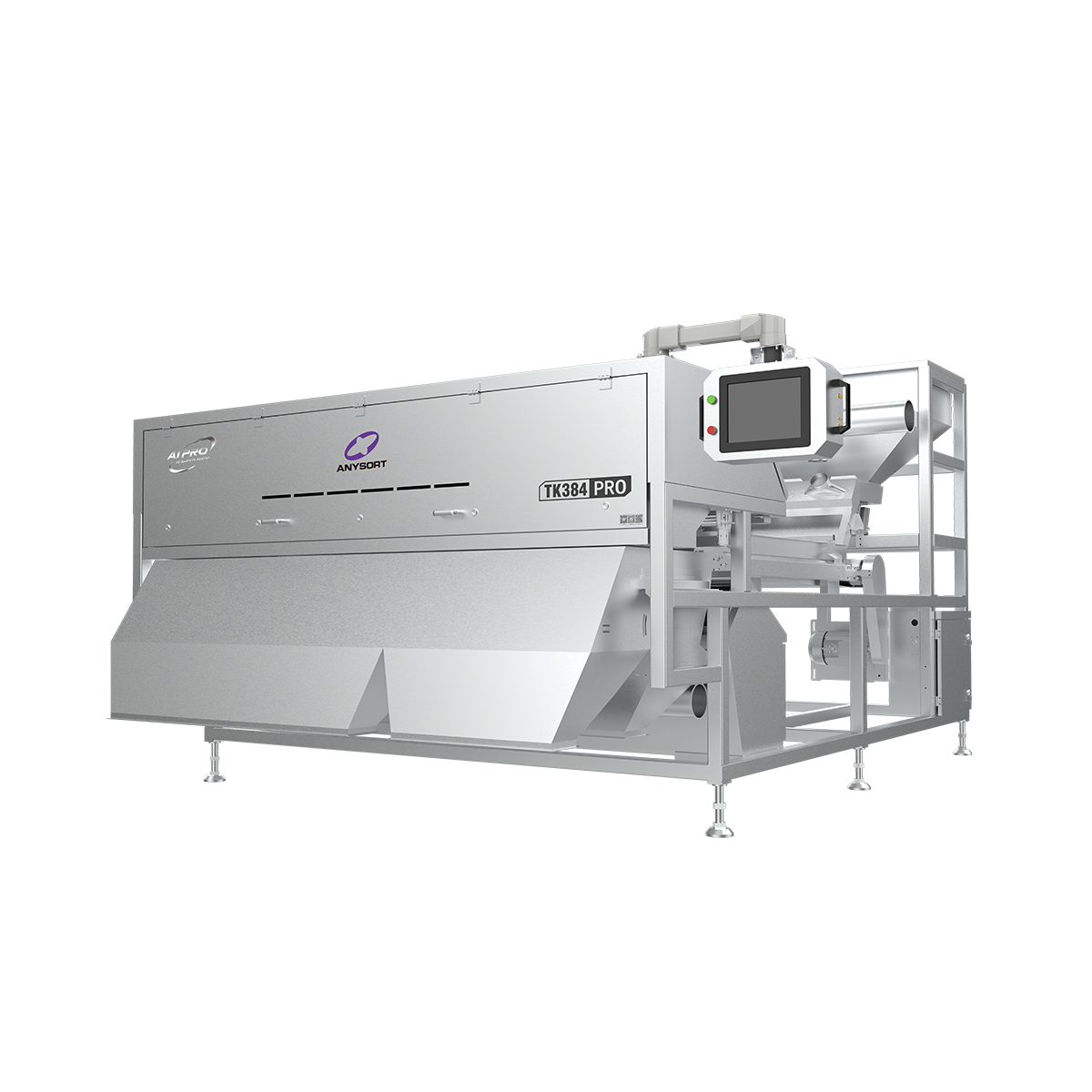
Quality assurance in nuts processing demands more than manual inspection or simple density-based screening. Modern nuts sorter systems integrate optical sensors, machine learning algorithms, and real-time data processing to identify and remove defects that human inspectors would miss. These systems operate continuously without fatigue, maintaining consistent performance across high-volume production runs. The result is a dramatic reduction in contaminated products reaching customers, protecting brand reputation and ensuring regulatory compliance.
Advanced Optical Detection in Nuts Sorter Systems
Multi-Spectrum Sensor Technology
A nuts sorter relies on sophisticated optical sensors that detect visual anomalies invisible to the human eye. These sensors operate across multiple wavelengths, from visible light to near-infrared, capturing detailed information about each nut's surface characteristics, color, shape, and internal density. The nuts sorter analyzes reflectance patterns and transmittance data to distinguish between premium-grade nuts and those with discoloration, mold, shell damage, or internal defects. This multi-spectrum approach enables early detection of fungal contamination and aflatoxin risks before they escalate into safety concerns.
Real-Time Defect Identification
When nuts pass through a nuts sorter, the system captures hundreds of images per second from multiple angles. Artificial intelligence algorithms trained on thousands of quality reference samples instantly classify each nut as acceptable or reject. The nuts sorter processes this data faster than mechanical sorting alone, identifying foreign materials such as stones, shells, skin fragments, and debris that could damage equipment downstream or harm consumers. Real-time sorting ensures that only premium nuts continue through the production line, while rejected items are diverted for secondary processing or disposal.
Contaminant Removal and Safety Enhancement
Foreign Material Detection
Contamination poses serious risks in nuts processing, from allergen cross-contamination to physical hazards. A nuts sorter automatically detects and removes foreign objects that pose safety risks or quality degradation. The system identifies stones, metal fragments, glass, and other debris with precision that exceeds manual sorting capabilities. Because a nuts sorter operates with consistent speed and sensitivity, it eliminates blind spots created by operator fatigue or attention lapse. This continuous vigilance significantly reduces the likelihood of contaminated products reaching retail shelves.
Mycotoxin and Spoilage Detection
Fungi and mold growth represent one of the most serious threats to nuts quality and food safety. A nuts sorter equipped with advanced spectral imaging can detect early-stage fungal colonization before visible symptoms appear. The system identifies mold-infected nuts through subtle changes in surface reflectance and color that indicate mycotoxin risk. By removing these nuts during initial processing, a nuts sorter prevents mycotoxin accumulation in subsequent batches and protects consumers from harmful toxins. This preventive capability is critical for processors exporting to markets with stringent aflatoxin regulations.
Process Optimization and Consistency Metrics
Data-Driven Quality Management
Modern nuts sorter systems generate detailed quality reports that track rejection rates, defect types, and batch-level performance metrics. Processors use this data to identify quality trends, optimize harvest timing, and adjust storage conditions to maximize product yield. A nuts sorter provides traceability information linking every reject to specific production runs, enabling rapid response if quality issues emerge. This data foundation transforms quality control from reactive problem-solving into proactive process optimization, reducing waste and improving overall equipment effectiveness.
Throughput and Sorting Accuracy Balance
A nuts sorter achieves exceptional sorting accuracy while maintaining production speeds necessary for commercial viability. Advanced machine learning models continuously improve sorting performance as they process more samples, learning new defect patterns and environmental variations. The nuts sorter maintains calibration automatically, adjusting detection sensitivity based on seasonal variations in nut appearance or growing conditions. This combination of speed and precision makes a nuts sorter suitable for both small specialty processors and large-scale commodity operations. Operators can fine-tune sensitivity thresholds to match specific customer requirements or market grade specifications.
Integration and Scalability Considerations
Workflow Integration and Automation
Installing a nuts sorter into existing processing lines requires careful consideration of material flow, timing, and downstream equipment compatibility. Modern nuts sorter systems connect seamlessly to conveyor infrastructure and can feed directly into packaging, secondary sorting, or further processing equipment. The nuts sorter communicates with facility management systems via cloud connectivity, enabling remote monitoring and predictive maintenance alerts. This integration capability ensures that a nuts sorter enhances overall line efficiency rather than creating bottlenecks or requiring significant facility redesign.
Scalability Across Production Volumes
A nuts sorter scales effectively from small-batch operations to high-volume industrial processing. Modular designs allow processors to add capacity incrementally as business grows without replacing entire systems. The nuts sorter maintains consistent quality standards regardless of production volume, making it equally valuable for artisanal nut producers seeking premium positioning and large commodity processors managing thousands of tons annually. Investment in scalable nuts sorter technology protects long-term competitiveness as market demands and production capacity evolve.
FAQ
How does a nuts sorter reduce false rejections?
Modern nuts sorter systems use machine learning algorithms trained on thousands of reference samples to distinguish genuine defects from natural variations in nut appearance. The nuts sorter adjusts detection sensitivity based on nut variety, harvest timing, and customer specifications, minimizing unnecessary rejections while maintaining safety standards. Continuous algorithm refinement ensures that a nuts sorter learns from false rejection feedback, improving accuracy over time.
Can a nuts sorter detect internal defects?
Yes, a nuts sorter equipped with transmittance imaging can detect internal defects such as splits, hollows, and rancid kernels that are invisible to surface inspection. By analyzing light transmission through each nut, the nuts sorter identifies density variations indicating internal damage. This capability is particularly valuable for premium-grade nuts where external appearance alone does not guarantee internal quality.
What maintenance requirements does a nuts sorter need?
A nuts sorter requires regular cleaning of optical sensors to maintain detection accuracy, periodic calibration against reference samples, and scheduled maintenance of mechanical components and conveyors. Modern nuts sorter systems include predictive maintenance capabilities that alert operators to declining performance before equipment failure occurs. Proper maintenance ensures that a nuts sorter maintains consistent quality performance and maximizes return on investment over its operational lifetime.