
 EN
EN
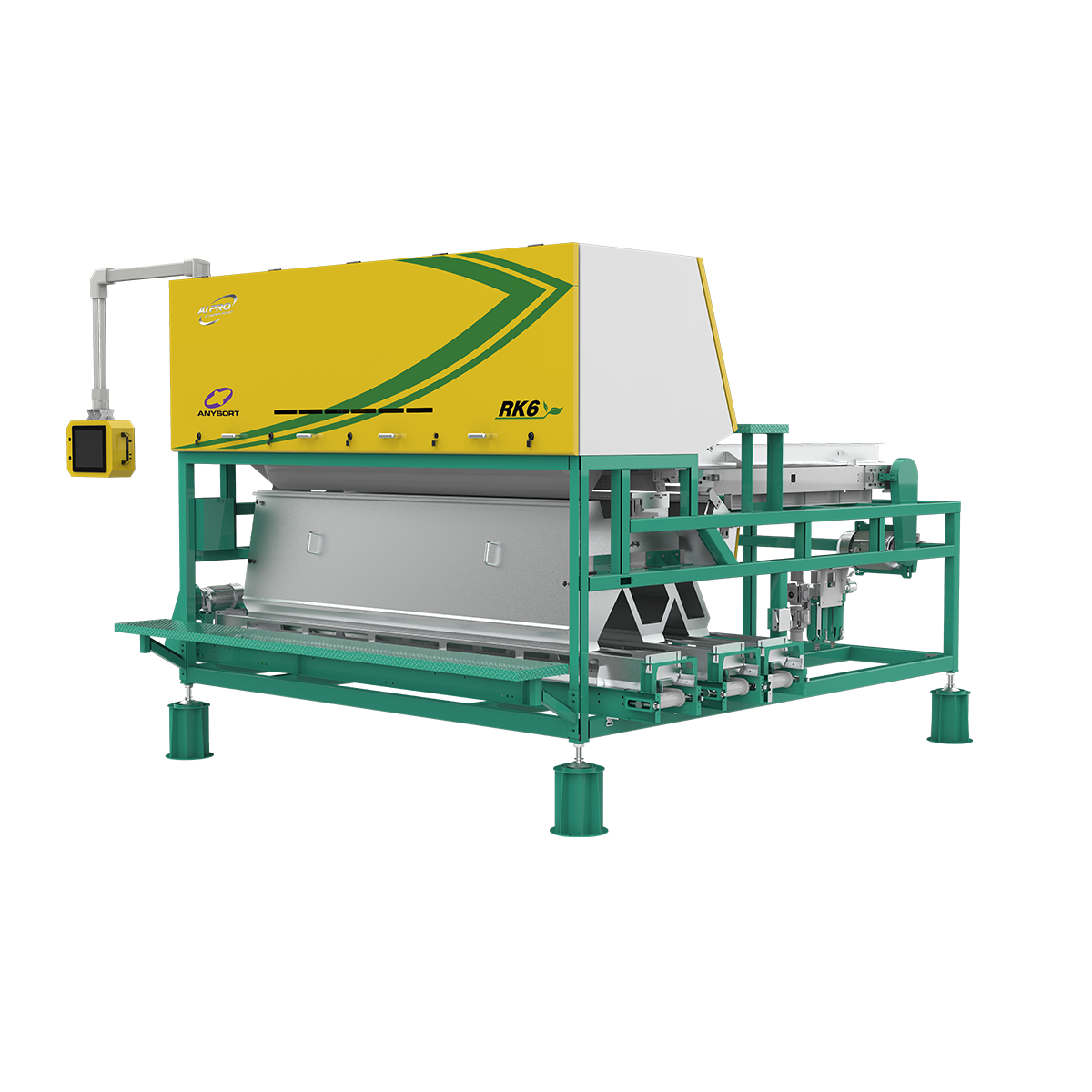
Premium tea factories operate under intense pressure to maintain consistent quality across every batch. The decision to invest in a tea color sorter represents one of the most critical purchasing decisions in the production workflow. A premium tea color sorter directly influences product grading, market value, customer satisfaction, and production efficiency. Without proper sorting technology, even superior raw materials can result in inconsistent final products that fail to meet buyer expectations or premium market positioning.
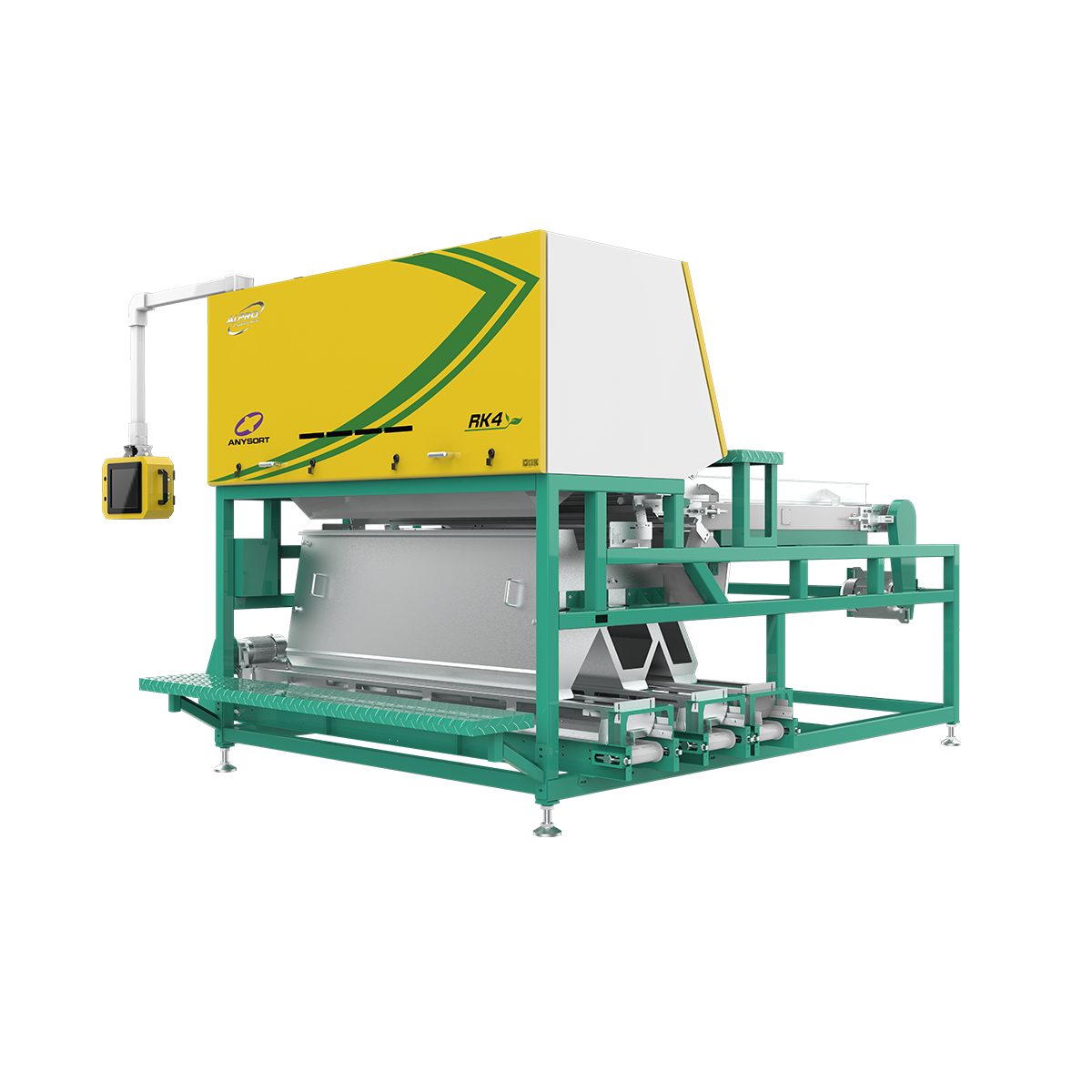
Selecting the appropriate tea color sorter requires understanding the specific demands of premium tea production and the technological capabilities that align with those demands. Premium tea factories must evaluate multiple dimensions including sorting accuracy, throughput capacity, color detection precision, and integration with existing production systems. The choice of tea color sorter ultimately determines whether a factory can reliably deliver the visual consistency and quality standards that premium buyers demand in the competitive global market.
Understanding Core Technical Requirements
Color Detection Accuracy and Spectral Analysis
The foundation of any tea color sorter lies in its color detection capability. Premium tea operations require a tea color sorter that can distinguish between subtle color variations that human sorters might miss. Advanced color sorters use multi-spectral imaging and artificial intelligence algorithms to analyze tea leaves across multiple wavelengths, identifying not just obvious discoloration but also oxidation levels, freshness indicators, and quality markers that define premium grades.
A high-performance tea color sorter must deliver pixel-level precision in image capture and process thousands of tea leaves per minute without degrading accuracy. Premium factories prioritize systems that can detect micro-defects, stem discoloration, and incomplete oxidation patterns that directly affect market classification. When evaluating a tea color sorter, factory managers should confirm the spectral resolution, refresh rate of imaging sensors, and the training depth of the AI model that powers defect identification.
Throughput Capacity and Production Matching
Factory production capacity must align perfectly with tea color sorter specifications. A tea color sorter designed for modest volumes cannot serve a high-capacity premium facility, creating bottlenecks that force manual sorting or compromise quality standards. Premium tea factories typically process hundreds of kilograms daily, requiring a tea color sorter capable of handling 500 to 2000 kilograms per hour depending on leaf size and sorting complexity.
Beyond raw throughput numbers, the tea color sorter must maintain sorting accuracy at full capacity. Some systems degrade in precision when operating at peak speeds, introducing false rejections or failing to catch subtle defects. Factory engineers should test the tea color sorter under realistic production conditions, including varying humidity levels, leaf moisture content, and seasonal material variations that naturally occur throughout the tea harvest calendar.
Evaluating System Integration and Operational Factors
Integration with Existing Production Lines
Most premium tea factories operate with established production workflows involving drying, rolling, initial sorting, and packaging stages. A new tea color sorter must integrate seamlessly into this existing infrastructure without requiring expensive facility modifications or production interruptions. Effective tea color sorter selection means analyzing input and output compatibility, elevation adjustments, and whether the system can receive material from current conveyor systems at appropriate feed rates.
The tea color sorter should feature standardized interfaces, compatible software platforms, and modular design that allows installation with minimal downtime. Premium factories increasingly prefer tea color sorter systems that connect to centralized quality management systems, enabling real-time data logging, performance tracking, and historical trend analysis. When evaluating integration feasibility, factory decision-makers should request onsite demonstrations and consult with current users operating similar production scales.
User Interface and Operational Training
A sophisticated tea color sorter means little without intuitive operator controls and efficient maintenance protocols. Premium factories need a tea color sorter with straightforward parameter adjustment, clear visual feedback systems, and diagnostic capabilities that alert staff to calibration drift or sensor performance issues. Operators should quickly understand how to adjust sorting thresholds, switch between different tea varieties, and interpret quality reports without extensive technical training.
The vendor's training program directly impacts the tea color sorter's success in daily operations. Premium factories should evaluate whether training covers equipment operation, basic troubleshooting, calibration procedures, and data interpretation. An underutilized tea color sorter represents wasted capital investment, so training depth and ongoing technical support must factor heavily into the selection process. Facilities benefit from vendors who provide clear documentation, video tutorials, and accessible technical support channels.
Cost Considerations and Return on Investment Analysis
Capital Investment and Budget Alignment
Premium tea color sorter systems represent significant capital expenditures ranging from moderate to substantial amounts depending on capacity and feature sophistication. Factory financial planning must account for the total installed cost, including equipment purchase, installation, calibration, operator training, and any facility modifications required to accommodate the tea color sorter. Beyond initial capital, operating budgets should include maintenance contracts, calibration services, replacement components, and eventual system upgrades.
Premium factories should evaluate multiple tea color sorter options across comparable performance tiers rather than defaulting to the lowest-cost option. A moderately priced tea color sorter with superior accuracy and reliability often delivers better financial outcomes than a budget alternative requiring frequent recalibration or generating excessive false rejections. Financial analysis should project the cost per kilogram of sorted tea over a five to ten year operational horizon, factoring in labor savings from reduced manual sorting and quality improvements from fewer defective products reaching market.
Productivity Gains and Quality Premium Revenue
The primary financial benefit of investing in a tea color sorter emerges from consistent quality output that commands premium market pricing. Premium tea buyers reward factories with higher prices and long-term contracts when they demonstrate reliable grade consistency. A dependable tea color sorter generates documented proof of consistent sorting standards, enabling factories to negotiate better prices and establish preferred supplier relationships with demanding buyers.
Labor cost reduction also contributes significantly to return on investment calculations. A tea color sorter eliminates or dramatically reduces the need for manual visual sorting staff, reallocating those resources to other production functions. Premium factories typically recover the tea color sorter investment within two to four years through combined savings in labor, reduced waste from better sorting accuracy, and increased revenue from higher market prices earned through proven quality consistency.
FAQ
What makes a tea color sorter suitable for premium grade teas?
A tea color sorter designed for premium grades must deliver exceptional color discrimination accuracy, capable of distinguishing subtle variations that define quality tiers. Premium tea color sorter systems incorporate advanced multi-spectral imaging, AI-powered defect recognition, and high-speed processing that maintains accuracy across full throughput. The tea color sorter should produce consistent results across different tea varieties, seasonal variations, and oxidation levels while maintaining minimal false rejection rates that would waste valuable premium material.
How should factories test a tea color sorter before purchasing?
Premium factories should request extended demonstration periods where a tea color sorter operates on actual production material under realistic conditions. Testing should include various tea grades, different leaf sizes, and samples collected across multiple harvest seasons to ensure the tea color sorter performs consistently across real-world variations. Factories should compare sorted output against internal quality standards, measure actual throughput rates, and evaluate how easily operators can adjust parameters and interpret results during the trial period.
What ongoing support do premium factories need for their tea color sorter investment?
Successful tea color sorter operation requires vendor partnerships providing regular calibration services, sensor maintenance, software updates, and responsive technical support. Premium factories benefit from tea color sorter vendors offering performance monitoring reports, predictive maintenance alerts, and guidance on optimizing sorting parameters as material characteristics shift seasonally. Establishing clear service level agreements ensures that any tea color sorter downtime receives prompt attention and that the factory maintains consistent quality standards without interruption.